
REVIEW · HOT SPRING HIKING TOURS
Pokhara: 5-Day Trek to Annapurna Base Camp and Hot Springs
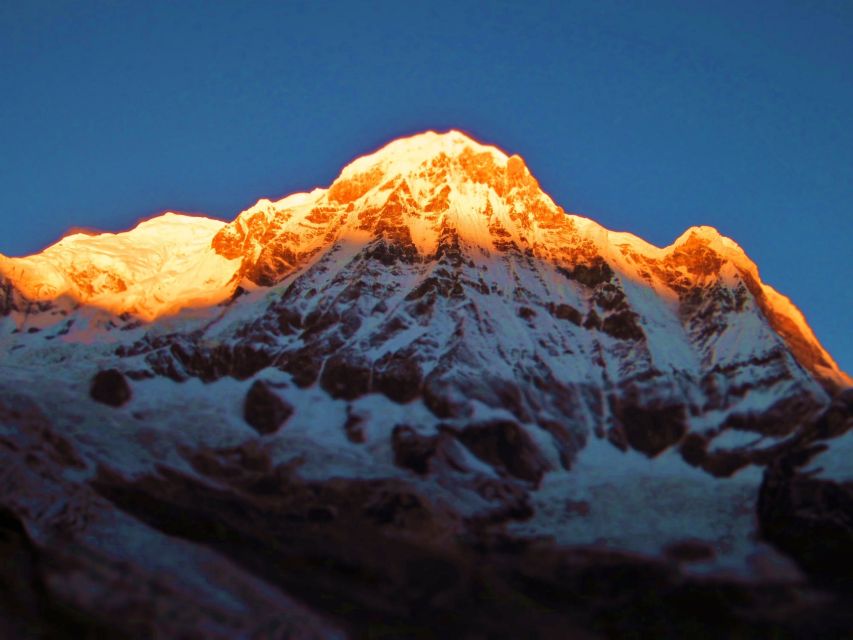
The best part of this trek is the quick change from Pokhara’s lakeside streets to the high Annapurna Sanctuary. In five days you pass river valleys, villages, forest, streams, glaciers, and some of Nepal’s most famous peaks, finishing with a hot-spring soak at Jhinu.
I like the direct route to Annapurna Base Camp and the practical setup: permits, hotel pickup, shared jeeps, a registered guide, and tourist-standard lodge rooms are covered. I also like that the final day includes Jhinu hot springs, not just a hard walk back to town.
The catch is the pace. Reaching 4,120 meters and then dropping to Sinuwa in one long day demands good fitness, and the advertised material contains conflicting references to five and seven days. The detailed day-by-day plan is clearly a five-day itinerary, so confirm this point before paying.
Key points to know before you book
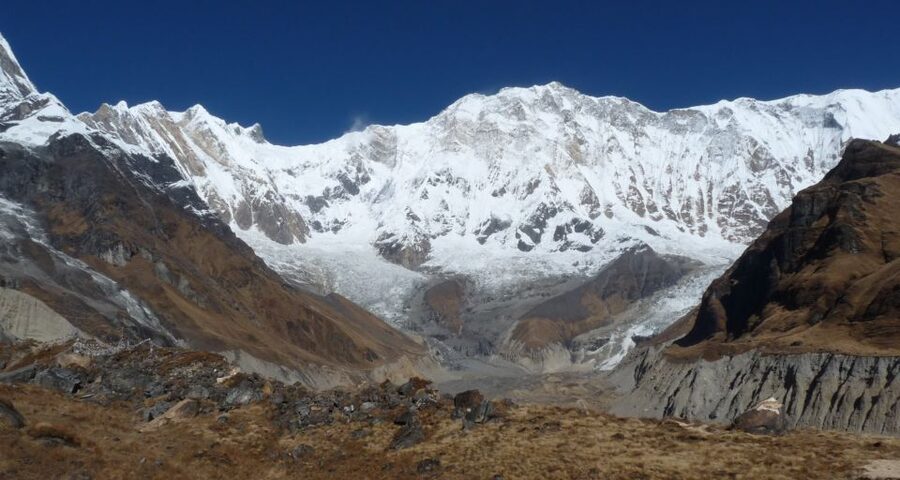
- Annapurna Base Camp at 4,120 meters: You reach the famous sanctuary on day three and sleep there.
- A serious descent on day four: The walk from base camp to Sinuwa takes seven to eight hours and can be tough on your knees.
- Jhinu hot springs finish: The final day combines a downhill trek, jeep transfer, and a well-earned bath.
- Shared jeep transport: Road transfers connect Lakeside Pokhara with the trail, keeping the package practical and affordable.
- Guide quality matters here: Past trips have used guides such as Amir and Tanka, with Tanka noted for adjusting the pace and watching health closely.
- Meals and porters depend on your package: The budget option does not include them, so check the exact choice before booking.
Why this five-day route works
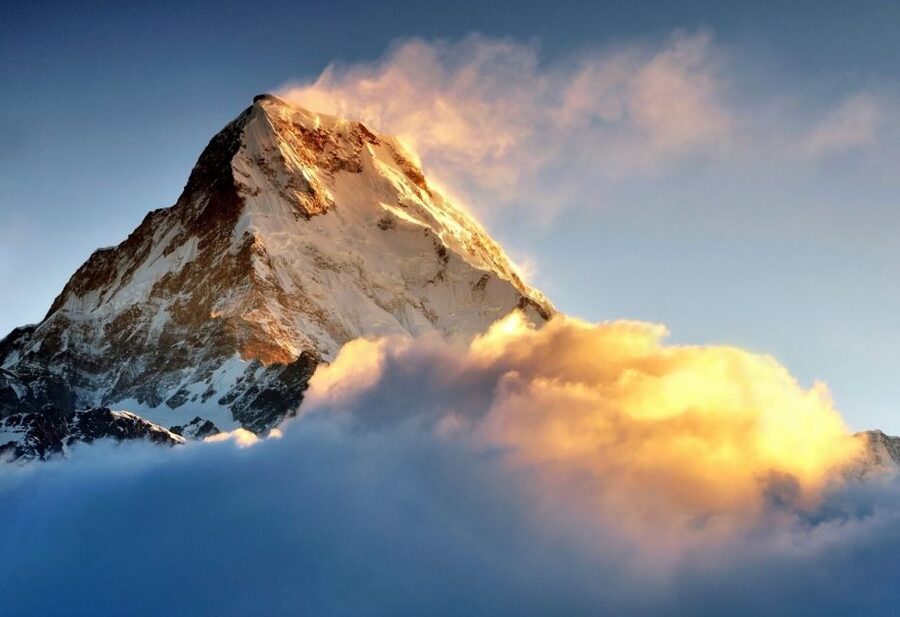
The Annapurna Base Camp trek is popular for a good reason. It gives you a compact sample of Nepal’s mountain country without requiring the longer schedule used by many trekking routes. You begin near Pokhara, follow the Modi Khola River, enter the Annapurna Sanctuary, reach base camp, then return by a different rhythm through Sinuwa and Jhinu.
This is not a gentle sightseeing walk. The itinerary includes long uphill sections, uneven trails, stone steps, stream crossings, and a high overnight stay. You need comfortable walking shoes, hiking shoes, sunscreen, a daypack, and enough spare clothing for changing weather.
At $206 per person, the price is attractive for a guided Himalayan trek. It includes hotel pickup and drop-off in Lakeside Pokhara or at the airport, shared jeep transport to and from the roadhead, accommodation, conservation and TIMS permits, a registered guide, guide pay, guide lodging, taxes, and service charges. That removes several tasks that can be awkward to arrange separately.
The value changes if you choose the budget option. Meals, porter service, drinks, and personal costs can add up. You should also set money aside for showers, laundry, phone calls, battery charging, water, and bar bills. Travel and rescue insurance is not included, and for a high-altitude trek it is a sensible purchase.
More Hot Spring Hikes in the world:
- Bali: Mount Batur Sunrise Guided Hike and Natural Hot Spring
★ 4.8 · 9,284 reviews - Mount Batur Sunrise Hike and Natural Hot Spring Option
★ 5.0 · 1,927 reviews - Private Tour Mount Batur Sunrise Trekking and Natural Hot Spring
★ 5.0 · 431 reviews
Day one: Lakeside Pokhara to Sinuwa
Your guide collects you from your hotel lobby or the entrance to your apartment. Be ready five to ten minutes before pickup, since the route starts with about three hours by shared jeep.
The stated route is from Lakeside Pokhara to Samrung and then Sinuwa. Earlier descriptions also refer to Nayapul and Jhinu as route points, so the exact road transfer may depend on current trail and road conditions. The practical point is that the jeep takes you to the last usable road section, reducing the amount of walking on lower roads.
From Samrung, you trek for about four hours toward Sinuwa, at roughly 2,200 meters. The trail follows the Modi Khola River and passes small villages, giving you an early look at daily life in the valley. You may cross the river and pass through Jhinu Danda, though the detailed five-day schedule places the main hot-spring visit on the final day.
Your first night is in a tourist-standard lodge. Expect a simple tea-lodge setting rather than hotel comforts. The attraction is location and atmosphere: you are staying close to the trail, surrounded by mountain villages, and beginning the trek without a long approach from Pokhara.
Day two: Upper Sinuwa to Deurali
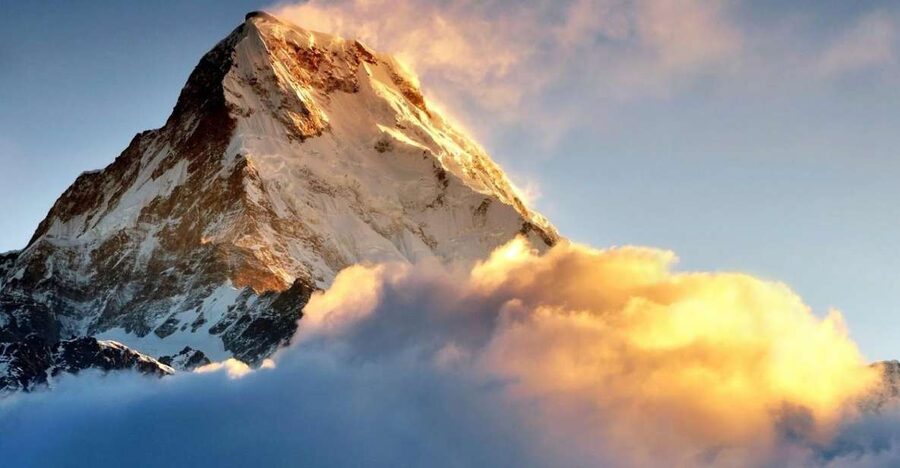
Day two is a six to seven-hour walk from Upper Sinuwa to Deurali at about 3,230 meters. This is where the trek begins to feel like a real mountain trip rather than a village walk.
The trail passes through dense forest and climbs toward the upper valley. Forest shade helps, but the steady ascent still takes work. Your guide’s pacing can make a big difference here. One guide named Tanka was specifically praised for matching the walking speed to the group, checking health, and taking safety seriously. You are not promised Tanka or any particular guide, but you should expect a government-registered English-speaking guide from the operator.
Deurali is a useful overnight stop because it breaks the climb before base camp. You sleep at a higher elevation, then continue upward the next morning. The lodge remains basic, and the price does not include drinks or personal extras. Carry funds for water, hot drinks, showers, and battery charging.
Day three: Deurali to Annapurna Base Camp
The third day covers Deurali to Annapurna Base Camp in about five to six hours. The destination sits at 4,120 meters, so the altitude is not a minor detail. Even if the mileage looks manageable, the thin air can slow you down.
You follow the trail across streams toward Machhapuchhare Base Camp. Machhapuchhare, also called Fishtail, is one of the region’s best-known peaks. From there, the route continues into the area described as the Ablation Valley, a hollow corridor between the glacier and the mountain.
The trail then crosses the hills into Annapurna Sanctuary, the enclosed high mountain basin that leads to base camp. This is the most dramatic part of the trek. You are surrounded by high peaks, glacial features, waterfalls, streams, and steep mountain walls rather than walking along a single viewpoint trail.
You spend the night at Annapurna Base Camp. That is a major benefit of this schedule. You do not simply walk to a sign, take a picture, and turn around. You have time to settle into the high camp and take in the setting, though weather and energy levels will shape how much you see.
This is also the point where you should be realistic. The activity is not suitable for pregnant women or people with heart problems. The operator recommends travel and rescue insurance, and I would treat that as essential planning rather than a minor add-on.
More Five-Day Trips in the world:
- Pokhara: 5 Day Annapurna Base Camp Trek & Natural Hot Spring
★ 4.9 · 44 reviews - From Pokhara: 5-Day Annapurna Basecamp Trek with Hot Springs
★ 4.9 · 26 reviews
Day four: the long return to Sinuwa
Day four is the hardest on paper: seven to eight hours from Annapurna Base Camp to Sinuwa, at about 2,350 meters. The trail follows the only practical exit from Annapurna Sanctuary and drops roughly 1,600 meters from base camp toward Bamboo and Sinuwa.
The descent may sound easier than the climb, but it can be punishing. Long downhill sections put pressure on your knees, especially after a high overnight stay. Trekking poles are not listed among the required items, so ask the operator if you want to use them. At minimum, wear shoes with good support and keep your daypack light.
The route passes through Bamboo before continuing toward Sinuwa. You trade the exposed high-country setting for forest, streams, and lower valley views. This is a day to keep your pace steady, eat when you can, and avoid treating the first downhill section as a race.
A porter is available only with the all-inclusive option. If you choose the budget package, you carry your own equipment. That matters most on day four, when fatigue and downhill walking combine. Confirm the porter arrangement before departure, not after you have packed.
Day five: Sinuwa, Jhinu, and back to Pokhara
The final day includes about four hours of trekking and three hours by jeep. You descend from Lower Sinuwa toward Jhinu Danda, passing farmland around the river.
Jhinu is the reward built into this route. After the walk, you can rest in one of the hot-spring baths. This is more than a pleasant extra. It gives your legs a break before the road transfer and adds a human, local touch to the finish. After a trek built around altitude, rocks, and long climbs, warm water is exactly the right ending.
The jeep then returns you to Lakeside Pokhara. Shared transport keeps the package cost down, but it also means you should expect a group vehicle rather than a private ride. Hotel drop-off is included in Lakeside Pokhara and airport pickup or drop-off is also listed, so give the provider your exact location in advance.
Lodges, food, and what the price really covers
Accommodation is described as private rooms in tourist-standard lodges. That does not mean resort comfort. You should think of a basic trekking lodge with a bed and a practical location near the route.
Meals are included only when you select the all-inclusive option. In the budget option, you pay for your own food. The same split applies to porter service. This makes the headline price appealing, but you need to compare the two package choices carefully.
The included guide service is one of the stronger parts of the arrangement. The guide’s salary, accommodation, and meals are covered, and the guide is described as government registered. A guide such as Tanka can do more than lead the way: he can adjust the day’s pace, watch your health, explain local culture and nature, and help the group feel secure. Another named guide, Amir, was described as friendly and attentive. These names come from previous departures, so ask who will lead your group.
The operator is Welcome Nepal Treks P.Ltd. English is the listed guiding language. If you need another language, do not assume it is available.
What to pack and what to budget for
Bring your passport or ID card, comfortable walking shoes, hiking shoes, sunglasses, a sun hat, sunscreen, insect repellent, toiletries, a change of clothes, and a daypack. The list is short, but the route is not forgiving of poor footwear or an overloaded bag.
Keep cash available for:
- Meals if you choose the budget package
- A porter if you add one
- Bottled or boiled water
- Hot, cold, or alcoholic drinks
- Showers and laundry
- Phone calls and battery charging
- Personal bar bills
- Extra items on the trail
Weapons, sharp objects, and pets are not allowed. Travel and rescue insurance is not included. Since the route reaches 4,120 meters and includes a remote mountain section, insurance should cover trekking and emergency evacuation, though you must check the policy yourself.
The five-day and seven-day confusion
The supplied description mixes a five-day schedule with a longer seven-day version. The longer text mentions spending additional nights and returning through Bamboo, Chomrong, and Jhinu over more days. The detailed itinerary, however, lists five days: Pokhara to Sinuwa, Sinuwa to Deurali, Deurali to base camp, base camp to Sinuwa, and Sinuwa to Pokhara through Jhinu.
That distinction matters. A five-day ABC trek is a fast program. A seven-day version gives you more room to spread out the walking, but this product is priced and labeled as five days. Contact Welcome Nepal Treks before booking and ask for written confirmation of the exact overnight stops, transport points, and number of trekking days.
Who should choose this trek?
I would recommend it to fit hikers who want a short, organized route to Annapurna Base Camp and are comfortable with long walking days. It suits someone staying in Pokhara who wants permits, transport, and a guide arranged in one booking.
It is less suitable if you want slow mornings, short walks, or a private vehicle throughout. The base camp to Sinuwa return is especially demanding. People with heart problems and pregnant women should not choose this activity, as stated by the operator.
The trip also suits people who value a guide’s local knowledge. Tanka was noted for answering questions about animals, nature, and culture, while the porter Chhabi was praised for his strength and calm manner. Again, those team members are not guaranteed, but they show the kind of support you should ask for when confirming your departure.
Should you book it?
Book this trek if you want the main Annapurna Base Camp route in a tight five-day format, like the idea of village lodges, and appreciate having permits and transfers handled for you. The $206 starting price can be good value, especially if your package includes meals and a porter.
Pause before booking if you dislike long descents, plan to carry a heavy bag, or need a slower altitude schedule. Ask one clear question first: is the trip definitely five days, and exactly what does your selected package include? If the answer matches the detailed schedule and you are fit for the pace, the route offers an impressive amount of Himalayan scenery in a short time, with Jhinu hot springs providing a welcome finish.
FAQ
How long is the Annapurna Base Camp trek?
The activity is advertised as five days. The detailed plan runs from Pokhara to Sinuwa, Deurali, Annapurna Base Camp, back to Sinuwa, and then Pokhara via Jhinu Danda.
What is the highest point on the trek?
Annapurna Base Camp is the highest stated point, at 4,120 meters.
Is hotel pickup included?
Yes. Pickup and drop-off are included from hotels in Lakeside Pokhara or from the airport. You should wait in your hotel lobby or at the entrance of your residential apartment five to ten minutes before pickup.
Are meals included?
Meals are included if you select the all-inclusive option. They are not included with the budget option.
Is a porter included?
A porter is included only with the all-inclusive option. The budget option requires an extra charge if you need porter service.
Is transport between Pokhara and the trail included?
Yes. Shared jeep transport from Pokhara to the trail’s last road point and back is included.
Can I cancel the booking?
You can cancel up to 24 hours in advance for a full refund. The activity also offers reserve now and pay later booking.
Freshly added soaks in the world
- Arctic Tent Sauna Experience with Ice Swimming★ 5.0 · 7 reviews
- Arequipa: 1-Day Colca Canyon + Thermal Baths Tour★ 5.0 · 2 reviews
- Antalya: Turkish Bath with Separate Areas for Men and Women★ 4.3 · 12 reviews
- Side: Turkish Bath & Wellness Complex Entry & Treatments★ 5.0 · 2 reviews
- Antalya: Turkish Bath with Sauna, Scrub, Foam & Oil Massage★ 4.2 · 3 reviews
- Antalya: Turkish Bath with Peeling Foam and Oil Massage★ 4.6 · 36 reviews
- Antalya: Turkish Bath Experience with Oil Massage★ 4.1 · 67 reviews
- Antalya: Old City Boutique Small-Group Turkish Bath★ 5.0 · 2 reviews
Hot Spring Hiking Tours, compared.
Mount Batur Sunrise Guided Hike and Natural Hot Spring
Read our review →
National Park Hike & Finnish Smoke Sauna Experience with Campfire Lunch
Read our review →
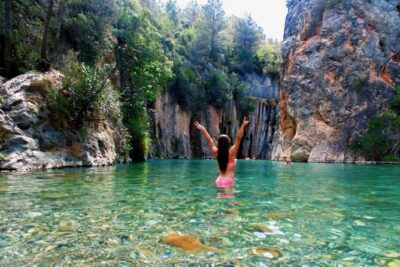
Montanejos Hiking Tour & Thermal Pools from Valencia
Read our review →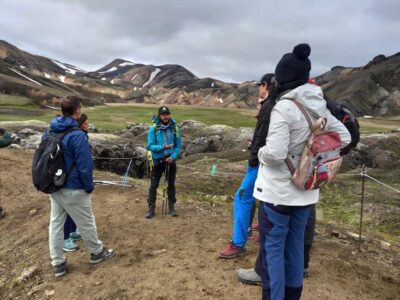
Landmannalaugar Hike and Hot Springs from Reykjavik & Hella
Read our review →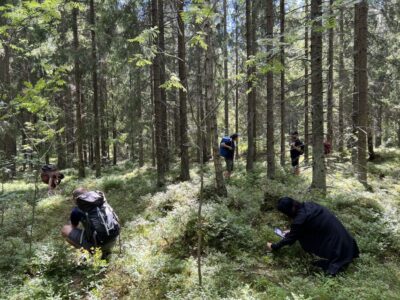
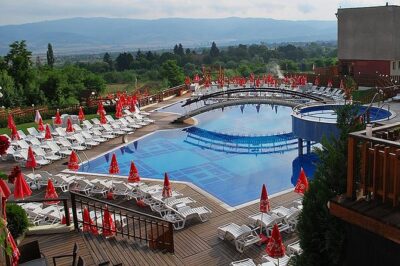
Full-day Rila Mountains, Seven Lakes Hike, and Hot Springs Tour from Sofia
Read our review →
Mount Batur Sunrise Trekking & Natural Hot Spring – All Inclusive
Read our review →More soaks worth the detour