
REVIEW · NATURAL HOT SPRING TOURS
5-Day Annapurna Base Camp Trek with Natural Hot Springs
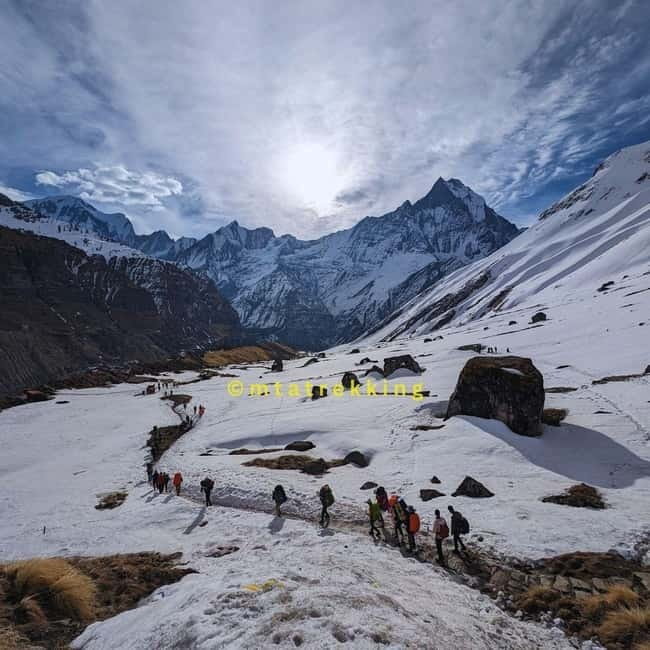
Annapurna Base Camp gives you a rare Himalayan payoff in only five days: you walk from warm, green foothills to a high mountain amphitheater beneath Annapurna South and the surrounding peaks. The route also includes a stop at Machhapuchhre Base Camp and a chance to soak at Jhinu’s natural hot springs, so the trek has more variety than a simple out-and-back hike.
I like the mix of Gurung village life and changing scenery, from terraced fields and forest paths to rugged alpine ground. I also like the practical setup: private transport from Pokhara, tea-house lodging, permits, luggage storage, and an English-speaking guide are covered. The main caution is the pace. Reaching 4,130 meters in three walking days is demanding, and the short schedule leaves little room for slow acclimatization or bad weather.
Key points to know before you book
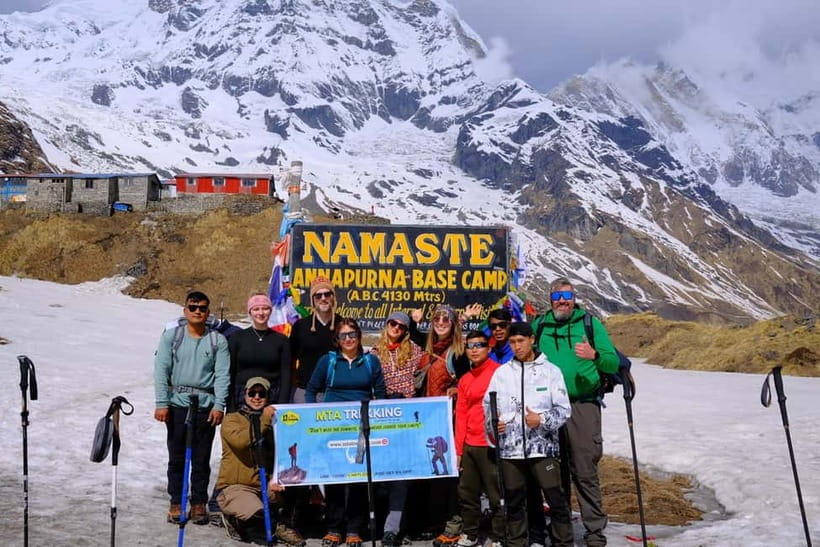
- Annapurna Base Camp reaches 4,130 meters: The altitude is real, even on a short itinerary, so you need reasonable fitness and a careful approach to symptoms.
- The route passes through Gurung villages: You get more than mountain views, with a look at local homes, daily life, and village hospitality.
- Jhinu Hot Springs add a welcome recovery stop: The soak is optional and is best treated as a pleasant extra, not the main reason to choose the trek.
- The trip uses tea houses: Expect simple mountain lodging rather than hotel comfort, with hot showers, Wi-Fi, drinks, and bottled water charged separately.
- The package is private: Your group travels with a government-registered English-speaking guide rather than joining a large shared departure.
- A porter costs extra: Porter service is listed at $20 per day, so pack carefully or budget for help with your bags.
Why this five-day route works
The Annapurna Base Camp trail is appealing because the scenery changes quickly. You begin near Pokhara, a lakeside city with roads and restaurants, then move through terraced farmland, subtropical forest, stone stairways, and high mountain terrain.
This compressed version is aimed at people who want the base camp experience without committing to a longer trek. You spend four nights on the route and return to Pokhara on the fifth day. That efficiency is useful if you have limited time in Nepal, but it also means active days and little spare time.
The private format is another advantage. You can ask your guide to explain the peaks, local customs, and route conditions as you walk. One guide praised for this trip is Ramit, who was noted for explaining the area, managing walking and rest times, and providing attentive support. Guide assignments can vary, but that gives you a useful picture of the service expected from the operator.
At $320 per person, the value is strongest if you use the included transport and permits. The price covers tea-house accommodation, private road transfers from Pokhara to Siwai and back, Annapurna Conservation Area and TIMS permits, government fees and taxes, a registered guide, first-aid equipment, and storage for luggage left in Pokhara.
It does not cover every cost on the trail. Meals are included only with the full-board option, and drinks, mineral water, hot showers, Wi-Fi, laundry, and other personal purchases are extra. A porter is another $20 per day. Read the meal option closely when booking, because the advertised price alone does not tell you the full cost of eating along the route.
More Natural Hot Springs in Nepal:
- Pokhara: 5 Day Annapurna Base Camp Trek & Natural Hot Spring
★ 4.9 · 44 reviews - Pokhara: 7-Day Annapurna Base Camp Trek & Natural Hot Spring
★ 5.0 · 11 reviews - Pokhara: Amazing 7-Day ABC Trek with Natural Hot Spring
★ 5.0 · 5 reviews
Day 1: Pokhara to Lower Sinuwa through Jhinu
Your day begins with hotel pickup in the Lakeside area of Pokhara, or at Pokhara International Airport. A private jeep or SUV takes roughly three hours toward Siwai, the last road-access point listed for this trip.
From there, you begin walking toward Lower Sinuwa, at about 2,300 meters. The walking time is listed at roughly five to six hours, depending on the exact route and pace. The path passes through Jhinu, a village known for its natural hot springs, and continues through the first stretch of forest and mountain settlement.
This opening day gives you a good taste of the trek’s range. You leave behind Pokhara’s easygoing lakeside setting and enter a walking route shaped by farms, forest, stone paths, and village life. The terraced fields are especially useful for understanding how people cultivate steep ground in the foothills.
Jhinu is the first important point of interest, but the hot spring visit is not necessarily the main activity on this day. The itinerary includes the springs again on the return journey, when a soak may feel more welcome after several hard days. Ask your guide how the timing looks before assuming you will have a long bathing stop on the way up.
Lower Sinuwa is your first overnight stop. Tea houses provide the basic comforts needed on the trail, but you should not expect hotel-style rooms or unlimited hot water. Carry cash because mountain services such as showers, Wi-Fi, drinks, and water are not included.
Day 2: Lower Sinuwa to Deurali
The second day takes you higher, toward Deurali at approximately 3,200 meters. The walking time is listed at about six hours, and this is where the physical side of the trek becomes more obvious.
You move through changing forest and mountain terrain, with views opening and closing as the path rises. The route is not just a march toward a single viewpoint. You get a gradual change in air, vegetation, and scenery, with the high peaks becoming a more constant presence.
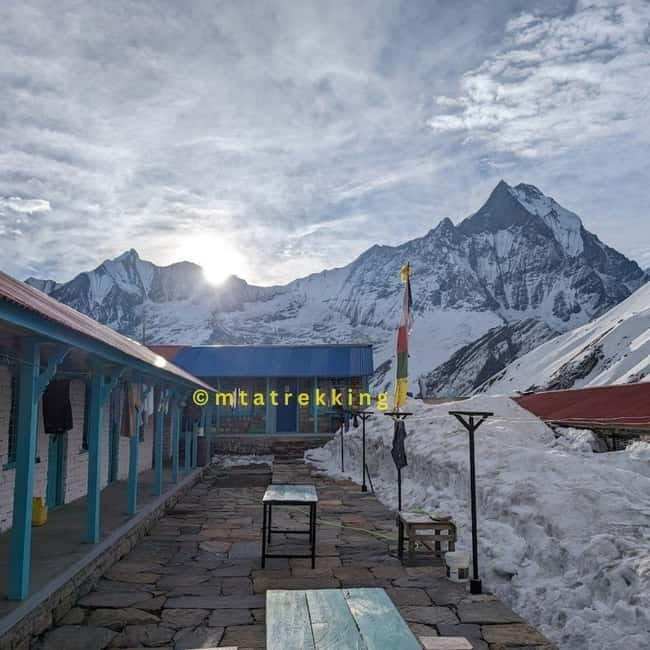
Deurali is an important overnight stop because it places you close to the base camp section of the route. It is also where you should pay close attention to how your body feels. Headache, nausea, unusual tiredness, dizziness, or poor coordination should be reported to your guide. The information for this trip describes altitude sickness as uncommon, but Annapurna Base Camp is still high enough that you should take symptoms seriously.
The listed schedule mentions sunset and sunrise views at the overnight stops. Weather controls what you actually see, so treat these as opportunities rather than promises. A clear evening at Deurali can be memorable, but clouds and rain are part of mountain travel.
This is a good night to keep your routine simple. Eat, drink enough, organize your clothing, and get rest. You will want an early start for the base camp section.
Day 3: Deurali to Machhapuchhre Base Camp and Annapurna Base Camp
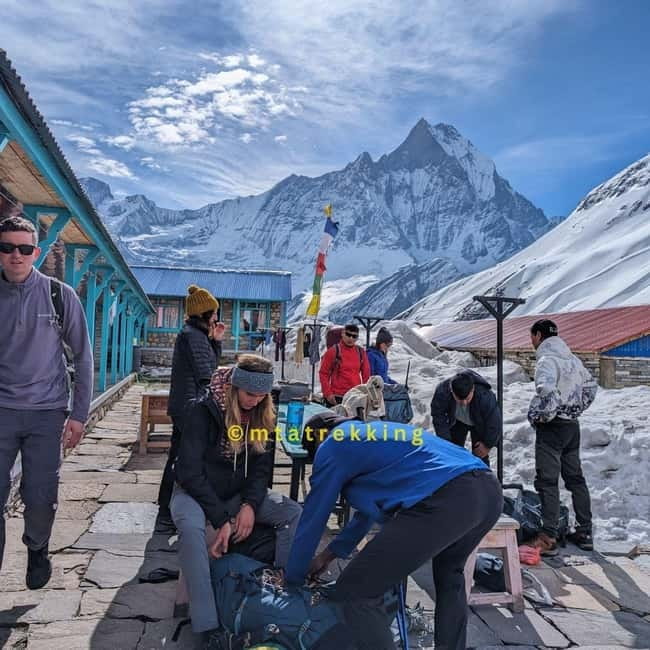
The third day is the high point of the trip, both literally and emotionally. You walk from Deurali to Annapurna Base Camp, passing Machhapuchhre Base Camp on the way. The walking time is described as about four to six hours, depending on the pace and stop pattern.
Machhapuchhre means Fishtail, and the peak is one of the most recognizable mountains in the area. The stop gives you a chance to pause before the final approach and take in the sharp mountain surroundings.
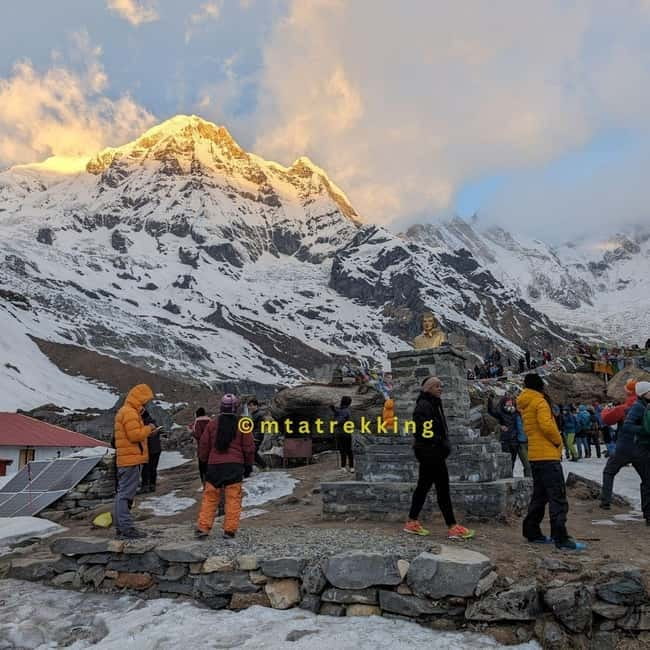
The route then continues to Annapurna Base Camp at 4,130 meters. Reaching the destination is a serious achievement, even though the trek has been shortened to five days. The base camp is surrounded by the Annapurna Massif, giving you the close mountain views that make this route so popular.
Plan for the air to feel colder and thinner here. Pack gloves, warm layers, and clothing that can handle changing conditions. The trip information calls for comfortable clothes and shoes, but for this altitude you should interpret comfortable as sturdy, warm, and already broken in.
Overnight at base camp means you do not have to rush down immediately after arriving. That matters. You can take photographs, rest, and wait for changing light over the peaks. One especially memorable possibility is sunrise facing Annapurna South. It is the kind of moment that rewards the early wake-up and the effort needed to reach the camp.
The drawback is that this is a demanding day. The schedule moves from Deurali to base camp in one push, and the short itinerary does not provide a spare acclimatization day. If you are new to high-altitude trekking, discuss your pace and symptoms with the guide throughout the day.
More Hot Spring Hikes in Nepal:
- From Pokhara: 5-Day Annapurna Basecamp Trek with Hot Springs
★ 4.9 · 26 reviews - Pkr/Kathmandu: 5-Day Annapurna Base Camp & Hot spring Trek
★ 5.0 · 6 reviews - Pokhara: 5-Day Trek to Annapurna Base Camp and Hot Springs
★ 5.0 · 4 reviews - POON HILL HOT SPRING – 10 Days Trek
★ 5.0 · 3 reviews
Day 4: Annapurna Base Camp to Bamboo Lodge
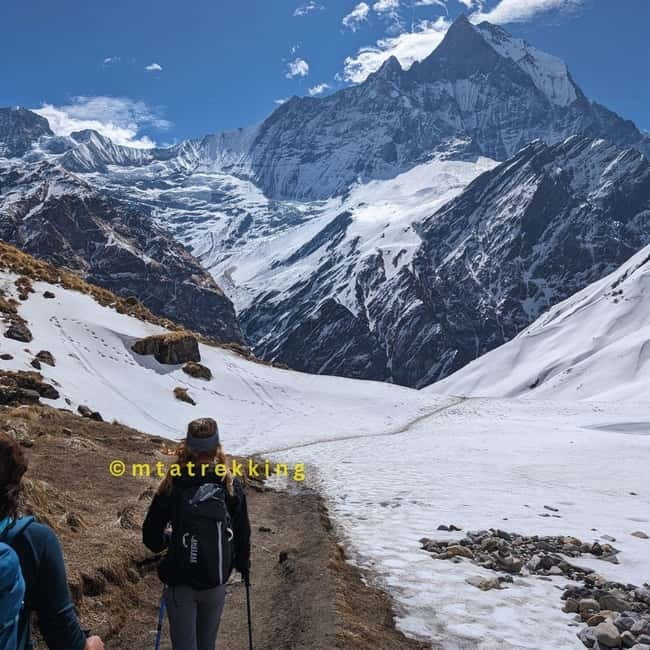
Day four begins with more time around Annapurna Base Camp before you descend to Bamboo Lodge, at roughly 2,400 meters. The walking time is listed at around six hours.
Descending is often easier on your breathing, but it can be hard on your knees and ankles. The trail may include steps and uneven surfaces, so trekking poles can be useful, although they are not specifically listed among the included items. Keep your pace controlled rather than racing downhill.
Bamboo is a practical overnight stop after the high point of the trek. The drop in altitude should feel welcome, and the forest setting gives you a sharp contrast with the open mountain surroundings at base camp.
This is also a good night to check what you have left in your bag. You still need cash for personal expenses, and you should keep a dry change of clothes available. Wet weather can make even a simple tea-house night less comfortable.
Day 5: Bamboo to Jhinu, hot springs, and Pokhara
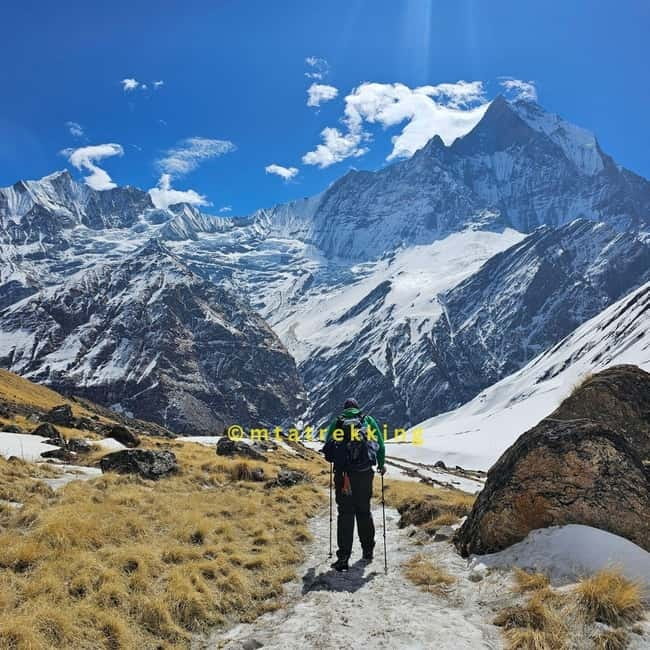
The final walking section takes you from Bamboo back toward Jhinu. After the descent, you may have the option to relax in the natural hot springs before continuing by vehicle to Pokhara.
This is one of the smartest details in the route design. A hot spring after several days of stairs and downhill walking gives you a simple way to loosen up before the road journey. The soak is optional, and you should not count on it if weather, trail conditions, or transport timing changes.
The return drive to Pokhara takes about three hours. You finish back at your Lakeside hotel or the original meeting point, with the trek completed in five days.
The final day can feel long because it combines walking, bathing time if available, and road travel. Still, the transition from mountain trail to Pokhara’s lakeside setting is part of the experience. You see how quickly Nepal changes from remote footpaths to a city with cafés, hotels, and easy transport.
Tea houses, meals, and what your $320 covers
Tea-house accommodation is one of the most authentic parts of this trek, but it requires realistic expectations. Rooms and facilities are simple, and extra services cost money. Hot showers, Wi-Fi, drinks, mineral water, laundry, and similar purchases are not included.
Meals depend on the option you select. Choose the full-board version if you want meals included. If you do not, budget separately for food and drinks during the trek.
The package includes the permits required for the route, including Annapurna Conservation Area and TIMS permits, along with taxes. It also includes private transport from Pokhara to Siwai and back, which is valuable because road transfers can otherwise complicate a short itinerary.
Luggage storage in Pokhara is useful if you are carrying more than you need on the trail. Leave city clothing and nonessential items behind, then carry only what you need for five days. If you want a porter, the listed rate is $20 per day.
Weather, altitude, and packing advice
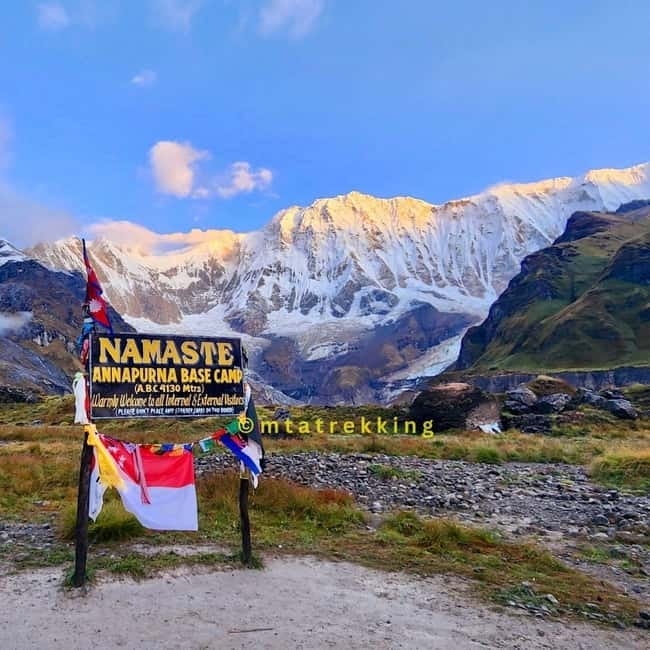
The best packing list is practical rather than huge. Bring comfortable walking shoes, comfortable clothing, a change of clothes, warm layers for base camp, cash, and your passport or an accepted copy of your identification.
June through August brings monsoon conditions. Heavy rain can affect roads and trails, and clouds may hide the mountain views. Leeches can be a nuisance on lower sections during this season. Long pants tucked into gaiters and insect repellent can help.
The trip is not suitable for pregnant people, wheelchair users, people with mobility impairments, people with visual impairments, people with altitude sickness, or people over 70. Those limits are worth taking seriously because the route includes long walking days, uneven mountain paths, and a high final destination.
You also need travel insurance that covers trekking and altitude-related rescue. Rescue and insurance are not included in the price. This is one area where saving money is not wise.
Who should choose this trek
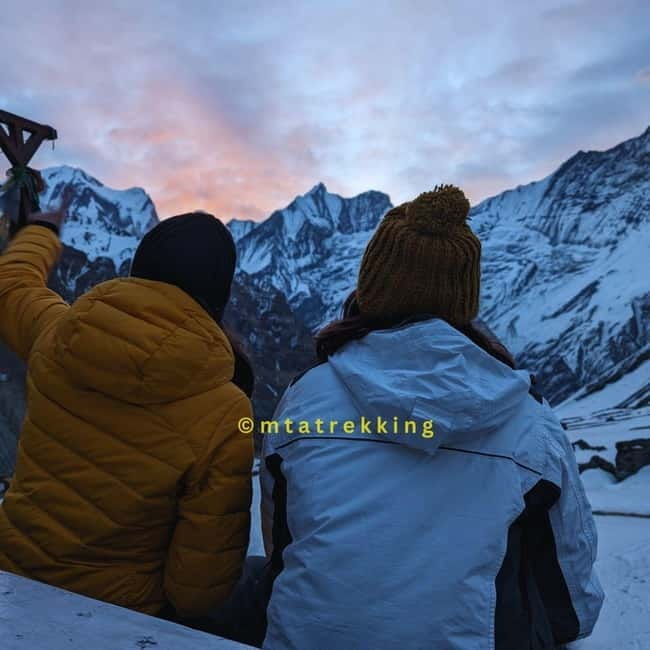
I would choose this route if you have five days, want a private experience, and prefer a direct route to Annapurna Base Camp rather than a slower, longer schedule. It suits active beginners who are comfortable walking for several hours a day, as well as experienced hikers who want an efficient trip.
The cultural element is a real strength. You pass through traditional Gurung villages and see a way of life that is closely tied to mountain paths, farming, and local hospitality. The trip is not only about reaching a viewpoint.
I would think twice if you want a relaxed holiday, dislike basic lodging, need guaranteed hot showers, or have never managed a long uphill day. The short schedule is efficient, but it is not gentle. Weather can also affect the views and road transfers, especially in monsoon months.
Should you book the Annapurna Base Camp trek?
Book it if you want a private, value-focused five-day trek with permits, transport, tea-house lodging, and a guide arranged in one package. The combination of Annapurna Base Camp, Machhapuchhre views, Gurung villages, and Jhinu’s hot springs gives you plenty of variety for the time available.
Before paying, confirm the meal option, ask about the assigned guide, and budget for water, showers, Wi-Fi, personal expenses, insurance, and a porter if needed. If you can handle the altitude and the long walking days, this is a strong short itinerary. If you want extra acclimatization time, a longer Annapurna route would be the safer choice.
FAQ
How long is the Annapurna Base Camp trek?
The experience lasts five days and includes four nights on the trail. It begins and ends in Lakeside Pokhara.
What altitude does Annapurna Base Camp reach?
Annapurna Base Camp is at 4,130 meters, or about 13,550 feet.
Where does the trek start?
Pickup is available from hotels and locations within the Lakeside area of Pokhara, as well as from Pokhara International Airport.
Is transport included?
Yes. Private transport by jeep or SUV is included from Pokhara to Siwai, the last road-access point, and back to Pokhara.
Are meals included?
Meals are included only when you select the full-board option. Drinks, mineral water, hot showers, Wi-Fi, laundry, and other personal expenses are not included.
Is a guide included?
Yes. The package includes a government-registered English-speaking trekking guide. Guide assignments may vary.
Is porter service included?
No. Porter service costs $20 per day.
Can I cancel for a refund?
Yes. You can cancel up to 24 hours in advance for a full refund. You can also reserve now and pay later.
More Five-Day Trips in Nepal
- Pokhara: 5-Day Annapurna Base Camp Trek with Hot Spring
★ 5.0 · 3 reviews - Yellowstone, Grand Teton, and Hot Springs: Small Group 5-Day Tour
★ 5.0 · 2 reviews
Freshly added soaks in Nepal
- 7 Days Annapurna Base Camp Trek from Pokhara with Hot Spring★ 5.0 · 2 reviews
- Unlimited Sauna Steam and Jacuzzi★ 5.0 · 2 reviews
- POON HILL HOT SPRING – 10 Days Trek★ 5.0 · 3 reviews
- Lower Mustang Jomsom Muktinath Hot Spring Tour in 4 WD Jeep★ 4.5 · 2 reviews
- Pokhara: 7-Day Annapurna Base Camp Trek & Hot Spring★ 4.0 · 3 reviews
- Pokhara: Amazing 7-Day ABC Trek with Natural Hot Spring★ 5.0 · 5 reviews
- Pokhara: 7-Day Annapurna Base Camp Via PoonHill & Hot Spring★ 5.0 · 6 reviews
- Pokhara: 5-Day Annapurna Base Camp Trek with Hot Spring★ 5.0 · 3 reviews
Natural Hot Spring Tours, compared.
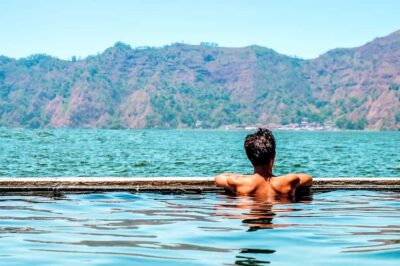
Mount Batur Sunrise Guided Hike and Natural Hot Spring
Read our review →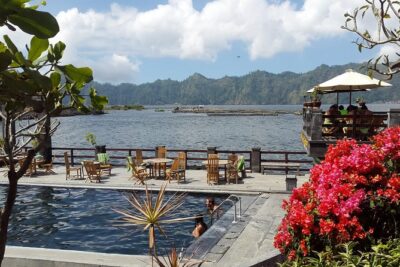
Mt Batur Sunrise, Breakfast & Natural Hot Springs
Read our review →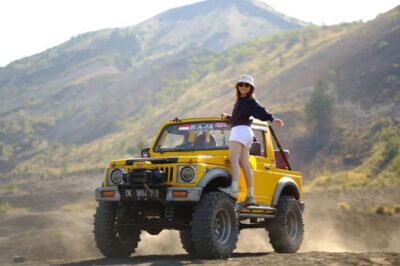
Day/Sunset Mount Batur 4WD Jeep and Natural Hot Spring
Read our review →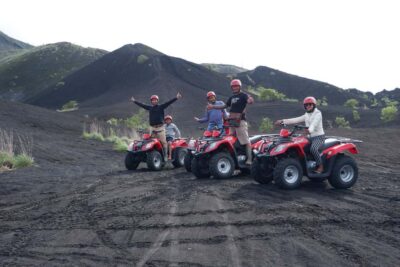
Mount Batur Quad Bike Tour and Natural Hot Springs
Read our review →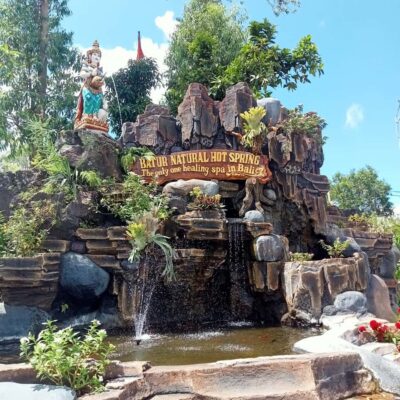
Termas de Papallacta Hot Springs full day tour from Quito
Read our review →More soaks worth the detour