
REVIEW · JAPANESE ONSEN TOURS
Hot Spring Town Walking Tour in Shima Onsen
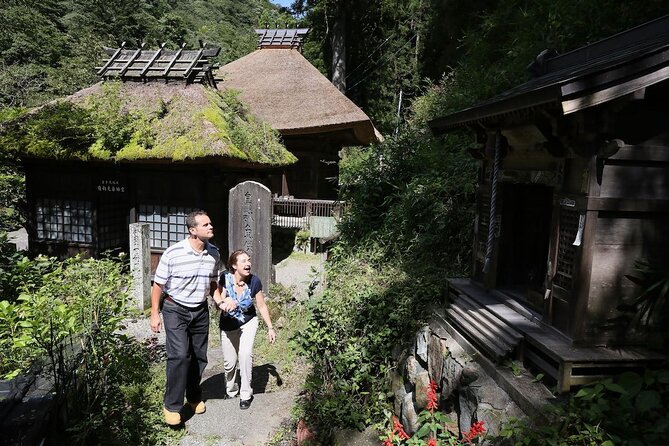
Shima Onsen is the sort of place that makes more sense on foot. This three-hour walk takes you past Sekizen-kan, an inn said to be Japan’s oldest, then through old roads and quiet corners that are easy to miss on your own. Guide Masuo Kashiwabara has lived in Shima Onsen for more than 40 years, so the tour draws on local life rather than just dates and landmarks.
I like two things right away: the slow pace, which leaves room for questions and chance encounters, and the explanation of how hot spring water is managed. The main consideration is that the tour depends on good weather and covers about 1.8 miles on foot, so it is less appealing if you want a seated sightseeing experience or a day spent soaking.
Key points at a glance
- A guide with four decades in Shima: Masuo Kashiwabara brings personal knowledge of the town, its people, and its changing traditions.
- Sekizen-kan in 15 minutes: See the historic inn often linked with the visual inspiration for Spirited Away.
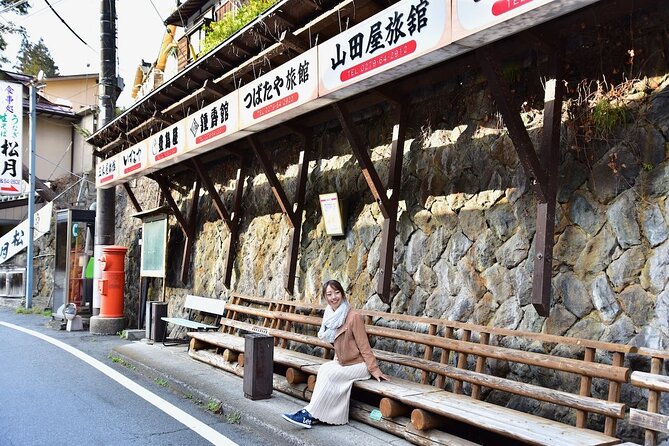
- Old roads beyond the standard route: The walk covers roughly 1.8 miles through Shima’s retro Showa-era streets and quieter corners.
- Hot spring culture explained clearly: You learn how local sources are managed, not just where to take a bath.
- A sweet finish: The tour includes a local treat at Kashiwaya Café or another café or sweets shop.
- Small-group format: A maximum of 10 people keeps the walk personal and makes questions practical.
Why Shima Onsen works best on foot
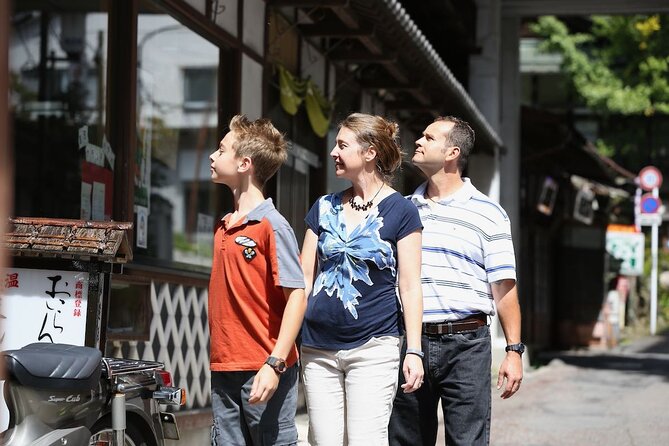
Shima Onsen is a compact mountain hot spring town in Gunma Prefecture, in Japan’s Kanto region. Its appeal is not based on one giant sight. The pleasure comes from the way old inns, narrow roads, hot spring facilities, local shops, and daily life fit together.
A quick solo walk can show you the surface. You see the wooden buildings, notice the steam, perhaps stop for a drink, and move on. The value of this tour is the explanation behind those details. You learn how the town’s hot springs function and why the area matters to people who care about Japanese bathing culture.
The atmosphere is strongly tied to the Showa period, especially the 1950s and 1960s. That does not mean every building belongs to that era. It means the town retains an older visual character and a slower rhythm that has largely disappeared from Japan’s larger resort areas.
I would choose this tour early in a Shima Onsen stay. The information helps you understand the town for the rest of your visit, and Masuo can point out places you might otherwise pass without noticing. The relaxed pace also suits the setting. This is not a race from one photo stop to another.
More Onsen Tours in Japan:
- From Osaka: Himeji Castle, Arima Onsen & Mt. Rokko Day Tour
★ 4.6 · 339 reviews - From Tokyo: Private Tour to Fuji/Hakone – Onsen, Art, Nature
★ 5.0 · 116 reviews - Mt. Fuji, Hakone Private Tour from Tokyo – Onsen, Arts and Nature
★ 5.0 · 79 reviews
Meeting Masuo at 9:30 am
The tour begins at Shima Terrace, at 4237-43 Shima, Nakanojo, Agatsuma District, Gunma 377-0601. The start time is 9:30 am, and the walk returns to the same meeting point.
That arrangement is simple and useful. You do not need to work out a separate end-point transfer, and you can plan the rest of your day around the original meeting place. Since the walk lasts about three hours, it should leave you time for lunch, bathing, or more independent exploring afterward.
Masuo Kashiwabara is the named guide associated with the experience. He has lived in Shima Onsen for over 40 years, which gives the tour a local point of view rather than a general introduction to Japanese hot springs.
His approach appears especially well suited to people who like conversation. Past comments about the walk point to his kindness, humor, and willingness to answer broader questions about Japan. The tour can also include local stories and current happenings, such as the Shima Biennale when it is taking place.
The group limit is 10 people. That is small enough for a natural question-and-answer rhythm, though the final group size can vary. A small group also matters on narrow old roads, where a large crowd would change the feel of the place.
Sekizen-kan, an inn linked to Spirited Away
The first stop is Honkan, Sekizen-kan, with about 15 minutes set aside for the visit. Admission is included.
Sekizen-kan is said to be the oldest inn in Japan, and it is often identified as one of the models for the bathhouse in Studio Ghibli’s Spirited Away. That connection attracts attention, but the building is worth seeing on its own terms. It gives you a physical sense of the old inn culture that helped shape Japanese hot spring towns.
Fifteen minutes is enough for an introduction and a look around, but it is not a long architectural visit. If you arrive expecting a full museum tour or a detailed study of every room, you may find this part brief. Its real purpose is to set the tone for the longer walk.
The stop also gives Masuo a useful starting point for explaining Shima’s past. Instead of seeing the inn as a film reference alone, you can place it within the town’s wider bathing culture. That makes the connection more interesting and less like a simple photo opportunity.
The 1.8-mile walk through old Shima
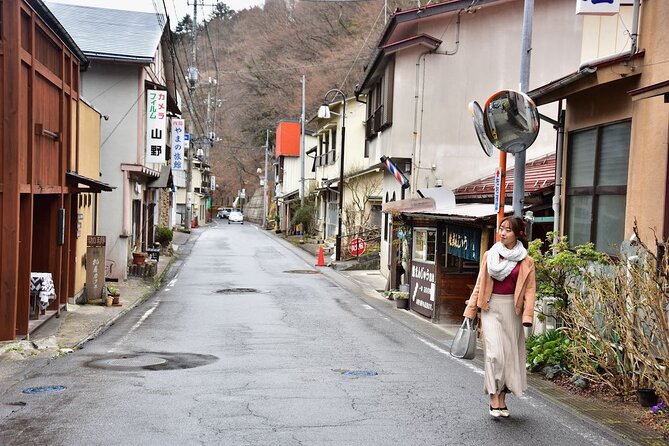
The main part of the experience takes about two and a half hours. You walk roughly 1.8 miles through Shima Onsen, following old roads and passing places that are not always included in standard sightseeing routes.
The distance is moderate, but the experience is not simply a measured stroll. You stop to listen, ask questions, look at details, and speak with local people. The pace is described as unhurried, which fits Shima well. You are not being pushed from one landmark to another.
The walk focuses on the town’s retro character. You might notice how older streets connect the hot spring inns, how the resort developed around its water sources, and how everyday life continues alongside tourism. The guide’s local perspective helps turn ordinary corners into useful clues about the town.
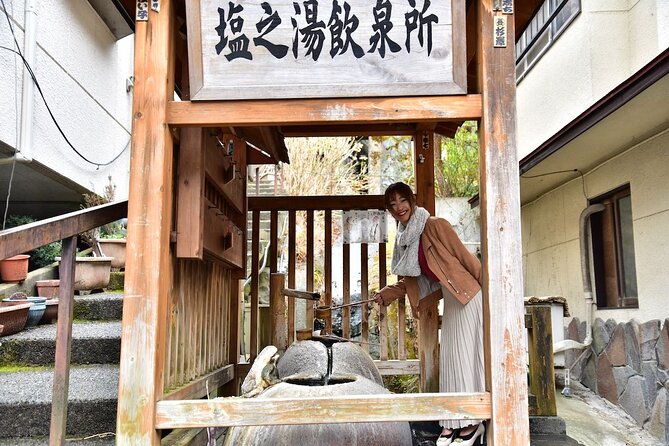
One particularly valuable topic is the ancient method of managing hot spring sources. Many visitors understand an onsen as a bath, but not the work and systems behind the water itself. This tour explains that culture in place, while you are looking at the town that depends on it.
That information matters if you plan to use Shima’s baths afterward. You gain a better sense of why hot springs are treated as a local resource, not just a hotel amenity. The subject also gives the town a stronger identity than the usual checklist of scenic views and souvenir shops.
More Hot Springs and Thermal Baths in Japan:
- Osaka: Nara and Uji Day Trip with Deer Park and Hot Spring
★ 4.4 · 302 reviews - Kyoto: Traditional Concert at Townhouse or Bathhouse
★ 4.9 · 224 reviews - Tokyo: Mount Fuji 5th Station & Onsen Day Trip
★ 4.3 · 75 reviews - From Fukuoka: Mount Aso, Kurokawa Onsen, and Shrine Tour
★ 4.6 · 72 reviews
Local stories, people, and possible wildlife
The walk includes contact with local people, which can make the experience feel less staged. The exact encounters will depend on the day, but the format allows for conversation rather than keeping you sealed inside a tour group.
Masuo’s long connection with Shima is important here. A guide who has spent more than 40 years in the town can explain local customs and changes in a way a short-term guide cannot. The comments about this experience especially praise his personal insight and his ability to make the walk fun as well as informative.
You may also hear stories connected to areas beyond the main center. One past participant requested time in the Yamaguchi area, suggesting that the route can have some flexibility when conditions and timing allow. Do not treat a particular side route as guaranteed, but it is worth asking Masuo about your interests at the start.
There is also a chance of seeing wild animals. That is a possibility, not a promise, and it should not be the reason you book. Still, it adds a pleasant element of uncertainty to a walk through a mountain hot spring town.
The same applies to seasonal events. Masuo has discussed local happenings such as the Shima Biennale when it was running. If something is taking place during your visit, ask about it. The town may offer more than its fixed sights.
The sweet stop at Kashiwaya Café
The final stop lasts about 15 minutes at Kashiwaya Café or another café or sweets shop. A local sweet is included in the price.
This is a small ending, but a good one. A local treat gives you a chance to pause after the walk and talk over what you have seen. It also introduces a simple part of Shima’s food culture without turning the tour into a full meal.
Do not book this experience expecting an elaborate tasting session. The supplied details promise a sweet, not a menu of dishes or a long café visit. If you have dietary restrictions, you should ask about the available treat before the tour, since no specific item or ingredient information is provided.
The café stop also keeps the experience grounded in the town. You are not finishing at a generic attraction. You are spending a little time in a local business and getting a modest taste of the place.
What the $29.32 price delivers
At $29.32 per person, this is a fairly modest price for three hours with a local guide. The value comes less from admission tickets, since Sekizen-kan is listed with free admission and the main walk has no separate entry charge, and more from the interpretation.
Without a guide, you can certainly walk around Shima Onsen for free. The question is how much you will understand. For someone visiting for the first time, Masuo’s explanations about hot spring management, local history, old roads, and town life can make the difference between seeing a pleasant village and understanding why the village is important.
The small group limit improves the value. With no more than 10 people, you have a reasonable chance to ask about bathing customs, local areas, food, or the best way to spend the rest of the day. A private tour would cost more, while a large group would likely feel less personal.
The tour is a particularly good buy if you are already interested in Japanese hot spring culture. If you only want to take photographs of old buildings, you could explore independently for less. The price pays for context and access to local knowledge, not for expensive attractions.
It is also useful for people who have visited Japan’s major sights and want a quieter destination. One purpose of this experience is to introduce Shima as a less familiar place for international visitors. The guide can help you see what makes it different from more famous hot spring towns.
Who should book this walk
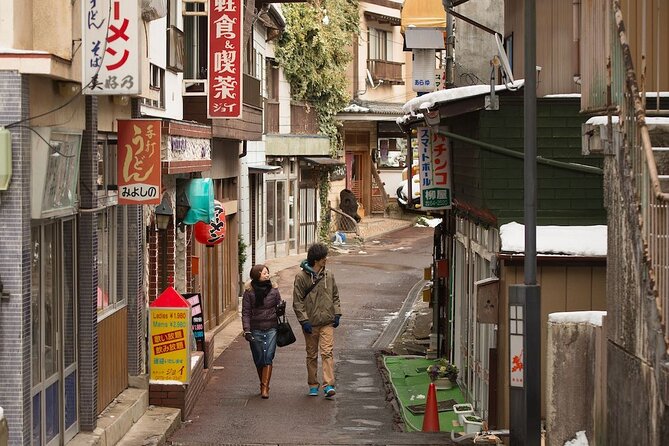
I would recommend the tour to first-time visitors to Shima Onsen, especially those staying at least one night. You will get a clear introduction without giving up an entire day, and you can use the rest of your time to visit baths, eat, rest, or walk on your own.
It also suits repeat visitors who have already seen the main streets but still feel unsure about the town’s character. One of the strongest reasons to book is the chance to learn what makes Shima meaningful to people who know Japanese hot springs well.
The tour is a good fit for:
- People interested in local history and hot spring culture
- Visitors who prefer walking and conversation to a packed sightseeing schedule
- Couples, families, and small groups wanting a personal introduction
- Guests who enjoy old streets, local sweets, and everyday town life
- People who want to ask a local guide broader questions about Japan
You may want to skip it if you have difficulty walking 1.8 miles, dislike outdoor plans that can be affected by weather, or want a tour built around bathing rather than learning about baths. This is a town walk, not an admission ticket to a hot spring facility and not a replacement for time in the water.
Most people can take part, and service animals are allowed. The tour is near public transportation, though the provided details do not specify the best route or travel time from your accommodation. Use the mobile ticket and confirm the meeting point before setting out.
Timing, weather, and cancellation
The start is fixed at 9:30 am, so plan to arrive ready to walk. Since the activity returns to Shima Terrace, you do not need to carry your day around a second meeting location.
Good weather is required. If poor weather causes cancellation, you are offered another date or a full refund. You can cancel for a full refund up to 24 hours before the start time, but cancellations or changes made inside that window are not refunded or accepted.
Confirmation is sent within 48 hours of booking, subject to availability. The experience is often reserved well ahead of time, with an average booking lead time of 52 days. That does not mean every date sells out, but it does suggest that you should reserve early if your Japan itinerary has little flexibility.
The best practical plan is to book the walk near the start of your Shima stay and keep the following hours open. If weather changes, you have more room to move the activity to another day.
Is the Shima Onsen walk worth booking?
Yes, if you want to understand Shima Onsen rather than simply pass through it. The combination of Sekizen-kan, old roads, hot spring education, local conversation, and a small sweet stop gives you a useful three-hour introduction for $29.32.
The main reason to choose it is Masuo Kashiwabara’s local connection. His 40-plus years in Shima add the kind of detail you cannot get from a map or a quick solo stroll. The slow pace is another strength, especially in a town where the mood matters as much as the sights.
Book it if you enjoy walking, asking questions, and seeing how a place works. Skip it if you want a bath-focused outing, a fully indoor activity, or a route unaffected by weather. For most first visits to Shima Onsen, this is a sensible way to get your bearings and notice more during the rest of your stay.
FAQ
Where does the Shima Onsen walking tour begin?
The tour begins at Shima Terrace, 4237-43 Shima, Nakanojo, Agatsuma District, Gunma 377-0601, Japan.
What time does the tour start?
The start time is 9:30 am.
How long does the experience last?
The tour lasts approximately three hours.
Where does the tour finish?
The activity returns to the meeting point at Shima Terrace.
How far do you walk?
The main walk through Shima Onsen covers approximately 1.8 miles.
What is included in the experience?
The tour includes the guided walk, the visit to Sekizen-kan, and a local sweet at Kashiwaya Café or another café or sweets shop. Admission for the listed stops is included.
How many people can join the tour?
The maximum group size is 10 people.
Freshly added soaks in Japan
- Japanese Head Onsen and Scalp Massage Retreat in Tokyo★ 4.5 · 2 reviews
- Tokyo Local Tattoo Friendly Public Bath Experience★ 5.0 · 4 reviews
- Mt. Fuji to Lake Kawaguchi, Lake Yamanaka and Onsen Day Tour★ 4.5 · 3 reviews
- Tattoo-friendly open-air Onsen & drink★ 5.0 · 25 reviews
- Mt. Fuji Tours to Lake Kawaguchi and Yamanaka Onsen English Guide★ 4.5 · 4 reviews
- Mt FUJI – Panoramic Tour w/ Hoto Lunch, JP Sake & Onsen tatto OK!★ 5.0 · 9 reviews
- Onsen Spa in Tokyo and Asakusa Bar Hopping with Local Guide★ 5.0 · 3 reviews
- Private Tour to Snow Monkey, Zenkoji Temple & Hot Springs Nagano★ 4.0 · 2 reviews
Japanese Onsen Tours, compared.
Himeji Castle, Arima Onsen & Mt. Rokko Day Tour
Read our review →
Private Tour to Fuji/Hakone – Onsen, Art, Nature
Read our review →
All-Day Pass to Yunomori Sathorn Onsen Bath and Spa
Read our review →
Mt. Fuji, Hakone Private Tour from Tokyo – Onsen, Arts and Nature
Read our review →
From Fukuoka: Mount Aso, Kurokawa Onsen, and Shrine Tour
Read our review →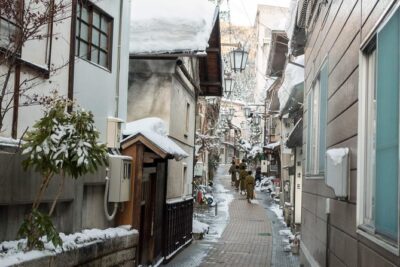
Private Nagano 1-Day Tour:Snow Monkeys,Zenko-ji,Obuse,Sake,Onsen
Read our review →More soaks worth the detour