
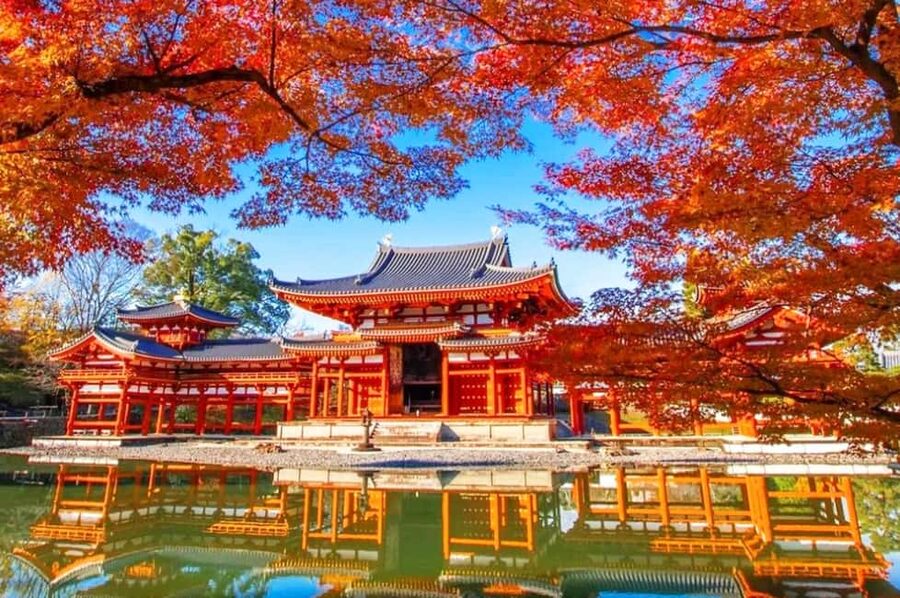
REVIEW · HOT SPRING DAY TRIPS
Osaka: Nara and Uji Day Trip with Deer Park and Hot Spring
Nara’s deer are the star here, but the real trick is fitting two very different historic towns and a hot spring into one day. You’ll feed deer beneath the maple trees, see Todai-ji’s enormous Great Buddha, stroll Uji’s matcha streets, and finish with a Japanese bath.
I especially like the variety and the simple transport. For $57, round-trip travel, a guide, parking, taxes, and a full 10-hour day make this a useful deal if you want several major sights without sorting out train connections. I also like the hot spring finale, which gives your feet a break after a long day of walking.
The tradeoff is time. Nara and Uji each deserve a full day, but this outing gives you about two hours in Nara and 90 minutes in Uji, with admission fees and meals extra. The onsen also has strict tattoo and bathing rules, so check those before booking.
Key points at a glance
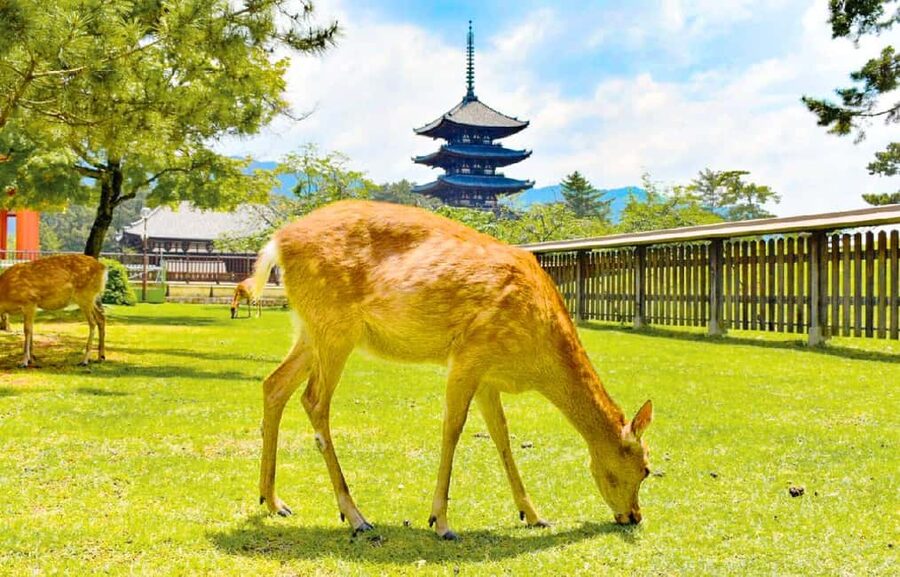
- Feed Nara’s deer in the maple forest: A complimentary pack of deer crackers gets you started, but excited deer can crowd around you quickly.
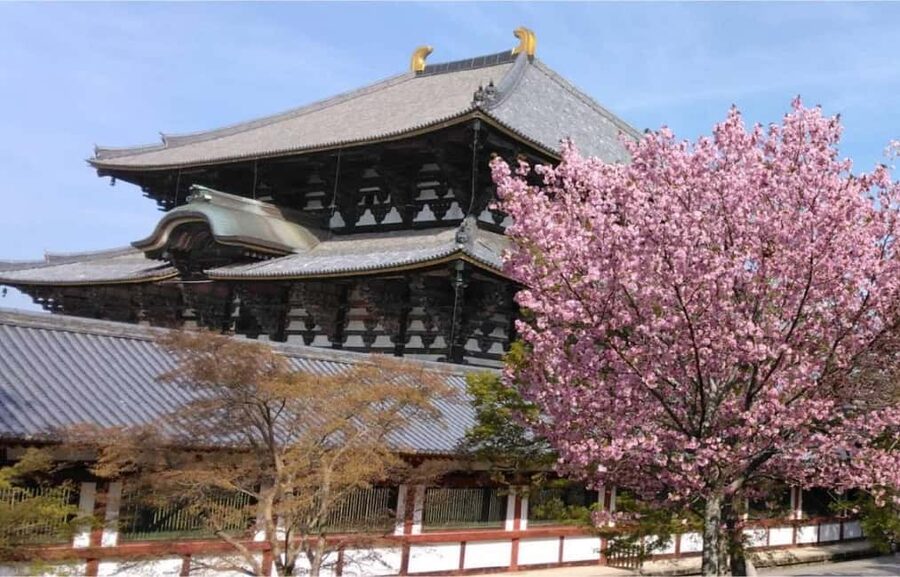
- See Todai-ji and the Great Buddha: Admission is not included, and your time inside the temple is limited.
- Walk through Kasuga Taisha: Bronze and stone lanterns give this shrine a calm, memorable character.
- Taste your way through Uji: Matcha ice cream, cakes, souvenirs, and even green tea soba line the streets near Byodo-in.
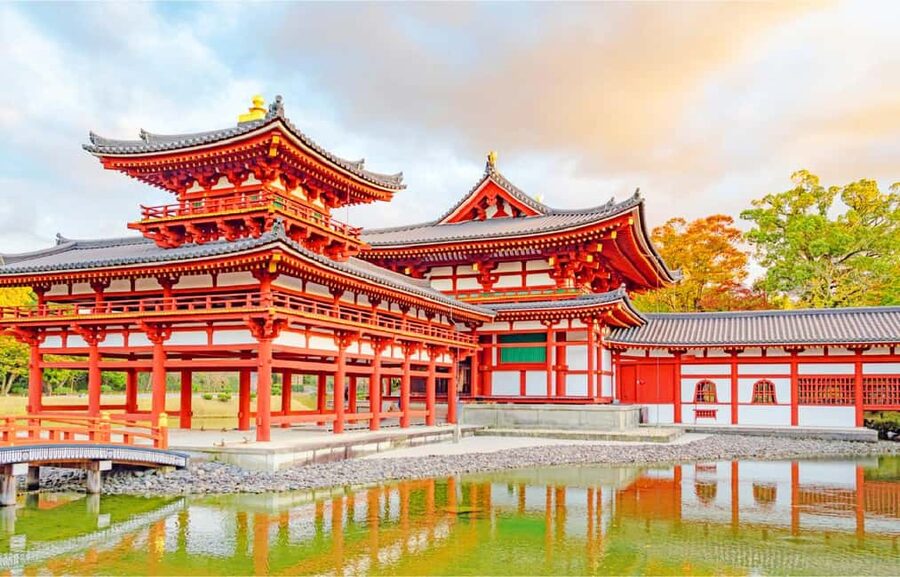
- Choose a cultural stop in Uji: Visit Byodo-in Temple and its pond garden setting, or see the Tale of Genji Museum.
- End at Genji no Yu: Three indoor baths and one outdoor bath offer a quiet hour of Japanese-style bathing, provided you meet the onsen rules.
Why this Osaka day trip works
This is a big day, but it is sensibly built around contrast. Nara gives you open parkland, ancient Buddhist and Shinto sites, and deer wandering through the city. Uji shifts the mood to tea shops, riverside streets, Heian-era culture, and a hot spring.
You meet near Namba and Shinsaibashi at Harimaya Building at 8:40 a.m. The vehicle ride to Nara takes about 70 minutes, and the return trip takes about 80 minutes. That road time is not glamorous, but it saves you from changing trains and working out local buses between several separate sights.
The tour uses an air-conditioned coach or vehicle, though Japanese vehicle seats can be compact. If fewer than 13 people join, the guide may also drive, which means the commentary may be more basic. This is a shared outing with people from different countries, and explanations may be given in English, Japanese, and Traditional Chinese.
More Hot Spring Day Trips in Japan
- From Osaka: Himeji Castle, Arima Onsen & Mt. Rokko Day Tour
★ 4.6 · 339 reviews - Tokyo: Mount Fuji 5th Station & Onsen Day Trip
★ 4.3 · 75 reviews - Private Nagano 1-Day Tour:Snow Monkeys,Zenko-ji,Obuse,Sake,Onsen
★ 5.0 · 71 reviews
Nara Park and the deer beneath Wakakusa Mountain
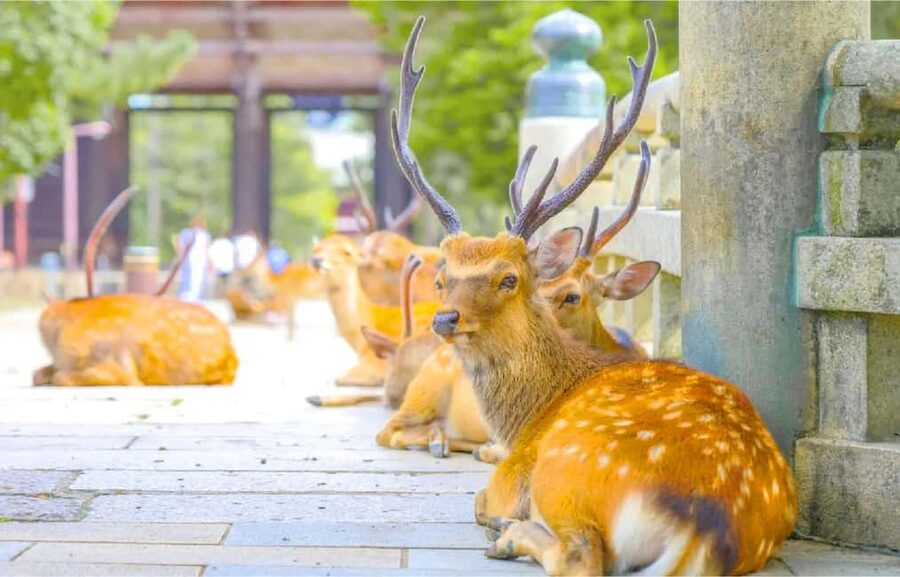
Nara Park is not a small fenced animal area. It is a broad urban park at the foot of Wakakusa Mountain, with deer moving through the trees and around some of Japan’s most important religious buildings.
The tour begins with deer crackers, called shika senbei, handed out at no extra cost. Hold them where the deer can see them and you may soon have a small audience. The deer are used to people, but friendly does not mean perfectly calm. Keep your hands clear after the crackers are gone, and take care around children or anyone uneasy with eager animals.
The maple forest is particularly appealing in autumn, when the trees give the deer a beautiful setting. At other times of year, the park still provides the relaxed outdoor part of the day, but the exact color and atmosphere depend on weather and season.
You have about two hours in Nara for the park and its major sights. That sounds generous until you include walking from the parking area. Wear shoes you can walk in comfortably, since the coach cannot always stop close to each landmark.
The deer are the most playful part of the stop, but do not let them take all your attention. Nara Park works best when you give yourself time to look up from the crackers and notice the shrine approaches, old trees, stone paths, and the way the park blends into the city.
Todai-ji and the Great Buddha
Todai-ji is the main Buddhist highlight of the Nara visit. The temple houses the Great Buddha of Nara, a huge bronze image that makes the building feel even larger once you step inside.
Admission is not included, so carry money for the entrance fee. The tour gives you the chance to see the temple, but this is not a private, slow-paced temple study. You will need to follow the group’s timing and leave room for the other stops.
I would put Todai-ji near the top of your priorities. If your time is tight, see the Great Buddha first, then use any remaining minutes for the surrounding grounds. The scale of the hall and statue gives you something very different from the deer park, and the temple adds real weight to what might otherwise feel like a wildlife outing.
The walk between the parking area and the temple matters here. Comfortable shoes are not a minor suggestion. You may also be walking on uneven paths and standing in busy areas, so this portion can feel tiring in hot or rainy weather.
Kasuga Taisha and its lantern-lined approach

Kasuga Taisha is Nara’s best Shinto counterpoint to Todai-ji. The shrine is known for thousands of bronze and stone lanterns, and the approach through the trees feels more hushed than the deer feeding areas.
The lanterns are not just decoration. Together, they give the shrine a strong visual identity and help you understand why this is one of Nara’s signature places. Look for the stone lanterns along the approach before focusing only on the main buildings.
The schedule does not promise a long, detailed shrine tour, so listen closely when your guide explains where to go. Guides including Etta, Ethan, Liao, Jessica, Lucia, and Watson have been especially appreciated for keeping groups organized and explaining the stops clearly. Guide assignments vary, of course, and a smaller group may receive more basic commentary if the guide is also driving.
Nara can feel rushed if you want to study every building. I would treat this stop as a carefully chosen introduction rather than a complete visit. You see the park, a major Buddhist temple, and a major Shinto shrine in one sweep, but you should not expect the freedom of spending an entire morning at each.
Another pool worth the trip:
- Kyoto: Traditional Concert at Townhouse or Bathhouse
★ 4.9 · 224 reviews - From Tokyo: Private Tour to Fuji/Hakone – Onsen, Art, Nature
★ 5.0 · 116 reviews - Mt. Fuji, Hakone Private Tour from Tokyo – Onsen, Arts and Nature
★ 5.0 · 79 reviews - Snow Monkey & Shibu Onsen Afternoon Tour (Depart: Iiyama & Nozwa)
★ 5.0 · 54 reviews
Uji’s matcha streets and literary connection
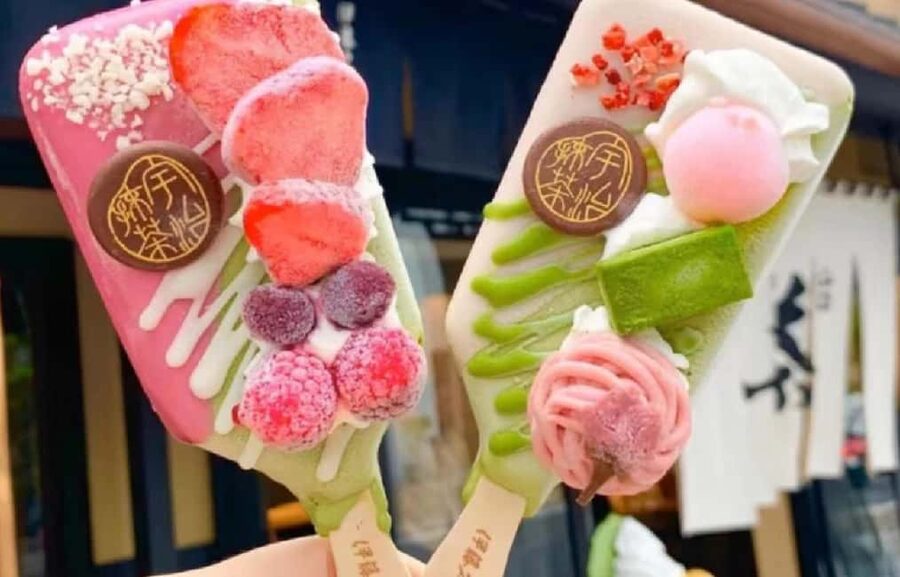
After Nara, the outing moves to Uji, about 90 minutes of sightseeing time. Uji is famous for green tea, and the streets around Byodo-in offer an easy place to try matcha in several forms.
You might find matcha ice cream, cakes, drinks, and even matcha-colored soba noodles. A useful tip from the day’s food recommendations is to try vegetarian soba if you want something more filling than sweets. The tea shops also make Uji a good place to buy matcha souvenirs, though the tour does not include food or shopping costs.
Uji is more than a snack stop. The final ten chapters of The Tale of Genji, one of Japan’s classic novels, are set in the area. That literary link gives the town a cultural angle that many quick day trips miss.
The short schedule means you should decide what matters before leaving the coach. If you want tea snacks and shopping, head for the matcha street. If you want a temple or museum, go directly to your chosen cultural stop. Trying to do every option can turn 90 minutes into a series of hurried photographs.
Byodo-in or the Tale of Genji Museum
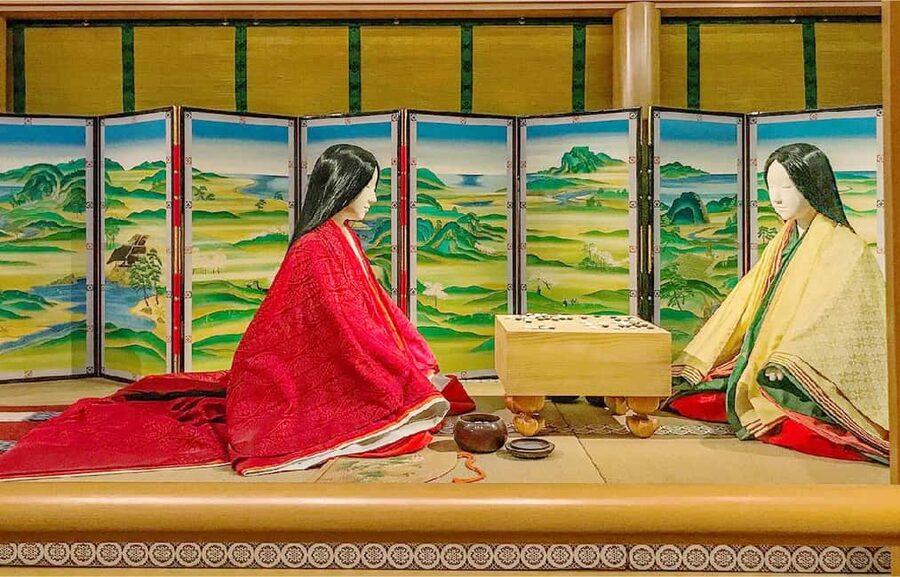
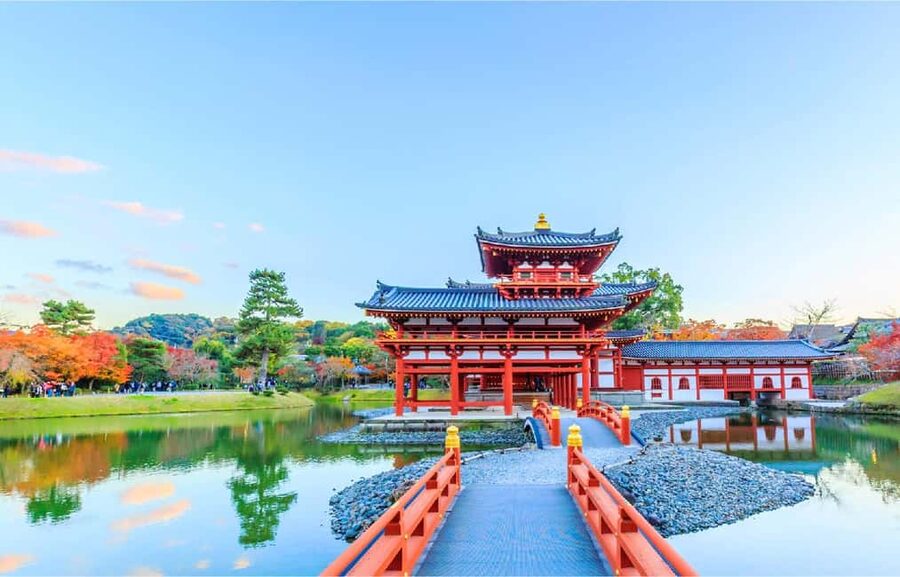
In Uji, you can choose between Byodo-in Temple and the Tale of Genji Museum. Both are worthwhile, but they suit different interests.
Byodo-in is known for its Heian-era pond garden architecture. Its famous setting gives you the classic Uji experience: traditional buildings, water, gardens, and a strong connection to the period associated with The Tale of Genji. Admission is extra, so factor that into the advertised price.
The Tale of Genji Museum takes a more interpretive route. Multimedia displays and high-definition visuals introduce the story and its characters. It may be the better fit if you enjoy literature, exhibitions, and context rather than concentrating on temple architecture.
The wording of the activity presents these as a choice, so do not assume you will have enough time for both. I would choose Byodo-in if this is your first visit to Uji and choose the museum if you already plan to see the temple separately or have a strong interest in Japanese literature.
The Uji stop also includes time for the surrounding streets. That freedom is one of the tour’s strengths. Guides such as Etta were praised for sending location details and food suggestions by WhatsApp, a useful touch when you have to make quick decisions in an unfamiliar area.
Genji no Yu, a quiet finish after a long day
The final stop is Genji no Yu, described as Uji’s only natural hot spring. The water is drawn from 1,111 meters underground, and the facility has three indoor baths and one outdoor bath.
This is a sensible way to end the day. Nara involves a lot of walking, Uji adds more streets and sightseeing, and the hot spring gives you a chance to sit still before the drive back to Osaka. You have about an hour here, which is enough for a straightforward bath but may feel short if you want to use every service at the facility.
Japanese hot springs require a little preparation. You bathe without clothing, and swimsuits are not allowed. If you have tattoos, you may not be admitted, so contact the provider before booking if this applies to you. One person had to skip the hot spring because of tattoos, so this is a genuine booking issue rather than a footnote.
The onsen is not a private bath reserved for your group. You should be comfortable following Japanese bathing customs and sharing the facility with other bathers. If you are new to hot springs, the guide can help explain the basic rules, but allow yourself time to observe what others do.
What $57 includes, and what it does not
At $57 per person, this is good value for a full day if you value convenience. You receive round-trip transfers from the meeting point, an air-conditioned vehicle, a live guide, driver and guide service fees, parking, and taxes.
The price does not include meals, drinks, or admission to Todai-ji, Byodo-in, and the onsen. That means the final cost will be higher, especially if you enter both paid cultural sites or buy lunch and matcha treats.
Still, arranging Nara and Uji independently would require separate train planning, local navigation, and careful timing. The tour’s value is strongest for a first visit to Osaka, a family group that prefers simple transport, or anyone who wants to cover several places in one day.
The value is weaker if you dislike fixed schedules or want long, quiet visits. One person found the time at each destination too short, a fair criticism. You are paying for breadth, not depth.
The guides and the pace
Guide quality matters on a multilingual shared tour. The strongest pattern in the feedback is praise for guides who combine clear instructions with humor and practical help.
Etta received repeated praise for her energy, organization, easy-to-understand English, and useful tips. She also helped people find locations and sent information by WhatsApp. Ethan was described as friendly and helpful with suggestions for spending time at each stop. Liao, Lucia, Jessica, Watson, Nick Lee, Karin, and Jack were also singled out for clear explanations, patience, humor, and good group management.
That said, you cannot choose the guide with certainty unless the operator confirms it. The tour uses multiple languages, so explanations may take longer, and the group may include people with different interests and walking speeds.
Stay aware of the meeting time at each stop. The best way to enjoy this tour is to use the guide’s suggestions, pick your priorities early, and avoid lingering too long at the first shop or deer group.
Who should book this day trip
I would choose this tour if you want a first look at Nara and Uji without managing transport. It suits people who like a full day, several kinds of sights, and a little independent time inside an organized plan.
It is also a good fit if the hot spring appeals to you. Finishing in the bath gives the itinerary a clear rhythm and makes the long day feel more rewarding.
You may want a different plan if you have already visited Nara and want to explore Todai-ji or Kasuga Taisha in detail. Families with very young children should also consider the long coach rides, compact seats, walking distances, and excited deer.
Practical details before you go
Meet at Harimaya Building, 1-chome-3-11 Nipponbashi, Chuo Ward, Osaka, at 8:40 a.m. Arrive at least 15 minutes early and look for the guide holding a yellow flag. Late arrivals and no-shows are not refunded.
Wear comfortable shoes and bring anything you need for a long day outdoors. Weather and traffic can change the schedule, so do not book a tight train connection or another fixed activity immediately after the planned return.
You can cancel up to 24 hours before departure for a full refund, and the reserve-now, pay-later option keeps your plans flexible. The tour is offered with English, Japanese, and Traditional Chinese support.
Should you book it?
Book this if you want Nara’s deer, Todai-ji, Uji’s matcha culture, and a hot spring in one efficient day from Osaka. The price is fair for the transport and guidance, and the mix of independent exploring and group support works well for first-time visitors.
Skip it if your priority is slow temple visits, extended shopping, or a long onsen session. The winning formula here is variety: feed the deer, see the Great Buddha, taste Uji tea, then relax in the bath. You will cover a lot, but you must keep moving.
FAQ
Where does the tour depart from?
The meeting point is Harimaya Building in the Namba and Shinsaibashi area at 1-chome-3-11 Nipponbashi, Chuo Ward, Osaka, 542-0073. Departure is at 8:40 a.m.
How early should I arrive?
Arrive at least 15 minutes before departure. The guide carries a yellow flag, and late arrivals or no-shows are not eligible for a refund.
How long is the tour?
The experience lasts about 10 hours, including the coach journeys between Osaka, Nara, Uji, and the return point.
Are meals and drinks included?
No. Meals and drinks are not included, so budget separately for lunch, matcha treats, snacks, and beverages.
Are temple and hot spring admission fees included?
No. Admission to Todai-ji, Byodo-in Temple, and the Uji onsen is not included in the tour price.
Which languages are available?
Live guide support is available in English, Japanese, and Traditional Chinese. The group may include people from several countries.
Can I feed the deer?
Yes. You receive a complimentary pack of deer crackers at the start of the Nara visit. Be careful because the deer may approach quickly when they see the crackers.
Can I enter the hot spring if I have a tattoo?
You may not be allowed to enter if you have a tattoo. Check with the provider before booking if this applies to you.
Are swimsuits allowed in the hot spring?
No. Japanese-style hot springs require you to bathe without clothing, and wearing clothing is not allowed in the bathing areas.
Freshly added soaks in Japan
- 1-Day Tour from Takayama: Unveiling the Charm of Gero Onsen★ 5.0 · 5 reviews
- Mount Fuji – Hakone & Onsen Full Day Private Tour★ 3.8 · 6 reviews
- Mt. Fuji, Hakone Private Tour from Tokyo – Onsen, Arts and Nature★ 5.0 · 79 reviews
- Osaka: Tennen Onsen Naniwa-no-Yu, the famous hot spring spa★ 4.7 · 19 reviews
- Osaka: Solaniwa Onsen Hot Spring Visit★ 4.6 · 51 reviews
- Himeji Castle, Arima Onsen & Mt. Rokko: 1-Day Bus Tour from Osaka★ 4.0 · 28 reviews
- 1-Day Winter Tour From Nozawa Onsen: Snow Monkeys, Zenko-ji Temple & Sake★ 5.0 · 32 reviews
- Snow Monkey Park, Soba Lunch and Shibu Onsen Tour★ 5.0 · 12 reviews
Hot Spring Day Trips, compared.
Krakow to Zakopane: Funicular, Tasting and Thermal Baths Day Trip
Read our review →
Zakopane Snowmobiles, Bonfire & Hot Springs Day Tour
Read our review →
Golden Circle Day Tour with optional Blue Lagoon
Read our review →
More soaks worth the detour