
REVIEW · JAPANESE ONSEN TOURS
Private Nagano 1-Day Tour:Snow Monkeys,Zenko-ji,Obuse,Sake,Onsen
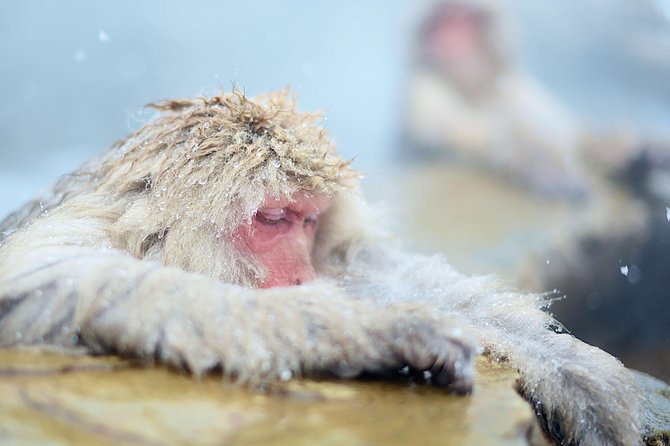
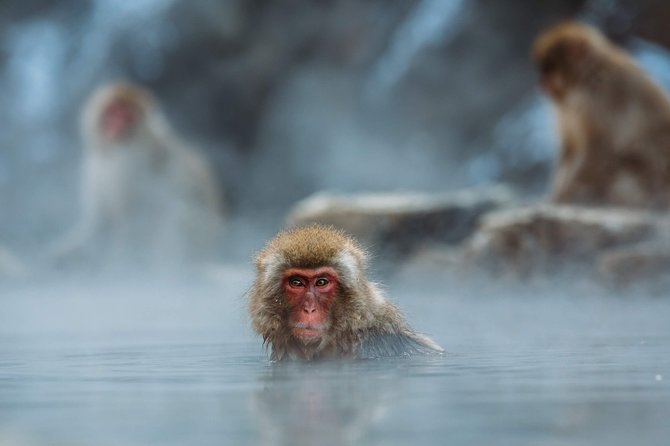
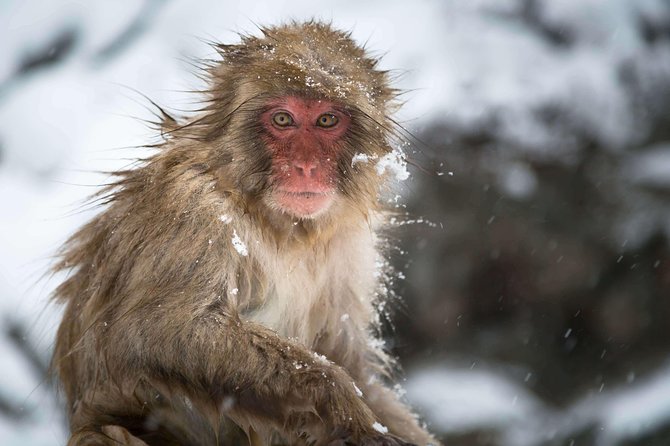
The main event here is Jigokudani Snow Monkey Park, where Japanese macaques wander freely and may soak in a natural hot spring. You also get Nagano’s essential cultural sights in one day: Zenko-ji Temple, Obuse’s chestnut and sake traditions, and the Hokusai Museum.
I like the private format, since guides such as Hori, Mutsumi, and Fumiko have adjusted the pace, added food stops, and handled special requests. I also like the choice of transport. A private vehicle saves time, while public transport costs less and keeps the day closer to ordinary local travel. The main caution is seasonal: warm weather can mean monkeys grooming or roaming instead of bathing.
Key points at a glance
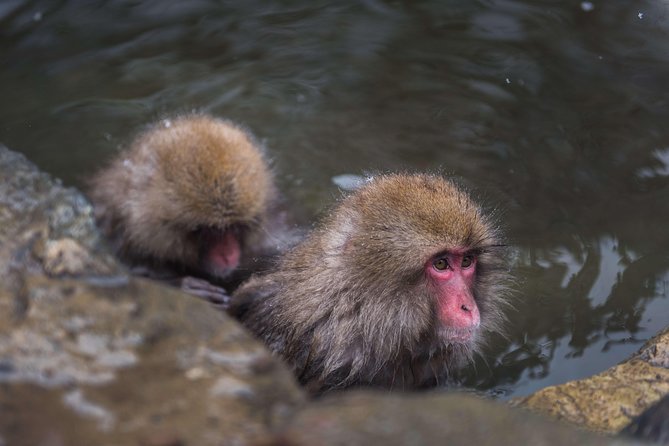
- Snow monkeys in their natural setting: Reach the park after a forest walk and watch Japanese macaques at close range, though bathing is never guaranteed.
- A useful private guide: Guides including Hori, Mutsumi, Emi, Toru, and Fumiko have helped shape the day around food, family needs, walking pace, and special interests.
- Four different Nagano experiences: Combine nature at Jigokudani, religion at Zenko-ji, old-town culture in Obuse, and Japanese art at the Hokusai Museum.
- Private car or public transport: The vehicle option covers more ground and includes pickup within 10 kilometers of Nagano Station. The public transport option begins at the station.
- Local food is part of the fun: Plan to pay separately for lunch, then consider soba, ramen, tonkatsu, chestnut sweets, Mont Blanc desserts, sake, or an onsen.
- Allow for a real walking day: Comfortable shoes matter, especially on the path to the monkey park and during cold or icy weather.
Why this Nagano day works so well
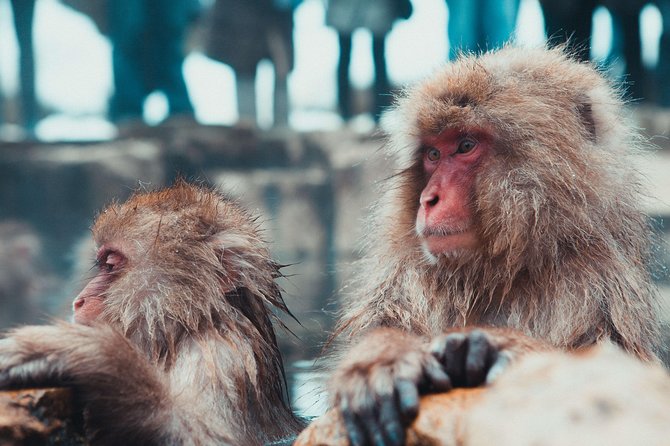
Nagano has more than one headline attraction. The famous monkeys are the easy hook, but the day becomes much more worthwhile when you add Zenko-ji and Obuse. You move from forest and hot springs to Buddhist worship, local food, and Japanese art without needing to arrange several separate outings.
At roughly eight hours, this is a full day rather than a quick photo stop. That matters because Jigokudani is not beside Nagano Station. You need time for transport, the walk into the park, the temple, lunch, and Obuse. A private guide also gives you someone to explain what you are seeing instead of leaving you to connect the pieces yourself.
The price is $337.61 per person. That is a serious cost for one day, especially since entrance fees, food, drinks, and an onsen are extra. But the value improves for a small group that would otherwise pay for separate taxis, train connections, and local planning. The vehicle option is especially useful if you want to fit the monkeys, temple, Obuse, and museum into one schedule.
More Hot Spring Day Trips in Japan
- From Osaka: Himeji Castle, Arima Onsen & Mt. Rokko Day Tour
★ 4.6 · 339 reviews - Osaka: Nara and Uji Day Trip with Deer Park and Hot Spring
★ 4.4 · 302 reviews - Tokyo: Mount Fuji 5th Station & Onsen Day Trip
★ 4.3 · 75 reviews
Jigokudani Snow Monkey Park: the day’s big draw
The approach to Jigokudani is part of the experience. You walk through a wooded route before reaching the area where Japanese macaques gather. In March, the path can be icy, so good shoes are more than a suggestion. You need a moderate level of fitness and should be ready for a fair amount of walking.
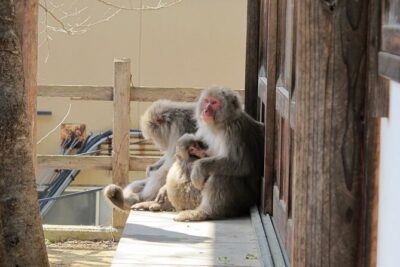
The monkeys are wild animals. They are accustomed to people being nearby, but they are not performers waiting on command. In winter, cold conditions make bathing more likely. From March onward, snow begins to melt, and on warm sunny days the macaques may spend more time grooming, moving around, or resting outside the pool.
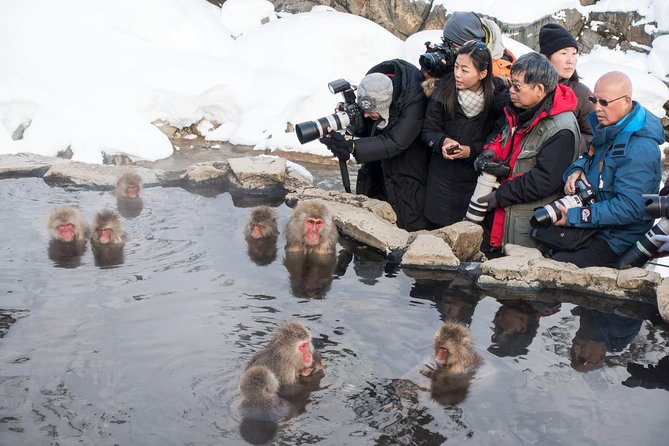
The park staff may provide food, which can draw the monkeys toward the bathing area. Even then, you cannot count on a dramatic soaking scene. You might see monkeys in the hot spring, or you might see them close by on the ground and among the rocks. The setting and behavior remain interesting either way, and the walk through the forest gives the visit more substance than a quick animal display.
Guides have helped with practical details here. Hori has answered questions about the park and arranged strong photo opportunities. One guide even moved an overly aggressive monkey away from the group, a reminder that local support is useful around animals. Your guide can also help you spend enough time at the park without letting the first stop swallow the entire day.
Animal lovers will probably rate this as the highlight. The macaques can come remarkably close, and you can watch their social behavior at your own pace. If you are booking mainly for snow-covered monkeys soaking in steam, choose winter if possible and accept that nature still makes the final decision.
Zenko-ji Temple and the center of Nagano
Zenko-ji is not a minor add-on. Built in the seventh century, the temple helped shape Nagano itself, with the modern city growing around it. Its grounds provide a strong contrast to the wild setting at Jigokudani.
You have about an hour here. That is enough to see the main temple area and hear about its religious importance, though it is not enough for a slow, detailed study of every part of the complex. Admission to the temple is not included, so check the cost when planning your spending.
This is where a private guide earns much of the fee. A guide can explain why the temple matters to Nagano and point out details you might otherwise pass without notice. The setting is broad, peaceful, and impressive, but the meaning behind it gives the stop weight.
If you choose the public transport option, the day begins at Nagano Station and includes two attractions within Nagano City. If you want the fullest route, the private vehicle option allows three attractions within the city area. Confirm your selected option carefully, since the number of included stops differs.
Obuse: chestnuts, sake, and a slower pace
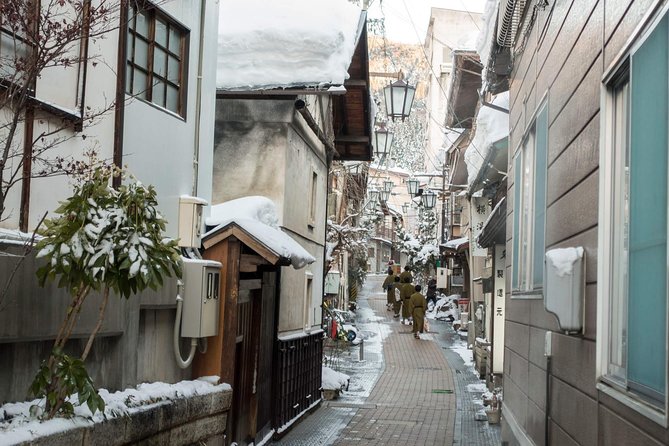
Obuse is a small historic town with a gentler rhythm than Nagano City. The schedule allows about two hours, which is enough to walk around, eat lunch, and choose a local activity.
Food is a strong reason to spend time here. Guides have recommended soba, ramen, tonkatsu, udon, and seasonal sweets. Chestnut ice cream and Mont Blanc desserts have been particular favorites, and the town gives you a chance to try local flavors rather than relying on standard sightseeing meals.
Sake tasting is another option. It is not included in the price, and the exact experience depends on the choices made through the tour form, but Obuse gives the day a distinctly local finish. You can also choose an onsen, though the bathing fee is extra. If you are interested in Japanese food and drink, this may be the part of the schedule that turns a standard sightseeing day into a more personal one.
Obuse is not huge. You can see its main sights in half a day, and some people may find two hours ample. That is not a flaw, but it helps set expectations. This is a pleasant town stop, not an all-day historical district.
The private format makes Obuse flexible. Guides have taken families to strawberry and cherry farms when seasonal conditions allowed, and they have adjusted lunch choices to suit the group. These extras are not guaranteed, but they show why you should explain your interests before the tour date.
More Onsen Tours in Japan:
- From Tokyo: Private Tour to Fuji/Hakone – Onsen, Art, Nature
★ 5.0 · 116 reviews - Mt. Fuji, Hakone Private Tour from Tokyo – Onsen, Arts and Nature
★ 5.0 · 79 reviews - Snow Monkey & Shibu Onsen Afternoon Tour (Depart: Iiyama & Nozwa)
★ 5.0 · 54 reviews - Osaka: Solaniwa Onsen Hot Spring Visit
★ 4.6 · 51 reviews
Hokusai Museum and the art connection
The Hokusai Museum takes about an hour and gives Obuse a strong cultural angle. It focuses on the renowned artist Hokusai and is a natural choice if you like Japanese art, prints, or the story of how artists worked in regional towns.
Admission is not included. The museum also uses valuable time, so you may need to choose between a longer lunch, an onsen, sake tasting, or a slower walk around Obuse. Tell your guide what matters most to you at the start of the day.
For art lovers, the museum is a good balance after the outdoor monkey park. For young children, it may be less compelling than the animals or food stops. Families can still enjoy it, but the visit should match the group’s attention span.
Private transport, walking, and timing
The tour starts at 8:45 a.m. at Nagano Station unless you select the private vehicle option and qualify for hotel pickup. Pickup and drop-off are available from selected hotels in central Nagano, while the vehicle option covers hotels within a 10-kilometer radius of Nagano Station.
Transportation is one of the biggest choices you make. Public transport can be a good fit if you want a lower-key day and are comfortable starting at the station. The private vehicle option is more efficient for a packed schedule and easier for families, older adults, or anyone who does not want to manage connections.
The tour ends back at the meeting point. It operates in all weather, so pack for the season. Cold weather at the park, rain on the walking route, and slippery conditions in March can change how comfortable the day feels.
You should also give accurate names and ages for every person booking. A passport is required on the day, and children must be accompanied by an adult. Every person needs a booking, with adult pricing applying from ages 12 to 99, child pricing from 6 to 11, and young child pricing from 1 to 5. At least one person in a private group must be 18 or older.
What the private guide adds
The guide is not just a person who points toward the next stop. The strongest part of the experience is the ability to ask questions and change the emphasis of the day.
Hori has been praised for regional knowledge, family-friendly pacing, and help with photos. Mutsumi has shaped the route around the group’s interests. Fumiko has adjusted walking speed and assistance for older visitors. Other guides, including Emi, Toru, Hitomi, WeiWei, and Ilhom, have helped with food choices, translation, farms, and local explanations.
That variety matters because this is not a fixed bus tour. You can spend longer with the monkeys, ask for a particular lunch, or give more time to the temple. Translation software may be used when needed, so communication can remain practical even when English ability varies within your group.
The guide does not remove every limitation. Eight hours is still only eight hours, and optional stops can crowd the schedule. Be clear about your priorities before departure: monkeys, temples, food, art, sake, or an onsen. You will get more from the day by choosing two or three priorities instead of trying to give equal time to everything.
Price, included costs, and booking details
At $337.61 per person, this is best viewed as a private transport and guiding service, not an all-inclusive sightseeing ticket. The guide, selected hotel pickup and drop-off, and transport within Nagano are included. Entrance fees to Zenko-ji and Jigokudani are not.
You also pay for lunch, drinks, optional activities, and any onsen visit. Sake tasting and museum admission may add to the bill. Keep extra yen available for these choices.
The experience is often booked well ahead, with an average booking time of 58 days before departure. The operator recommends booking about three months ahead, or at least one month before the date. Custom arrangements requested fewer than seven days in advance may not be possible.
After booking, you receive a Nagano form asking for information needed to organize the day. Complete it at least seven days before departure. If train tickets are arranged for you, the operator needs your Tokyo hotel name, the booking guest’s name, confirmation number, and dates of stay.
Pay close attention to the cancellation rules. A 25 percent fee applies within 30 days, 50 percent within 21 days, and 100 percent within 14 days. The experience is also described as non-refundable and unable to be changed for any reason, so confirm your plans before paying.
Who should book this Nagano tour?
I would choose this for a first visit to Nagano, a short stay, or a small group that wants the main sights without managing every train, bus, and admission detail. It is also a strong choice for families, since the private guide can adjust the pace and food stops.
Animal lovers should put this high on the list, but only if they understand that monkey bathing is seasonal and never guaranteed. Art fans will appreciate the Hokusai Museum, while food lovers can build the day around soba, chestnuts, sake, and an optional onsen.
I would hesitate if you want a cheap independent day or dislike a tightly timed schedule. You may also prefer to visit Jigokudani separately if your main goal is to wait patiently for monkeys in winter conditions.
Should you book it?
Book this tour if you want Nagano’s nature and culture in one day, value direct access to a private guide, and are willing to pay extra for admission and food. The best version of the day uses a private vehicle, starts early, and sets clear priorities with the guide.
Before booking, check the season, your walking ability, the pickup area, and the final cost after entrance fees. If you accept the wild-animal uncertainty and the full-day pace, this is an efficient and unusually personal way to see Nagano.
FAQ
How long does the private Nagano tour last?
The tour lasts approximately eight hours and begins at 8:45 a.m. It ends back at the meeting point.
Where does the tour start?
The standard meeting point is Nagano Station. The private vehicle option can include pickup from selected hotels within a 10-kilometer radius of Nagano Station.
Are the entrance fees included?
No. Entrance fees for Jigokudani Snow Monkey Park and Zenko-ji Temple are not included. Hokusai Museum admission is also not included.
Is lunch included?
No. Food and drinks are purchased separately. The schedule includes time for lunch in Obuse, where you might choose local dishes such as soba, ramen, or tonkatsu.
Will I definitely see the snow monkeys bathing?
No. The monkeys are wild, and bathing is not guaranteed. In warmer months, they may groom, move around, or stay out of the hot spring. Winter generally offers better conditions for seeing them bathe.
Can I choose public transport instead of a private vehicle?
Yes. The public transport option begins at Nagano Station and includes visits to two attractions within Nagano City. The private vehicle option includes visits to three attractions within Nagano City.
What should I bring?
Bring a current valid passport, comfortable walking shoes, and clothing suitable for the weather. The tour operates in all weather, and the route to the monkey park can be icy in March.
More Sake Tastings in Japan
Freshly added soaks in Japan
- 1-Day Tour from Takayama: Unveiling the Charm of Gero Onsen★ 5.0 · 5 reviews
- Mount Fuji – Hakone & Onsen Full Day Private Tour★ 3.8 · 6 reviews
- Mt. Fuji, Hakone Private Tour from Tokyo – Onsen, Arts and Nature★ 5.0 · 79 reviews
- Osaka: Solaniwa Onsen Hot Spring Visit★ 4.6 · 51 reviews
- Himeji Castle, Arima Onsen & Mt. Rokko: 1-Day Bus Tour from Osaka★ 4.0 · 28 reviews
- Osaka: Tennen Onsen Naniwa-no-Yu, the famous hot spring spa★ 4.7 · 19 reviews
- 1-Day Winter Tour From Nozawa Onsen: Snow Monkeys, Zenko-ji Temple & Sake★ 5.0 · 32 reviews
- Snow Monkey Park, Soba Lunch and Shibu Onsen Tour★ 5.0 · 12 reviews
Japanese Onsen Tours, compared.
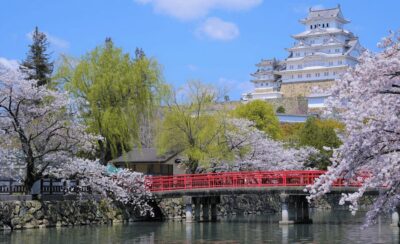
Himeji Castle, Arima Onsen & Mt. Rokko Day Tour
Read our review →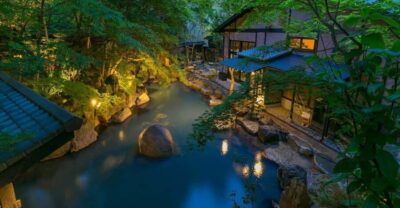
Private Tour to Fuji/Hakone – Onsen, Art, Nature
Read our review →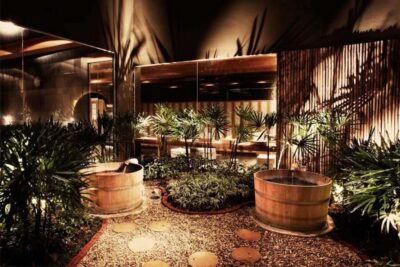
All-Day Pass to Yunomori Sathorn Onsen Bath and Spa
Read our review →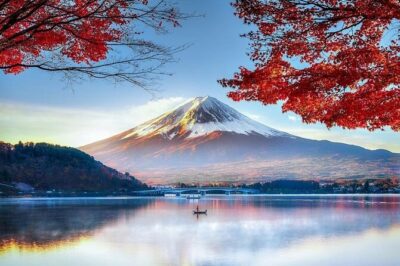
Mt. Fuji, Hakone Private Tour from Tokyo – Onsen, Arts and Nature
Read our review →
Snow Monkey & Shibu Onsen Afternoon Tour (Depart: Iiyama & Nozwa)
Read our review →More soaks worth the detour