
REVIEW · JAPANESE ONSEN TOURS
Hot Spring Beppu Onsen with Blue Hell cozy Tour by Car and walk
Beppu’s best trick is that you do not just look at hot springs here. You see steam rising from streets, gardens, cooking pots, and bathhouses. This roughly three-hour tour links the blue waters of Umi Jigoku with Kannawa’s old steam-filled streets, using a local guide and a short car ride to keep the outing easy.
I like the flexible format, especially if you want to choose between food, photographs, shrines, cafes, or a bath. I also like the chance to try Jigoku Mushi, Beppu’s steam-cooked food, instead of treating the hot springs as scenery only. The main caution is cost: the advertised price does not include entrance fees, snacks, or taxi transport, and the two main admissions add about $20 per person.
Key points at a glance
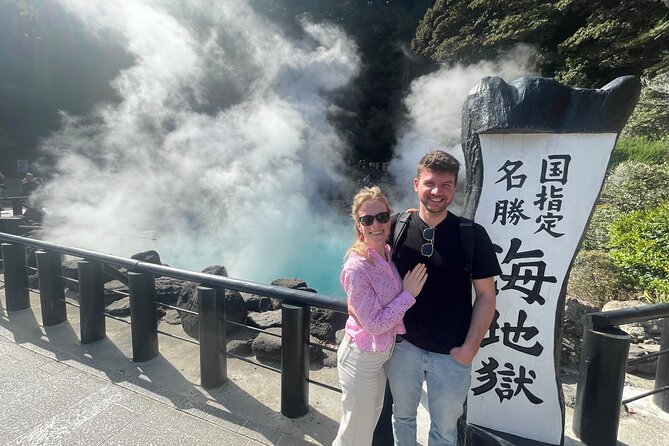
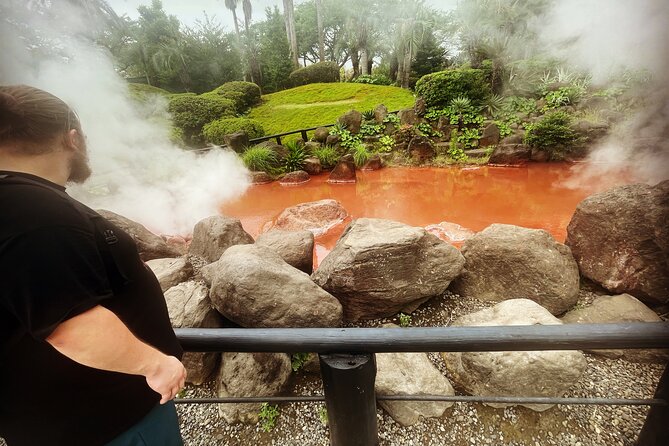
- Blue water at Umi Jigoku: See a cobalt-blue hot spring, a Japanese garden, a red spring, a cafe, and a souvenir shop.
- Steam cooking in Kannawa: Try food cooked by natural hot-spring steam, a distinctly Beppu way to eat.
- Optional bathing: A steam bath or private onsen bath can make the outing more hands-on, but admission costs extra.
- Small private transport: Up to three people can ride in a Volkswagen up! Larger groups use a taxi and pay more.
- A flexible local guide: The route can lean toward food, photography, relaxation, shrines, cafes, or sound meditation by request.
- Useful guide support: Guide Kana has helped with photos, local meals, and transport back toward the cruise port.
Why Beppu’s hot springs are more than a bath
Beppu is one of Japan’s major hot-spring towns, but this is not simply a soak-and-go outing. The volcanic heat appears in public baths, steaming vents, cooking kitchens, and springs colored by minerals. Kannawa is the area where that connection feels most immediate.
You will meet at Umi Jigoku, next to Cafeteria Umi, then move through the Kannawa area on foot and by car. The route finishes at Hyotan Onsen, a useful ending point because you can continue with dinner or spend more time in the hot-spring district.
The experience is private for your group according to the booking details, although the description also notes that it may be shared if other people join. If privacy matters, ask for confirmation before booking. Solo guests pay the two-person rate, so this tour makes better financial sense for two or three people sharing the experience.
The guide speaks English and can adjust the pace and focus. You might spend more time taking pictures at Umi Jigoku, sample steam-cooked food, visit a shrine, or arrange a bath. Sound meditation is available on request, and vegan or vegetarian choices can be arranged.
More Onsen Tours in Japan:
- From Osaka: Himeji Castle, Arima Onsen & Mt. Rokko Day Tour
★ 4.6 · 339 reviews - From Tokyo: Private Tour to Fuji/Hakone – Onsen, Art, Nature
★ 5.0 · 116 reviews - Mt. Fuji, Hakone Private Tour from Tokyo – Onsen, Arts and Nature
★ 5.0 · 79 reviews
Starting at Umi Jigoku’s blue spring
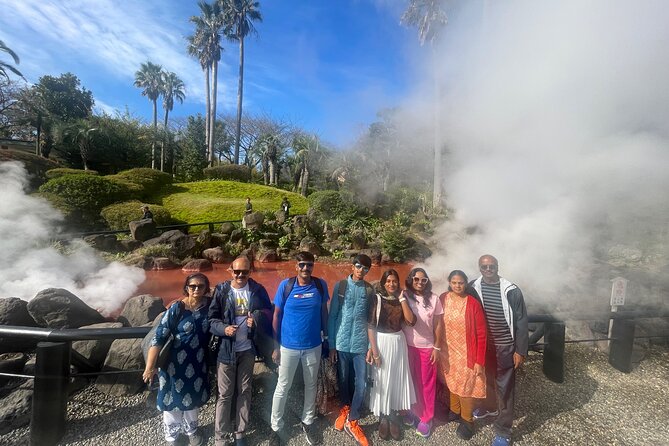
Umi Jigoku is the visual star of the outing. Its water is a striking cobalt blue, and it bubbles up naturally within a landscaped garden. The color gives the spring a calm look, though the heat beneath it is anything but gentle. This is a place to view, not enter.
Allow about 30 minutes here. That is enough for photographs and a walk through the garden, though you may want longer if you enjoy plants, small details, or browsing. The site also has a red hot spring, a souvenir shop, and a cafe, so you are not limited to one viewpoint.
The garden helps make the stop more than a quick photograph. It gives you a slower introduction to Beppu’s hot-spring culture before the more active parts of the tour. If you arrive hungry, remember that snacks are not included. The cafe may be useful, but any purchases are your responsibility.
Admission to the hells, including Umi Jigoku, is not included. The stated cost is about $10 per person. That matters when you compare the tour price with a self-guided visit. You are paying not only to see the spring, but also for the guide, the local route, transport within the stated arrangement, and help shaping the rest of the visit.
Walking through steam-filled Kannawa
Kannawa Onsen gives the tour its strongest sense of place. Steam rises around the town, and the streets connect bathhouses, food stops, and small local sights. This is where you see how residents use hot-spring heat as part of daily life rather than as a display made only for sightseers.
The walking section is valuable because a car alone would miss the texture of the district. You can pause for photographs, notice the steam vents, and take in the compact streets at a human pace. The guide can point you toward a shrine, a cafe, or another scenic stop if that suits your interests.
The route is not presented as a fixed checklist. That is good if you already know what you want. You can tell the guide that food matters most, or that you prefer a quiet bath and fewer stops. It is less ideal if you want a tightly scheduled tour with every minute fixed in advance.
The recommended start times are 10:00 AM and 2:00 PM, but the start is flexible if you request another time. A morning departure leaves more of the day open afterward. The afternoon option may work better if you want to pair the tour with dinner in Kannawa.
Trying Jigoku Mushi, Beppu’s steam-cooked food
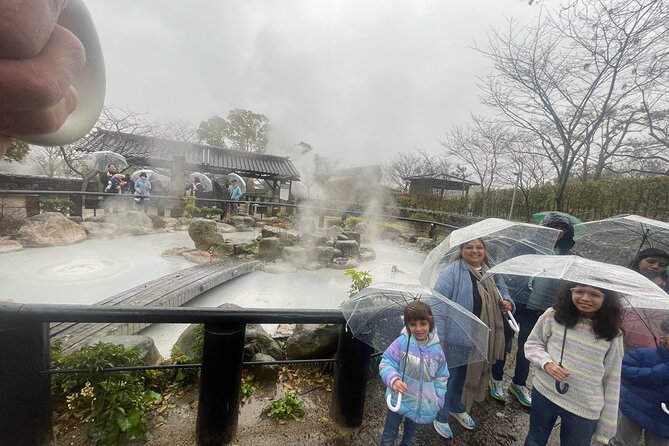
Jigoku Mushi means food cooked by hot-spring steam. It is one of the most distinctive parts of a Beppu visit because the heat is not hidden behind pipes or machinery. Steam rises from the same hot-spring system that shapes the town’s baths.
The food stop is planned for about 30 minutes. The experience is simple and direct: use the steam, eat the food, and enjoy the local method. The tour information describes the food as popular and tasty, but snacks are not included in the price, so budget separately.
This stop can be a strong reason to book the tour if you want more than sightseeing. A guide is useful here because the cooking method is part of the story, not just something to photograph. You can also ask about vegan or vegetarian options before the tour.
Do not assume every food choice is included or guaranteed. The route is flexible, and food arrangements may depend on what you request. If Jigoku Mushi is your main goal, say so when booking and confirm what you will pay on the day.
More Hot Springs and Thermal Baths in Japan:
- Osaka: Nara and Uji Day Trip with Deer Park and Hot Spring
★ 4.4 · 302 reviews - Kyoto: Traditional Concert at Townhouse or Bathhouse
★ 4.9 · 224 reviews - Tokyo: Mount Fuji 5th Station & Onsen Day Trip
★ 4.3 · 75 reviews - Private Nagano 1-Day Tour:Snow Monkeys,Zenko-ji,Obuse,Sake,Onsen
★ 5.0 · 71 reviews
The steam bath and the choice to soak
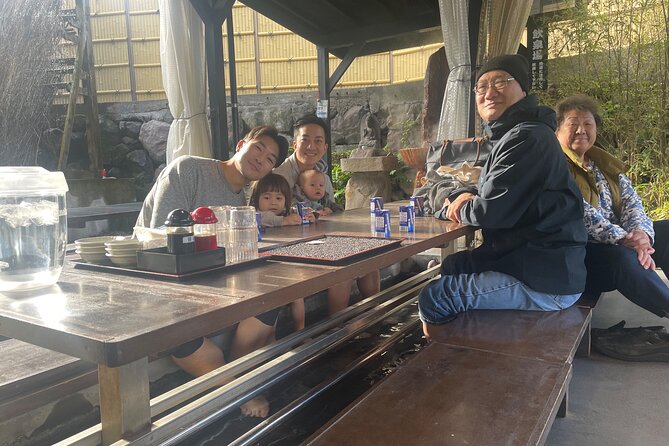
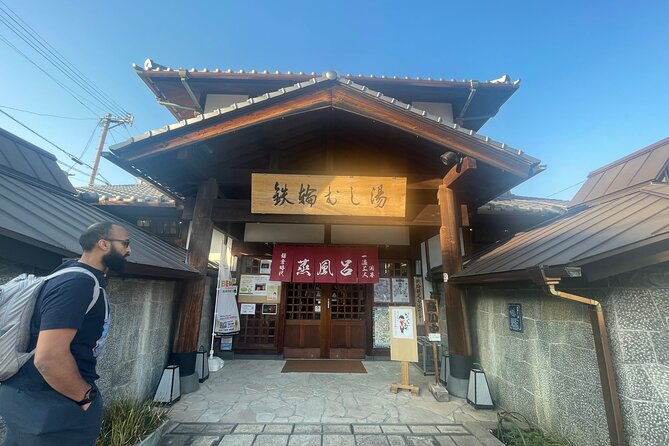
The tour includes a possible steam bath experience at Kannawa Steam Bath, with about 30 minutes set aside. This is a rare kind of bath in which hot spring steam warms the body. It is different from sitting in a pool of hot water and may appeal to you if you want a distinctly local bathing experience.
Admission is not included and is listed at about $10 per person. Bring that extra cost into your planning. The supplied details also describe a private onsen bath as an optional experience, so ask the guide which bathing option is available for your chosen time and what it costs.
A bath changes the practical rhythm of the outing. You will want to consider what you carry, how comfortable you are changing during a short tour, and whether you prefer to stay dry for photographs and food. The itinerary also mentions Japanese sweets after taking a bath, offering a gentle way to finish the soak.
The end point is Hyotan Onsen, at 159-2 Kannawa. That makes sense for anyone who wants to continue bathing or find dinner nearby. The tour does not include dinner, so treat the end point as a convenient handoff rather than part of the paid meal service.
Japanese sweets after the bath
The sweets stop is a small but pleasant detail. After heat and steam, a traditional Japanese sweet gives the outing a lighter pause. It also keeps the tour from feeling like a string of technical explanations about water temperature and volcanic activity.
The information provided does not name the sweet or promise a particular shop. You should therefore view this as a possible part of the flexible route rather than a guaranteed tasting menu. Confirm the exact plan if sweets are important to you.
This is also where the guide’s role matters. A local guide can help you decide how much time to spend bathing, eating, or walking. One guide, Kana, has also helped with photographs and taken people to a local restaurant, which suggests the experience can extend beyond the basic spring stops when timing allows.
How the car arrangement affects the tour
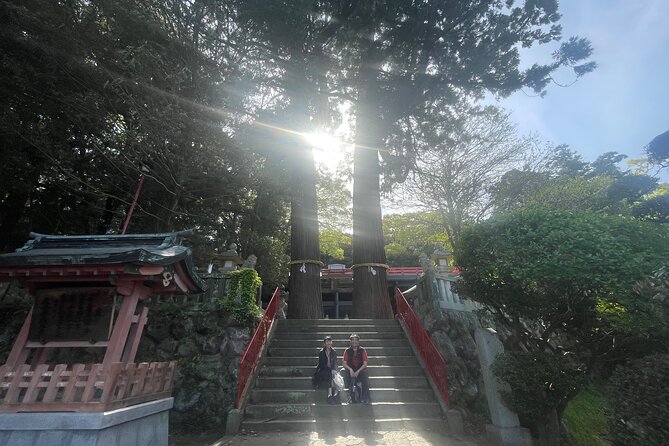
Up to three people can ride in a Volkswagen up! The small car suits a couple or a compact family group, and it keeps the private transport arrangement simple. You will still walk through Kannawa, but the car reduces the need to organize every transfer yourself.
Groups of four or more use a taxi at extra cost. The tour price does not include private taxi transport, so a larger party should ask how the fare will be handled before the day begins. This is one reason the experience is best suited to one or two people, or a group of three.
The meeting point is Umi Jigoku, and the tour finishes at Hyotan Onsen. Transport to the starting point is not described as included. If you are arriving from a cruise ship port or another part of Beppu, plan that first transfer separately. A guide may help with onward transport, but do not assume it is covered by the listed price.
What the $66.72 price really covers
The advertised price is $66.72 per person. It includes an in-person English-speaking guide, but not snacks, entrance to the hells, Kannawa Steam Bath admission, insurance, or taxi transport when needed.
For a typical two-person booking, add about $10 each for the hells and $10 each for the steam bath if you choose both. That puts the basic admission total at about $20 per person beyond the tour price, before food or extra transport. The final cost can therefore be notably higher than the headline figure.
The value depends on what you want help with. If you only want to see Umi Jigoku, a self-guided visit may cost less. If you want a local person to connect the blue spring, Kannawa’s steam culture, food, bathing, photos, and dinner plans, the guide may justify the difference.
The pricing also needs extra care for solo visitors. The two-person rate applies if you book alone. A single person should compare the total against a private taxi, admissions, and a self-guided visit before deciding.
Who will get the most from this outing
I would choose this tour if you want a compact introduction to Beppu and prefer a flexible conversation over a fixed bus route. It suits couples, small groups, first-time visitors, and anyone who wants help choosing between food, baths, and photographs.
It is also a good match for cruise passengers with limited time. The guide may assist with transport and can help you make the most of a short window, though you must arrange and pay for any required taxi separately.
Vegetarians and vegans should ask for their preferences in advance. The tour can offer those options, but the exact food is not specified. The same advice applies to sound meditation, a private bath, or a particular cafe.
You may want another plan if you dislike extra charges, want a fully inclusive price, or prefer a large group with a fixed schedule. The flexible format is useful, but it means you need to communicate your priorities.
Timing, seasons, and practical planning
Autumn and winter are identified as the best seasons for this experience. The steam should be especially appealing when the air is cooler, and the hot-spring setting naturally fits a chilly day. The tour lasts about three hours, though optional stops and your chosen focus may affect the pace.
Wear comfortable clothing and shoes suitable for walking. The route includes outdoor movement through Kannawa, a bath option, and time around hot steam. The supplied details do not list a dress code or provide a packing list, so keep your belongings manageable if you plan to bathe.
Mobile tickets are available, and booking confirmation is provided at the time of booking. Most people can participate, and service animals are allowed. The cancellation policy is simple: cancel at least 24 hours before the local start time for a full refund. Changes or cancellations inside that window are not accepted and are not refunded.
Should you book this Beppu onsen tour?
Book it if you want local guidance and choice, not just a ticket to a hot spring. The blue Umi Jigoku, steam-cooked food, Kannawa walk, bathing option, and sweets create a varied three-hour introduction to Beppu.
Before paying, confirm the exact bathing plan, transport cost, and food arrangements. The tour is strongest for two or three people who want a personal route and are happy to pay admissions separately. If you only need a quick look at the blue spring, save the guide fee and go independently. If you want Beppu’s steam culture explained and shaped around your interests, this is a sensible small-group option.
FAQ
How long does the tour last?
The experience lasts approximately three hours.
Where does the tour begin?
It begins at Umi Jigoku, at 559-1 Kannawa, Beppu, Oita 874-0045, Japan, next to Cafeteria Umi.
Where does the tour finish?
The tour ends at Hyotan Onsen, at 159-2 Kannawa, Beppu, Oita 874-0042, Japan.
What is included in the tour price?
An in-person English-speaking tour guide is included.
Is admission to Umi Jigoku included?
No. Admission to the hells is not included and is listed at $10 per person.
Is Kannawa Steam Bath admission included?
No. Admission to Kannawa Steam Bath is listed separately at $10 per person.
Is food included?
No. Snacks are not included. Jigoku Mushi and other food purchases require separate payment.
How many people can ride in the tour car?
Up to three people can ride in a Volkswagen up! Groups of four or more use a taxi at extra cost.
Can I choose the tour start time?
The start time is flexible if requested. The recommended times are 10:00 AM and 2:00 PM.
Can I cancel for a full refund?
Yes. You can cancel at least 24 hours before the local start time for a full refund. Cancellations or changes made within 24 hours are not refunded.
Freshly added soaks in Japan
- 1-Day Tour from Takayama: Unveiling the Charm of Gero Onsen★ 5.0 · 5 reviews
- Mount Fuji – Hakone & Onsen Full Day Private Tour★ 3.8 · 6 reviews
- Mt. Fuji, Hakone Private Tour from Tokyo – Onsen, Arts and Nature★ 5.0 · 79 reviews
- Himeji Castle, Arima Onsen & Mt. Rokko: 1-Day Bus Tour from Osaka★ 4.0 · 28 reviews
- Osaka: Tennen Onsen Naniwa-no-Yu, the famous hot spring spa★ 4.7 · 19 reviews
- Osaka: Solaniwa Onsen Hot Spring Visit★ 4.6 · 51 reviews
- 1-Day Winter Tour From Nozawa Onsen: Snow Monkeys, Zenko-ji Temple & Sake★ 5.0 · 32 reviews
- Snow Monkey Park, Soba Lunch and Shibu Onsen Tour★ 5.0 · 12 reviews
Japanese Onsen Tours, compared.
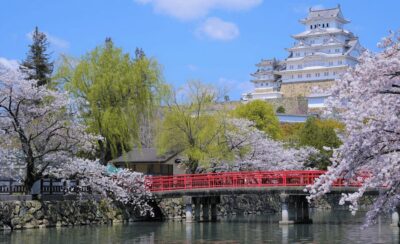
Himeji Castle, Arima Onsen & Mt. Rokko Day Tour
Read our review →
Private Tour to Fuji/Hakone – Onsen, Art, Nature
Read our review →
All-Day Pass to Yunomori Sathorn Onsen Bath and Spa
Read our review →
Mt. Fuji, Hakone Private Tour from Tokyo – Onsen, Arts and Nature
Read our review →
Private Nagano 1-Day Tour:Snow Monkeys,Zenko-ji,Obuse,Sake,Onsen
Read our review →
More soaks worth the detour