
REVIEW · OSAKA HOT SPRINGS
Osaka: Nara, Todaiji, Uji Matcha, and Hot Spring Tour
Nara’s sacred deer, the huge bronze Buddha at Tōdai-ji, Uji matcha, and a hot spring bath make this a busy but appealing day out from Osaka. You get several of Japan’s best-known sights without arranging separate trains, buses, and reservations.
I like the wide mix of experiences, from Shinto lanterns and Buddhist art to tea and bathing. I also like the included round-trip transport and small maximum group of 15, which can save you a lot of planning.
The main drawback is time. An 8 to 9-hour day includes long transfers and several stops, so you may need to choose between lingering with the deer, entering every temple, and taking a proper tea break.
Key points to know before booking
- Sacred deer in Nara Park: You get about 1 hour 20 minutes in the park, enough for a close look at the deer and a walk toward the temples.
- The Great Buddha is not included: Tōdai-ji admission is extra, so carry additional money if you want to enter the main hall.
- Three Nara sights in one morning: The schedule includes Nara Park, Tōdai-ji, and Kasuga-taisha, but the pace can feel tight.
- Uji brings the tea culture: Expect time in the city associated with high-quality Uji matcha, with Byodo-in and the Tale of Genji connected to the wider visit.
- A proper hot spring stop: Genji-no-Yu allows about 1 hour 20 minutes for indoor and outdoor baths.
- Practical rules matter: Visible tattoos are not allowed, unaccompanied minors cannot join, and the tour needs at least four people to operate.
Why this Osaka day trip works
This outing connects three different sides of the Kansai region. Nara gives you ancient temples and deer in a broad public park. Uji gives you tea, the Phoenix Hall of Byodo-in, and a quieter cultural setting. Genji-no-Yu finishes the day with a soak rather than another photo stop.
That variety is the tour’s strongest feature. You are not spending eight hours on one narrow theme. In one day, you can see a 15-meter bronze Buddha, walk among deer treated as sacred, taste matcha, and bathe in natural hot spring water.
The price is $81 per person. I consider that fair if you value convenience, since transport from Osaka and a multilingual guide and driver are included. You are paying for a full day of movement between Osaka, Nara, and Uji, not just entry to one attraction.
Still, the price does not cover food or all entrance fees. Tōdai-ji, Kasuga-taisha, Byodo-in, the Tale of Genji Museum, and some hot spring-related costs are listed as extra, with the additional admission amount described as around $10. Set aside more than the headline price so a temple ticket does not force a last-minute choice.
More Hot Springs and Thermal Baths in Japan:
- From Osaka: Himeji Castle, Arima Onsen & Mt. Rokko Day Tour
★ 4.6 · 339 reviews - Osaka: Nara and Uji Day Trip with Deer Park and Hot Spring
★ 4.4 · 302 reviews - Kyoto: Traditional Concert at Townhouse or Bathhouse
★ 4.9 · 224 reviews
Starting at Nipponbashi at 8:30
The meeting point is at 1-chōme-3 Nipponbashi in Osaka, at Nipponbashi Parking. The tour starts at 8:30 a.m. and returns to the same meeting point at the end of the day.
That fixed start and finish are useful if you are staying in central Osaka and want a simple day. The tour uses an air-conditioned vehicle, which matters on a long route with several stops. The group can reach a maximum of 15 people, small enough to feel more manageable than a large coach outing.
The duration is listed as approximately eight to nine hours, and that includes transport time. You should think of this as a full-day excursion, not a quick side trip. Wear shoes you can use comfortably for temple grounds, park paths, and standing or walking between stops. One especially useful point from the feedback is that good footwear made a long day much more enjoyable.
The tour needs at least four people to run. If that minimum is not reached before departure, you can choose to cancel or change the route. Free cancellation is available up to 24 hours before the start time, but changes or cancellations inside that window are not accepted.
Meeting the deer in Nara Park

Nara Park is the first major stop, with about 1 hour 20 minutes scheduled. The park is famous for deer that roam freely and are regarded as sacred and protected as a national treasure.
This is the most immediately playful part of the day. The deer are not behind fences, so you can watch them moving through the park and around the paths. For families, especially those with children, this stop can be the day’s highlight. It gives the outing a relaxed start before the formal temple visits.
You should keep your expectations practical. Nara Park is large, and 80 minutes is not enough to cover every corner. The time works better for seeing the deer, taking photographs, and walking toward the temple area than for a long, unhurried park visit.
Do not depend on buying deer food. A reported outing found local vendors out of it, and the promised food was not available. The sensible plan is to enjoy the animals without making crackers the reason for booking the stop.
The park can also feel difficult in very cold weather. The schedule leaves you outdoors, and some parts of the day may be uncomfortable if conditions are poor. Bring clothing suited to the forecast, since the tour continues even after the deer stop.
Entering Tōdai-ji and facing the Great Buddha

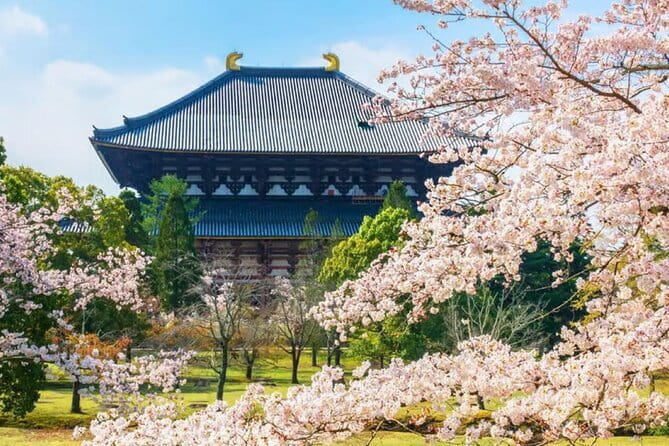
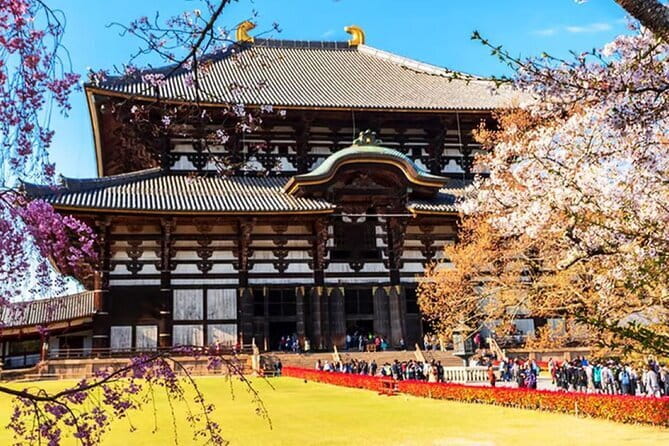
Tōdai-ji receives about 40 minutes, and that short slot is the clearest sign that this is a sampler tour. The temple houses the Great Buddha, a bronze Vairocana Buddha about 15 meters tall. The scale of the main hall and statue gives this stop real weight, even if you have seen plenty of Japanese temples already.
Admission is not included. The schedule also notes that the temple ticket costs extra, so decide before the day whether you want to enter. If you do, keep the ticket money ready and move promptly when the guide sets the meeting time.
Forty minutes can be enough for the main hall and a quick look around. It is not enough for a slow visit, detailed photography, and a wide exploration of the surrounding temple grounds. This is where the tour’s pace may frustrate you most.
One reported outing advised skipping the Buddha temple because there was not enough time. That warning is useful, but it also points to the choice you have to make. If seeing the Great Buddha is your main reason for coming to Nara, tell the guide early and protect this part of the schedule as much as possible.
Another pool worth the trip:
- From Tokyo: Private Tour to Fuji/Hakone – Onsen, Art, Nature
★ 5.0 · 116 reviews - Mt. Fuji, Hakone Private Tour from Tokyo – Onsen, Arts and Nature
★ 5.0 · 79 reviews - Tokyo: Mount Fuji 5th Station & Onsen Day Trip
★ 4.3 · 75 reviews - From Fukuoka: Mount Aso, Kurokawa Onsen, and Shrine Tour
★ 4.6 · 72 reviews
Kasuga-taisha and its lanterns
Kasuga-taisha is scheduled for another 40 minutes. Founded in the eighth century, the Shinto shrine is associated with Futsunushi no Mikoto and the Fujiwara clan. It is known for its many stone and bronze lanterns.
This stop gives you a different religious setting from Tōdai-ji. Instead of a vast Buddhist hall and bronze statue, you get a Shinto shrine connected to wooded paths and rows of lanterns. Even with limited time, the change in atmosphere helps make the Nara portion feel less repetitive.
Admission is not included here either. The details identify Kasuga-taisha as one of the places where an entry charge may apply. You should confirm with the guide what the group will see within the allotted time and what requires a separate ticket.
The schedule is brisk: 80 minutes at the park, 40 minutes at Tōdai-ji, and 40 minutes at Kasuga-taisha. That adds up to a useful introduction to Nara, but not a slow historical tour. If you prefer to read every sign and explore side paths, this format may leave you wanting more.
Uji matcha and the Phoenix Hall
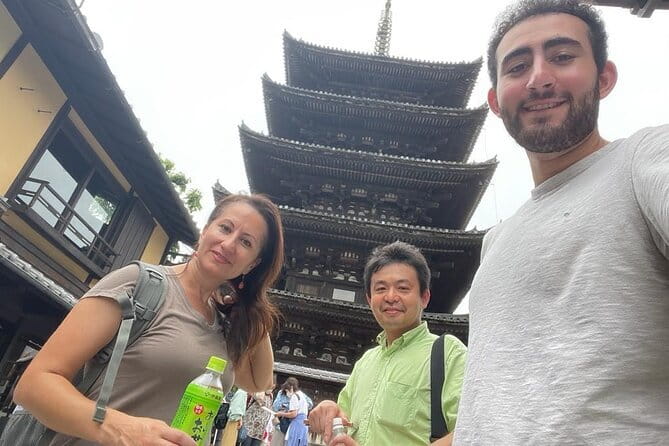
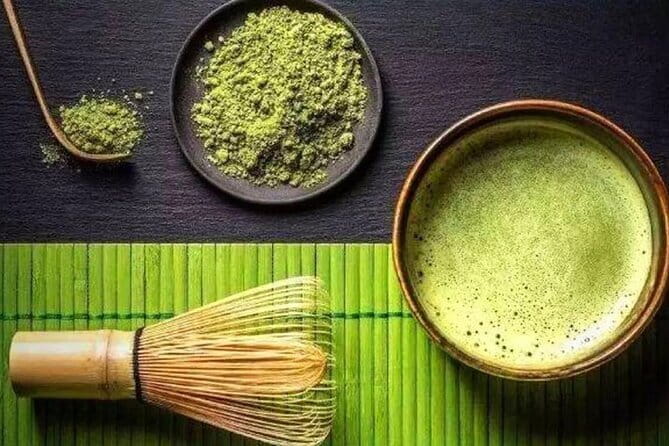
The Uji section is the cultural bridge between Nara and the hot spring. Uji is known for high-quality matcha, and the plan calls for time to enjoy a cup of green tea at a traditional tea house. For many people, this is the most distinctly local food and drink experience of the day.
Matcha is not just a quick refreshment here. Uji’s identity is closely tied to tea production and tea culture, so a cup gives you a taste of what makes the city different from Nara. It is also a welcome pause after the walking-heavy morning.
The supplied schedule gives Uji about 2 hours 20 minutes, though the stop description also refers to the natural hot spring. Read that timing as the broader Uji portion rather than assuming every minute is reserved for tea. The exact balance between matcha, temple sightseeing, and free time may depend on traffic and the group’s pace.
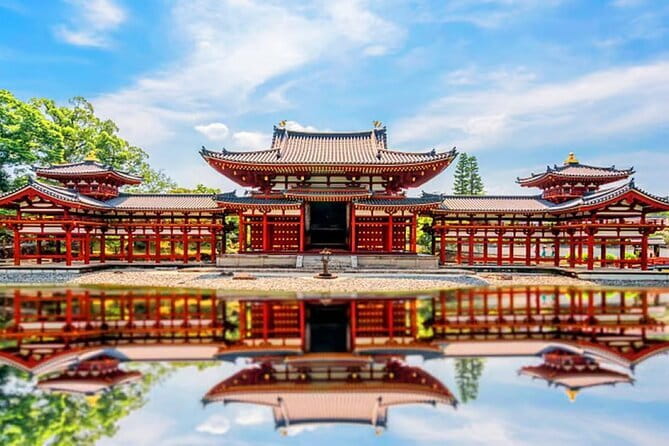
Byodo-in is the major Uji sight connected with the tour. Its Phoenix Hall is one of Japan’s best-known temple images, and the temple is a UNESCO World Heritage Site. The overview includes a chance to admire it, but admission is not included. The Tale of Genji Museum is also listed among the possible extra-cost attractions.
As with Tōdai-ji, you may have to choose. If you want the temple interior or museum as well as matcha, ask how the time will be divided. A reported outing found that the Uji temple and matcha time felt threatened by the schedule, so you should not assume every listed activity will receive a long, leisurely visit.
Soaking at Genji-no-Yu
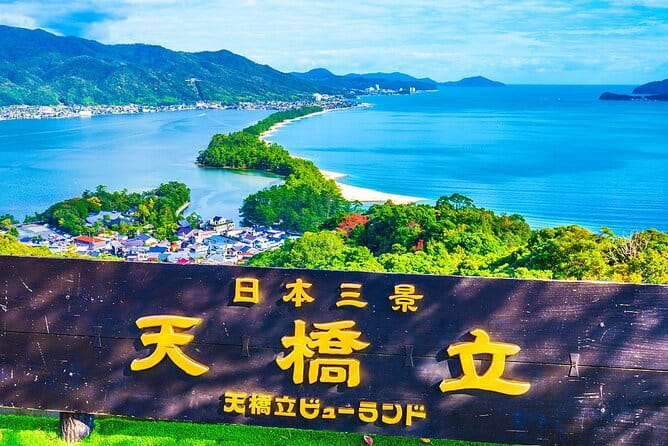
Genji-no-Yu is the final stop, with about 1 hour 20 minutes set aside. The facility is named after The Tale of Genji, the classic work associated with Uji, and offers indoor and outdoor baths fed by natural hot spring water.
This is a smart way to end a demanding day. After walking across park and temple grounds, a quiet bath can feel more useful than one more rushed landmark. The setting is described as peaceful, and the facility provides a change from sightseeing into simple rest.
The hot spring admission is listed as included in the stop details, but the general cost information also lists hot springs among possible extra expenses, around $10. Because the information is inconsistent, confirm with the guide or provider what your booking covers before you arrive.
Visible tattoos are not allowed. That rule can affect your decision, so do not treat the bath as an optional surprise if you have a visible tattoo. The tour also does not allow unaccompanied minors.
You should also remember that onsen bathing is a cultural experience with its own rules. The supplied information does not give a full list of bathing procedures, so follow the facility’s posted instructions and the guide’s directions.
How the pace affects the experience
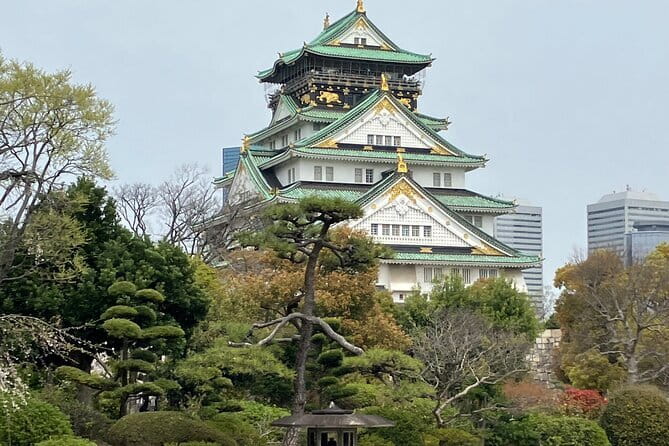
The tour’s biggest strength and weakness are the same thing: it covers a lot. You get Nara’s deer, Tōdai-ji, Kasuga-taisha, Uji tea, a famous temple setting, and a hot spring in one day. You also spend part of the day in a vehicle, and every stop has a fixed departure time.
I would book this for a first look at the area, especially if you have limited time in Osaka. It gives you a useful sense of how Nara and Uji differ, and the included transport removes the need to work out a multi-stop route.
I would not book it if your top priority is a slow temple visit. Tōdai-ji and Kasuga-taisha each receive only 40 minutes, and the Uji portion has several possible attractions competing for attention. A self-planned day would give you more control, but it would also require more transport planning.
The cold-weather warning is worth taking seriously. The long day includes outdoor walking, and one particularly positive account still described some stops as difficult in very cold conditions. Good shoes and weather-appropriate clothing are not minor details here.
Who should book this $81 experience?
I see the tour working best for families, first-time Japan visitors, and anyone who wants several major sights without changing trains. The deer make Nara appealing to children, while the Great Buddha and Kasuga-taisha add enough substance for adults. The hot spring also gives the day a calmer finish.
It suits you if you like variety more than depth. You can sample Buddhist architecture, Shinto tradition, tea culture, and bathing customs without committing to a single long visit.
Think twice if you dislike fixed schedules or extra charges. Food and drinks are not included, and several admissions are separate. You also need to accept that traffic or delays could reduce time at later stops.
The multilingual guide and driver are valuable because the route crosses Osaka, Nara, and Kyoto Prefecture. Still, no guide names are provided, so you should book based on the route and transport convenience rather than expecting a particular named guide.
Should you book this Nara and Uji tour?
Book it if you want a practical, varied day from Osaka and are comfortable with a brisk schedule. The combination of sacred deer, the Great Buddha, Uji matcha, and Genji-no-Yu is unusual, and the $81 price is reasonable when round-trip transport is important to you.
Skip it if you want plenty of time inside each temple or if the hot spring rules and additional fees do not suit you. Before paying, confirm the admission details for Tōdai-ji, Kasuga-taisha, Byodo-in, and Genji-no-Yu, then bring good shoes, extra money, and realistic expectations. This is a broad introduction to Nara and Uji, not a slow study of either city.
FAQ
Where does the tour start?
It starts at Nipponbashi Parking, 1-chōme-3 Nipponbashi, Chuo Ward, Osaka, 542-0073, Japan.
What time does the tour begin?
The start time is 8:30 a.m.
Where does the tour end?
The tour ends back at the original meeting point.
How long does the tour last?
The approximate duration is eight to nine hours, including transportation time.
Is transportation included?
Yes. Round-trip transportation from Osaka in an air-conditioned vehicle is included.
Is a guide included?
Yes. The tour includes a multilingual guide and driver.
Are temple admission fees included?
No. Tōdai-ji, Kasuga-taisha, Byodo-in, and the Tale of Genji Museum are listed as extra-cost attractions. The additional amount is described as around $10, though the exact total may vary.
Can children join the tour alone?
No. Unaccompanied minors are not allowed. The tour is suitable for most participants when accompanied according to the stated conditions.
What is the cancellation policy?
You can cancel up to 24 hours before the start time for a full refund. Cancellations or changes made less than 24 hours before the start are not accepted for a refund.
Freshly added soaks in Japan
- Japanese Head Onsen and Scalp Massage Retreat in Tokyo★ 4.5 · 2 reviews
- Tokyo Local Tattoo Friendly Public Bath Experience★ 5.0 · 4 reviews
- Tattoo-friendly open-air Onsen & drink★ 5.0 · 25 reviews
- Mt. Fuji Tours to Lake Kawaguchi and Yamanaka Onsen English Guide★ 4.5 · 4 reviews
- Mt. Fuji to Lake Kawaguchi, Lake Yamanaka and Onsen Day Tour★ 4.5 · 3 reviews
- Mt FUJI – Panoramic Tour w/ Hoto Lunch, JP Sake & Onsen tatto OK!★ 5.0 · 9 reviews
- Onsen Spa in Tokyo and Asakusa Bar Hopping with Local Guide★ 5.0 · 3 reviews
- Private Tour to Snow Monkey, Zenkoji Temple & Hot Springs Nagano★ 4.0 · 2 reviews
Osaka Hot Springs, compared.
Himeji Castle, Arima Onsen & Mt. Rokko Day Tour
Read our review →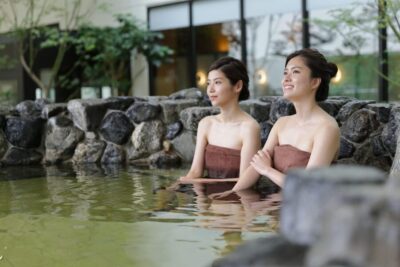
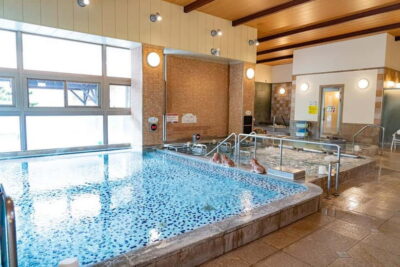
Tennen Onsen Naniwa-no-Yu, the famous hot spring spa
Read our review →
Private Car Day Trip to the Kobe Mountains, Gardens and Hot Springs from Osaka
Read our review →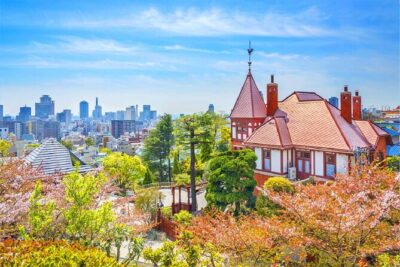
Kobe Night View Mt Rokko Kitano Ijinkan Arima Onsen Day Trip
Read our review →
Osaka River Rapids Hike and Natural Hot Spring tour
Read our review →More soaks worth the detour