
REVIEW · JAPANESE ONSEN TOURS
Become a local! A Walking Tour of Arts, Crafts&Onsen Culture
Beppu’s best stories are not all found at the famous Hells. This small-group walk takes you through ordinary downtown streets, a local market, a 115-year-old bamboo factory, and creative spaces where artists actually live and work. You get a look at Beppu as a lived-in city, not just a hot-spring stop.
I especially like the chance to watch skilled artisans work with locally sourced bamboo, and the visit to Kiyoshima Apartment, where artists share their work and daily surroundings. The main drawback is simple: you will not enter an onsen building, and the route can change if local businesses adjust their opening hours.
Key points at a glance
- A rare look inside Beppu’s bamboo tradition: Visit Nagai Bamboo Factory, operating since 1908, and watch craftspeople at work.
- Small groups make conversation easier: The tour is limited to eight people, with English- and Japanese-speaking guides.
- The artist visit is unusually personal: Kiyoshima Apartment is a working residence, not just a gallery.
- The walk begins with local life: Beppu Station Market offers a quick look at fresh fish, vegetables, and everyday commerce.
- Space Beppu adds context: Finish with historical photographs, contemporary art, and a relaxed community setting.
- Come for culture, not the famous sights: The Hells and onsen interiors are not part of this tour.
Beppu beyond the famous hot-spring sights
Beppu is famous for its hot springs, but the city’s character extends well beyond steam, bathing facilities, and sightseeing buses. This two-hour walk follows the quieter side of central Beppu, where shops, workshops, apartments, and small cultural spaces reveal how residents spend their days.
The focus is not on checking off major attractions. Instead, you learn how onsen culture fits into local life, then see two traditions that give the city a distinctive feel: bamboo craft and contemporary art. That makes the tour a useful choice for you if you have already seen the main sights, or if you prefer a guided introduction to a place’s daily rhythm.
The tour costs $58 per person. That is more than you would pay for a simple neighborhood walk, but the price includes admission to the stops and gives you access to a working bamboo factory and artist residence. Those are the parts that would be difficult to arrange on your own, especially if you do not speak Japanese.
The walk lasts about two hours, though the practical information gives a possible range of 120 to 150 minutes. Plan for a gentle city walk rather than a fast sightseeing march. The small group, capped at eight participants, should give you a better chance to ask questions and hear the guide clearly.
More Onsen Tours in Japan:
- From Osaka: Himeji Castle, Arima Onsen & Mt. Rokko Day Tour
★ 4.6 · 339 reviews - From Tokyo: Private Tour to Fuji/Hakone – Onsen, Art, Nature
★ 5.0 · 116 reviews - Mt. Fuji, Hakone Private Tour from Tokyo – Onsen, Arts and Nature
★ 5.0 · 79 reviews
Starting at Beppu Station Market
Meet five minutes before departure in front of Wander Compass, the tourist information center just outside the east exit of Beppu Station. This is a sensible meeting point because it is easy to locate, and you can use the station area to orient yourself before the walk begins.
The first stop is Beppu Station Market, where you spend about ten minutes looking at fresh fish and vegetables. The stop is brief, but it sets the tone. You are not being led straight to a polished cultural attraction. You are starting with the food and small businesses that serve local residents.
You may also have a chance to speak with people working in the market. The quality of this stop will depend partly on the day and the pace of business, so think of it as a quick introduction rather than a full market tour. Still, it gives you a useful question to carry through the rest of the walk: how does Beppu function when nobody is sightseeing?
Because the market visit is short, you will want to pay attention from the start. Look at the produce, notice what is being sold, and ask your guide how the market fits into everyday life. The guide’s explanations are important here, since the visual details alone may not tell you much if you cannot read Japanese.
Seeing bamboo craft at Nagai Bamboo Factory
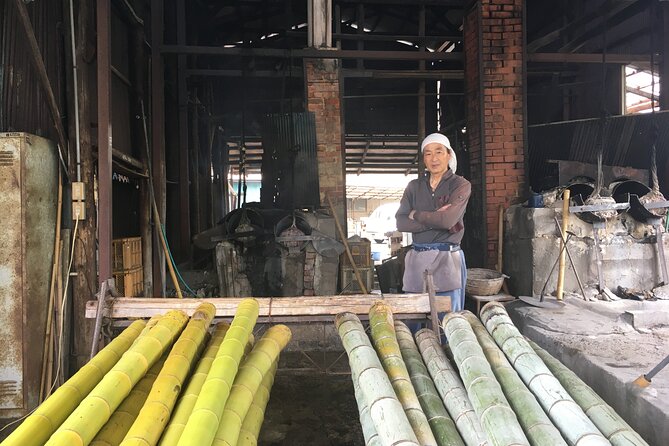
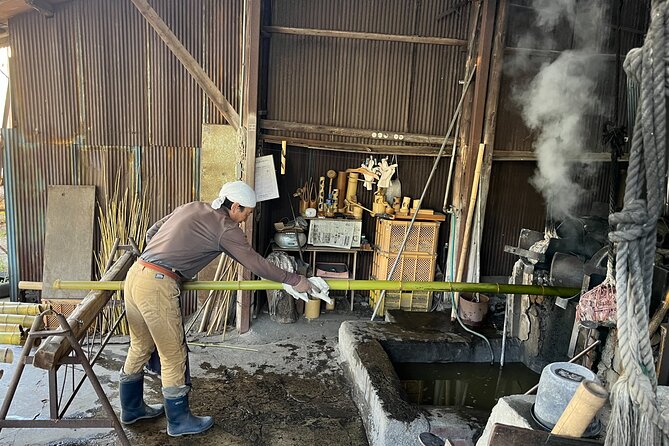
The strongest stop for many people will be Nagai Bamboo Factory. The business has operated since 1908, and bamboo from Oita Prefecture is used to make its products. You can see the workshop, watch artisans work, and browse items for purchase.
This is not a staged demonstration designed only for visitors. The appeal comes from seeing a real craft business and the careful handwork behind objects that might otherwise look simple in a shop. Bamboo products often appear light and elegant, but the finished form hides the patience and accuracy needed to shape the material.
You get roughly thirty minutes here. That is enough time for an introduction to the workshop and a look at the products, but it is not a full craft class. You should not expect to make your own basket or utensil unless the schedule specifically says so. The value is in watching the process and understanding why the work remains important.
I like this stop because it connects regional materials with local skill. You are not simply buying a souvenir marked Beppu. You can see where the craft happens and meet the people who keep it going. If you are considering a purchase, this is the natural time to do it, since souvenirs are not included in the tour price.
The factory may be one of the places affected by changing business hours. The route and stops can change, so treat the workshop visit as a planned highlight rather than an absolute guarantee. If it is open, it gives the walk a strong sense of place. If the route changes, the guide should explain the adjustment.
Meeting artists at Kiyoshima Apartment
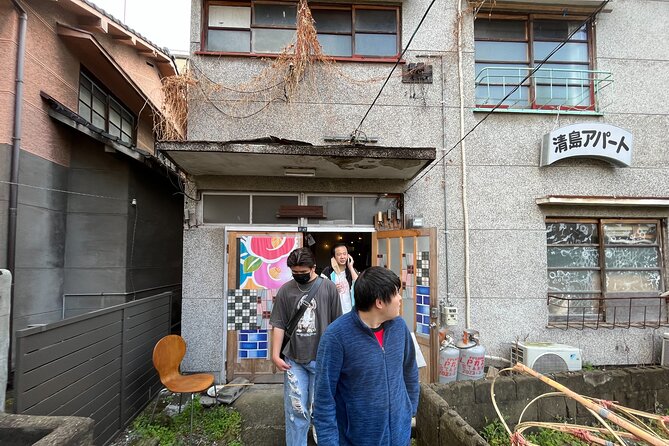
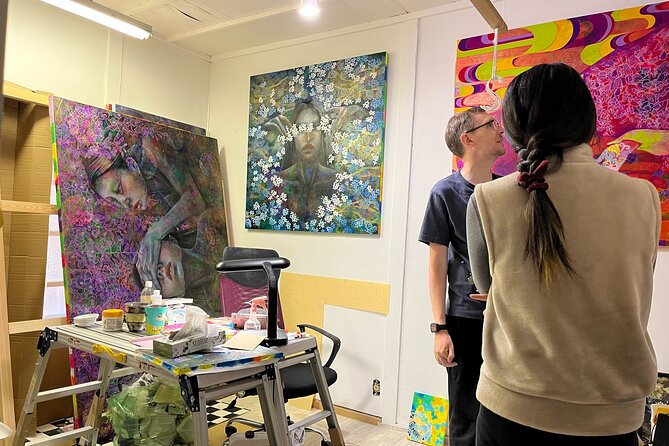
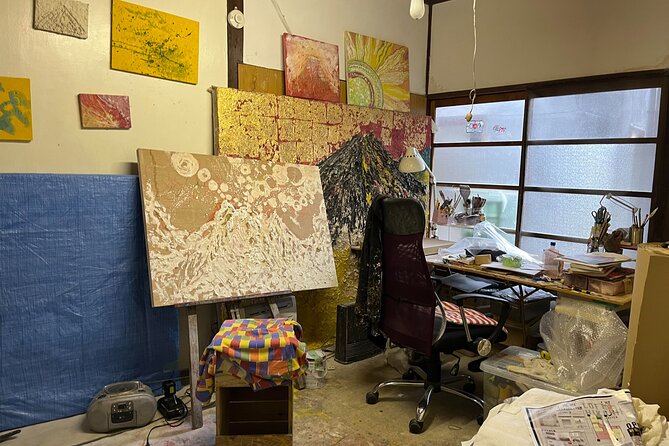
Next comes Kiyoshima Apartment, an artist residence where several artists live and show their work. You spend about twenty minutes here, and the setting is more personal than a standard gallery visit.
The important distinction is that this is a place where artists live, not only a public exhibition hall. You may meet residents, see their work, and ask about the creative atmosphere in Beppu. One especially memorable part of the experience can be meeting a resident in the home and hearing answers about local life directly.
That personal contact is valuable, but it also calls for good manners. You are entering a residential and creative space, so keep your voice moderate, follow the guide’s instructions, and ask before taking photographs. The supplied information does not promise that every artist will be present, so you should treat a conversation as a possibility rather than a guarantee.
This stop gives the tour an interesting change of pace. The bamboo factory shows a long-established local trade. Kiyoshima Apartment presents a newer, more experimental side of the city. Together, they show how Beppu’s identity includes both inherited skills and current creative work.
If you enjoy contemporary art, this may be the most rewarding stop. If you prefer a traditional sightseeing route, it could feel less predictable. That is also the point: the tour asks you to look at Beppu through its residents and makers, not only through famous landmarks.
More Hot Springs and Thermal Baths in Japan:
- Osaka: Nara and Uji Day Trip with Deer Park and Hot Spring
★ 4.4 · 302 reviews - Kyoto: Traditional Concert at Townhouse or Bathhouse
★ 4.9 · 224 reviews - Tokyo: Mount Fuji 5th Station & Onsen Day Trip
★ 4.3 · 75 reviews - Private Nagano 1-Day Tour:Snow Monkeys,Zenko-ji,Obuse,Sake,Onsen
★ 5.0 · 71 reviews
Finishing at Space Beppu
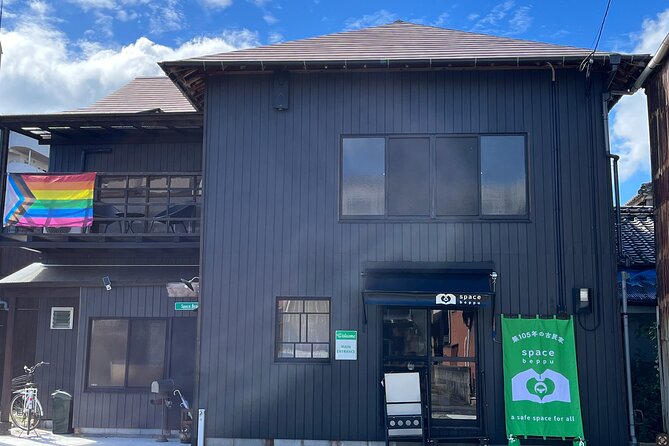
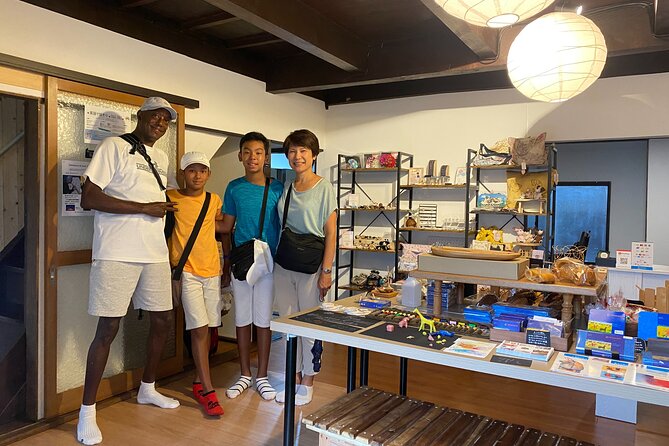
The final stop is Space Beppu, where you can see a Beppu historical museum and exhibitions featuring artists connected with Kiyoshima Apartment. You can also spend time in a relaxed setting with local residents.
This stop helps tie the walk together. The market showed present-day commerce. The bamboo factory showed a craft tradition that began more than a century ago. The artist residence showed current creative work. Space Beppu adds photographs and exhibitions that help you place these pieces in the city’s longer story.
The historical photographs are especially useful because they give you a visual sense of how Beppu has changed. The information provided does not specify the size or exact subject of the museum display, so do not expect a large formal museum. Think of it as a compact cultural stop where the setting and conversation matter as much as the objects on display.
You have about twenty minutes here. That is enough for a short look around, though art lovers may wish for more time. The schedule is fairly tight, so you may need to choose between studying an exhibition and chatting with people in the space.
The relaxed finish suits the tour. Instead of ending at a souvenir stand or sending you back to the station with a list of facts, it gives you a place to pause. You can ask follow-up questions, reflect on the neighborhoods you have walked through, and decide which parts of Beppu you want to explore further.
What you learn about onsen culture
The tour includes an introduction to how locals enjoy onsen, but the distinction matters: you will not be shown inside an onsen building. If you want a guided bathhouse visit, this is not the right product.
You can still gain useful context. Onsen culture is not only about the famous hot-spring attractions promoted to sightseers. It is part of ordinary life in Beppu, and the guide can explain how residents relate to the city’s hot water tradition. The conversation may help you approach a public bath later with better awareness of local customs.
Because the tour does not provide a bathing session, bring realistic expectations. You will not need a towel, swimsuit, or bathing supplies for the scheduled stops. Food, drinks, bottled water, and souvenirs are also not included, so carry water if you need it and plan to buy refreshments separately.
I see the onsen discussion as useful background rather than the main event. The real focus is the walking route, the bamboo workshop, and the artist spaces. Book this tour for cultural context, not for a hot-spring soak.
How the guides shape the experience
The tour is offered in English and Japanese, and the guide makes a real difference because several stops depend on explanation and conversation. At the market, the guide can help you understand what you are seeing. At the factory, the guide can explain the work. At the artist residence, the guide helps everyone interact respectfully.
Masa is one guide associated with this experience, and the tour can also be led by two guides. English ability is important here, particularly if you want to ask about local customs or craft methods. The small group limit of eight should make it easier to speak up without turning the tour into a private booking.
I would prepare a few questions before you arrive. Ask about how bamboo is selected, how the factory has changed, how artists use the residence, or how local people use onsen. A guide can respond to curiosity far better than to silence, and this walk is designed for conversation.
One useful improvement would be a small map of the places visited. You can follow the route during the walk, but having a map afterward would help you remember the streets and return to a favorite spot. Since the tour covers lesser-known areas, you may want to revisit one of them later.
Timing, walking, and practical limits
The meeting point is convenient, but give yourself enough time to find the east exit and Wander Compass. Arrive five minutes early, as requested. A mobile ticket is accepted, and the start time depends on the date you select.
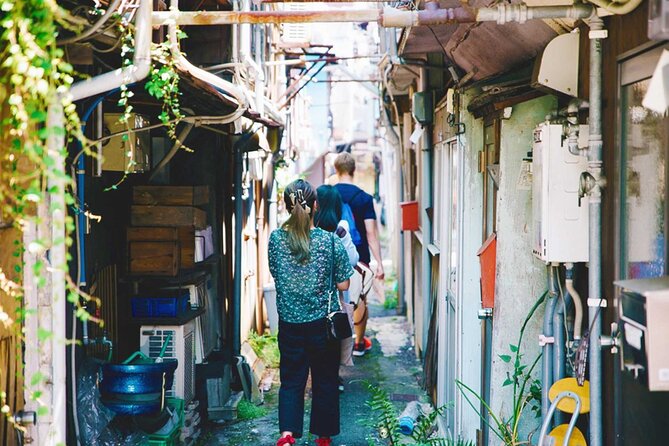
The tour is suitable for ages 0 to 80 according to the activity information, and most people can participate. It is not suitable for wheelchair users, and it is not recommended for people with back problems. The route moves through downtown streets and alleys, so comfortable shoes are sensible even though the total duration is fairly short.
Since the route can change when businesses alter their opening hours, avoid scheduling an important train departure immediately afterward. The stated duration is two hours, but the practical range extends to 150 minutes. A little spare time will make the end of the tour less stressful.
There is no food or drink included. The market stop is for looking and conversation, not a meal. Plan your breakfast or lunch separately, and carry water if you prefer not to purchase it during the walk.
Free cancellation is available until 24 hours before the start time for a full refund. You can also reserve now and pay later, which is useful if you are still arranging a Kyushu schedule.
Is the $58 price fair?
At $58, this is not the cheapest way to walk around Beppu. You could stroll through central streets on your own for nothing, and you would pay far less for a self-guided look at the station market.
The difference is access and interpretation. You are visiting a factory with more than a century of history, entering an artist residence, and seeing a cultural space that may be difficult to understand without help. Admission fees are included, and a guide connects these places to local life.
The price makes the most sense for you if you value personal contact and want to ask questions in English. It is also useful during a short stay, when you would rather have a focused introduction than spend half a day trying to locate small cultural venues yourself.
The value is weaker if your main goal is the Hells, a long bathhouse visit, or a major museum. None of those is part of the route. In that case, spend your money on a different Beppu experience and explore these neighborhoods independently if you have time.
Who should book this walk?
I would recommend it to you if you enjoy craft, neighborhood history, small museums, and conversations with local people. It suits first-time visitors who want a gentle introduction to Beppu, as well as returning visitors who have already seen the major hot-spring sights.
Art lovers should pay special attention to Kiyoshima Apartment and Space Beppu. Anyone interested in traditional Japanese design will likely find the bamboo factory the best reason to book. The tour also works well for couples, solo visitors, and small families who prefer a limited group instead of a large bus tour.
I would hesitate if you need step-free access, have back problems, or want a predictable route with every stop guaranteed. The route may change with business hours, and the residential nature of the artist visit means the experience can vary.
Final decision
Book this tour if you want to understand Beppu through its makers, residents, and quieter streets. The bamboo workshop and artist residence offer access you are unlikely to get from a standard sightseeing route, while Space Beppu gives the experience a useful historical finish.
Skip it if you are looking for the Hells, an onsen building, or a hands-on craft lesson. For everyone else, $58 is a reasonable price for a compact, guided look at a less obvious side of Beppu, especially when you have only a short time in town.
FAQ
Where does the tour meet?
Meet in front of Wander Compass, the Beppu Station tourist information center just outside the station’s east exit.
How early should I arrive?
Arrive five minutes before the tour starts.
How long does the tour last?
The stated duration is two hours. The practical information gives a possible length of 120 to 150 minutes.
What languages are available?
The tour is offered with live guides in English and Japanese.
How large is the group?
The group is limited to eight participants.
Does the tour visit the Beppu Hells?
No. The route focuses on lesser-known cultural streets and alleys rather than popular attractions such as the Hells.
Will I go inside an onsen building?
No. The tour discusses how locals enjoy onsen, but it does not show you inside an onsen building.
Are food, drinks, and souvenirs included?
No. Food, beverages, bottled water, and souvenirs are not included. Admission fees for the scheduled facilities are included.
Is the tour accessible for wheelchair users?
No. The experience is not suitable for wheelchair users, and it is not recommended for people with back problems.
Freshly added soaks in Japan
- 1-Day Tour from Takayama: Unveiling the Charm of Gero Onsen★ 5.0 · 5 reviews
- Mount Fuji – Hakone & Onsen Full Day Private Tour★ 3.8 · 6 reviews
- Mt. Fuji, Hakone Private Tour from Tokyo – Onsen, Arts and Nature★ 5.0 · 79 reviews
- Osaka: Tennen Onsen Naniwa-no-Yu, the famous hot spring spa★ 4.7 · 19 reviews
- Osaka: Solaniwa Onsen Hot Spring Visit★ 4.6 · 51 reviews
- Himeji Castle, Arima Onsen & Mt. Rokko: 1-Day Bus Tour from Osaka★ 4.0 · 28 reviews
- 1-Day Winter Tour From Nozawa Onsen: Snow Monkeys, Zenko-ji Temple & Sake★ 5.0 · 32 reviews
- Snow Monkey Park, Soba Lunch and Shibu Onsen Tour★ 5.0 · 12 reviews
Japanese Onsen Tours, compared.
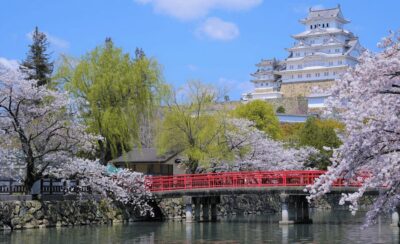
Himeji Castle, Arima Onsen & Mt. Rokko Day Tour
Read our review →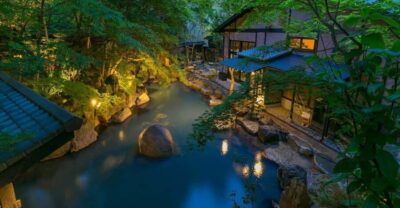
Private Tour to Fuji/Hakone – Onsen, Art, Nature
Read our review →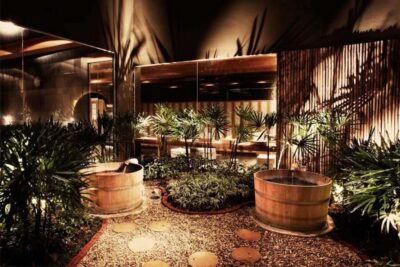
All-Day Pass to Yunomori Sathorn Onsen Bath and Spa
Read our review →
Mt. Fuji, Hakone Private Tour from Tokyo – Onsen, Arts and Nature
Read our review →
Private Nagano 1-Day Tour:Snow Monkeys,Zenko-ji,Obuse,Sake,Onsen
Read our review →
More soaks worth the detour