
REVIEW · JAPANESE ONSEN TOURS
Bangkok: All-Day Pass to Yunomori Sathorn Onsen Bath and Spa
Bangkok can be a tiring city, so a quiet Japanese-style bath house is a smart change of pace. At Yunomori Sathorn, you can move between mineral, soda, jet, garden, and teak baths, then settle into the sauna or steam room without watching the clock.
I like the unlimited day access, which lets you arrive late in the morning, take a slow break, and return to the water when you feel ready. I also like the setting: greenery and hot water create a calm pocket in central Bangkok. The main consideration is the bathing rule. You cannot wear swimwear, underwear, or a robe in the bath area, and massage is not included in the $24 price.
Key points
- Five different bathing styles: Try jet, mineral, soda, garden, and teak baths rather than sitting in one pool all day.
- A flexible full-day pass: Use the facilities at your own pace, with no short session limit listed.
- A proper Japanese bathing custom: You bathe without swimwear and may bring a small towel into the bathing area.
- Sauna and steam rooms included: Add heat and steam after the pools for a longer reset.
- Late morning is quieter: The experience is reported to become busier after 2 p.m.
- Massage costs extra: A Thai massage can be added separately, but most spa treatments must come after your onsen visit.
A Japanese bath house in the middle of Bangkok
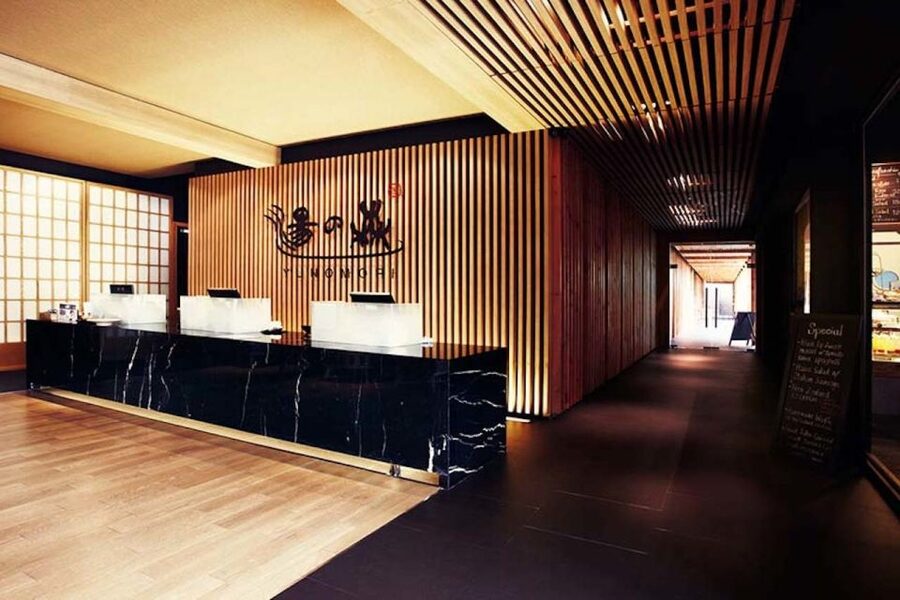
Yunomori Onsen and Spa Sathorn gives you a taste of Japanese bathing culture without leaving Bangkok. You check in at the lobby of the Sathorn 10 location, then use the facilities for the day rather than joining a guided sightseeing group.
That difference matters. This is not an attraction with a fixed route or a tour leader explaining every minute. You decide how long to stay in each bath, when to use the sauna, and when to take a quiet rest. The value comes from having time and choice.
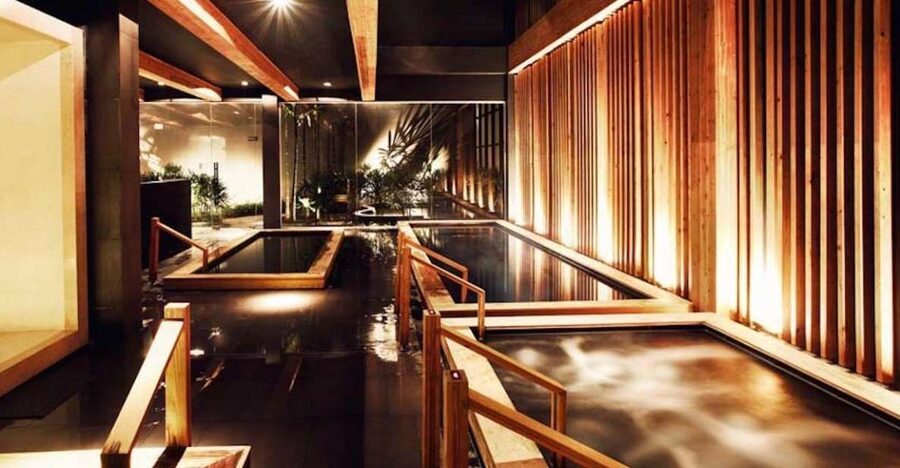
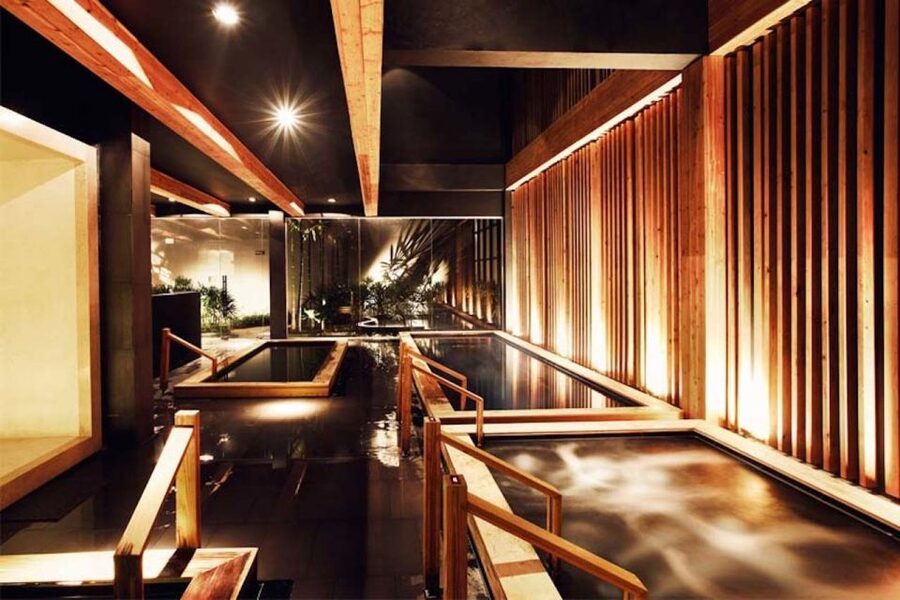
The facilities are designed around different water experiences. You can move from a jet bath to a mineral water bath, try the soda bath, and then slow down in the garden or teak bath. Each one gives the visit a different feel, even though all are part of the same onsen circuit.
I would treat this as a recovery day rather than something to squeeze between several major sights. Bangkok sightseeing often means heat, traffic, noise, and plenty of walking. Here, the goal is simpler: wash, soak, warm up, cool down, and repeat at a comfortable pace.
More Onsen Tours in Thailand
- Bangkok: Let’s Relax Onsen Thonglor E-Voucher
★ 4.4 · 57 reviews - Bangkok: Yunomori Sukhumvit Onsen Hot Springs Spa Pass
★ 4.5 · 43 reviews - Pattaya: Let’s Relax Onsen & Spa Grand Center Point Space
★ 4.5 · 14 reviews
What happens after you check in
The starting point is the lobby at Yunomori Onsen and Spa, Sathorn 10. English and Thai are available from the host or greeter, which is useful if you are new to Japanese bathing customs or want help understanding the facility.
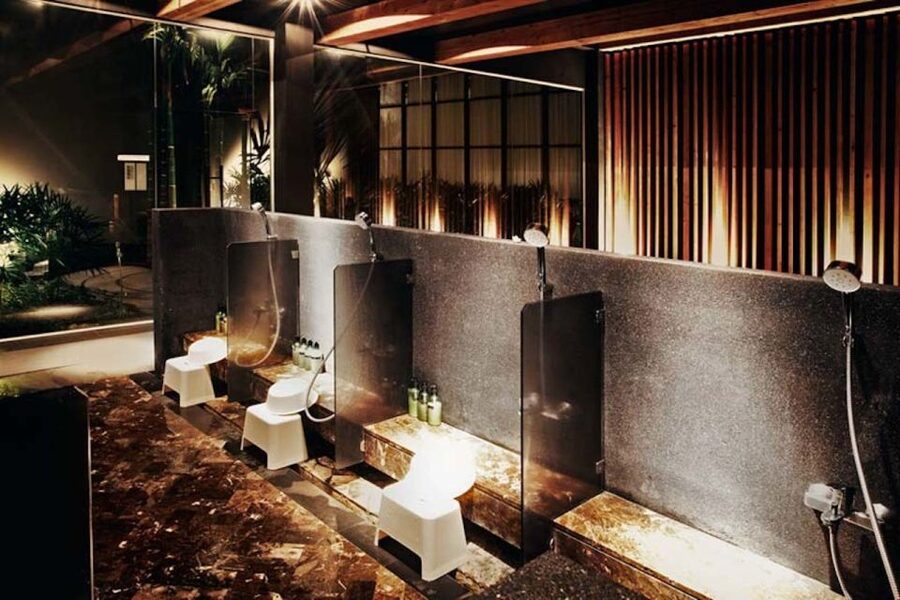
You will need to follow the bathing rules before entering the pools. Swimsuits, underwear, and robes are not allowed in the bathing area. You can bring a small towel, and the activity information specifically lists a towel among the things to bring.
That rule can feel unfamiliar if you normally use a hotel pool or a public swimming pool. It is central to the onsen format, so you should be comfortable with it before booking. You are not visiting a swim facility, and the pools are for soaking rather than swimming.
The full-day pass gives you room to take your time. You might begin with one of the warmer pools, move to a different water type, and then use the sauna or steam room. You can repeat that pattern as often as you like during the valid day.
No detailed treatment schedule is imposed. That makes this a good choice if you want a quiet morning or afternoon and do not want to keep checking your watch.
The five baths and how to use them
The most interesting part of the visit is the range of bathing pools. The experience lists a jet bath, mineral water bath, soda bath, garden bath, and teak bath. They are not simply five names for the same experience. The point is to notice the change in water, setting, and feel as you move around.
Jet bath
The jet bath gives the water a more active feel. Moving water can make the pool feel less still and may suit you if you like some sensation while you soak.
I would try this earlier in your visit, before settling into the quieter baths. It gives you a clear change from simply sitting in hot water, though you should always pay attention to your comfort level and avoid staying in hot water longer than feels sensible.
Another pool worth the trip:
- Chiang Mai: Chiang Rai Temples, Karen Tribe and Hot Springs
★ 4.7 · 5,401 reviews - Krabi: Tiger Cave Temple, Emerald Pool and Hot Springs Tour
★ 4.8 · 3,616 reviews - Krabi: Tiger Cave, Hot Springs and Emerald Pool Jungle Tour
★ 4.2 · 2,643 reviews - Chiangmai to Chiangrai: 3 Temples, Hot Springs& Lalitta Cafe
★ 4.5 · 659 reviews
Mineral water bath
The mineral water bath is the most direct expression of the onsen idea. It is a place to slow down and let the water become the focus of the visit.
The advertised experience presents the different waters as having specific benefits, including help with muscle and joint discomfort and a general feeling of refreshment. Those claims should not replace medical advice, but they explain why the bath circuit is more than a decorative pool visit.
Soda bath
The soda bath adds another variation to the circuit. You may notice a different sensation from the water, which makes it a useful stop after the mineral bath.
If you are new to onsen bathing, do not feel you need to understand every technical detail before trying it. Follow the facility guidance, spend a comfortable amount of time in the water, and move on when you are ready.
Garden bath
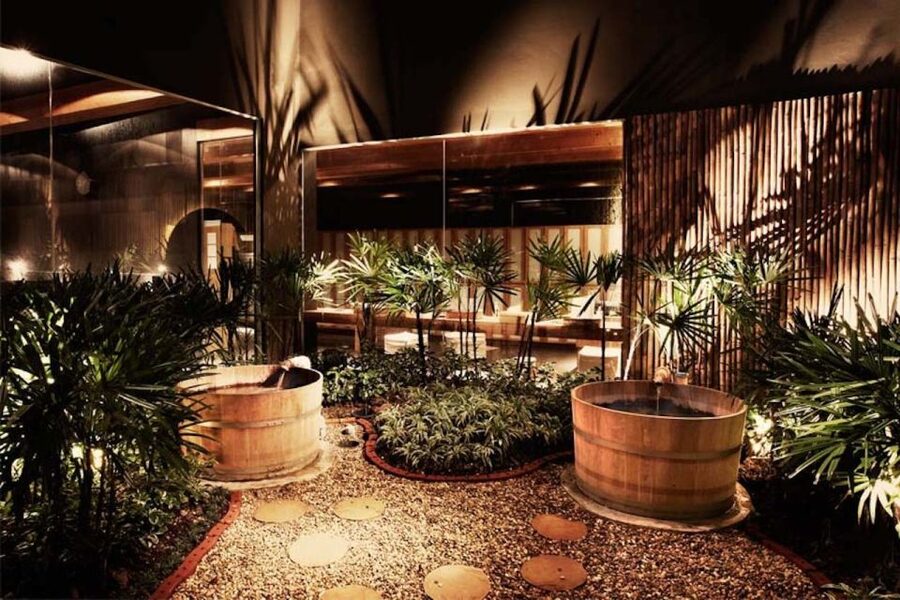
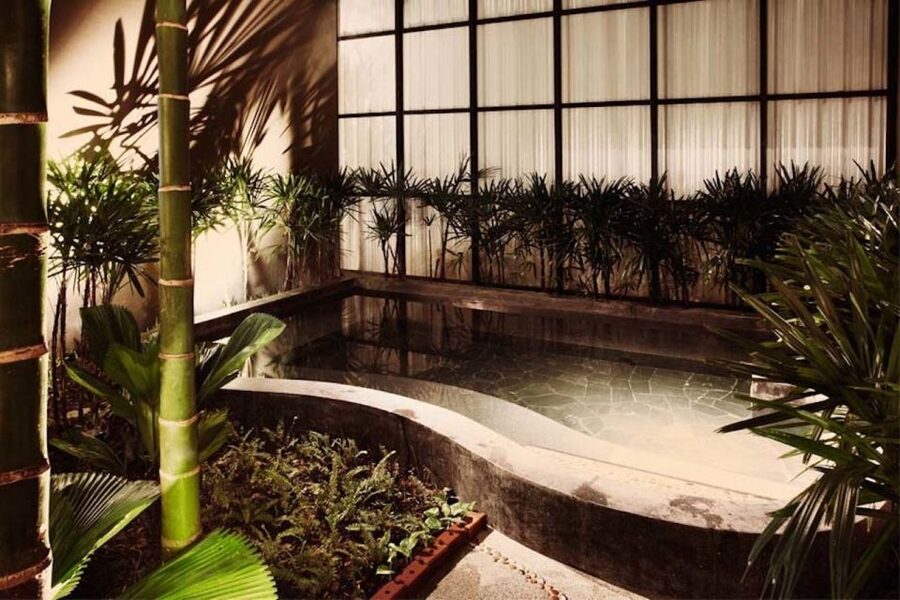
The garden bath is the most obviously calming option. The greenery helps create distance from central Bangkok, even though you remain in the city.
This is one of the details I like most about the experience. The setting gives you something to look at without turning the bath into a sightseeing stop. You can simply sit, breathe, and let the city become less important for a while.
Teak bath
The teak bath brings a warmer, more traditional visual note to the circuit. Together with the garden bath, it helps the facility feel like a Japanese-style retreat rather than a basic spa with hot tubs.
You do not need to rush through all five baths. The full-day format is useful because you can try each one, return to your favorite, and take breaks between them.
Sauna and steam room time
The sauna and steam rooms are included in the full-day access. They give you another way to warm up after the baths and help break up a long soaking session.
The steam room is promoted as a way to refresh the skin, loosen tired joints and muscles, and settle the body and mind. Again, think of those as the intended benefits of the experience, not a medical treatment.
I would use the sauna and steam room in moderation. The combination of hot pools and extra heat can become tiring, especially if you arrive already worn out from a day in Bangkok. Drink water, take breaks, and leave the heat when you feel you have had enough.
The best part is the lack of pressure. You are not being moved along by a guide or a group. A short sauna visit may be enough for you, while someone else may prefer a longer circuit of baths and steam.
Why the unlimited day pass matters
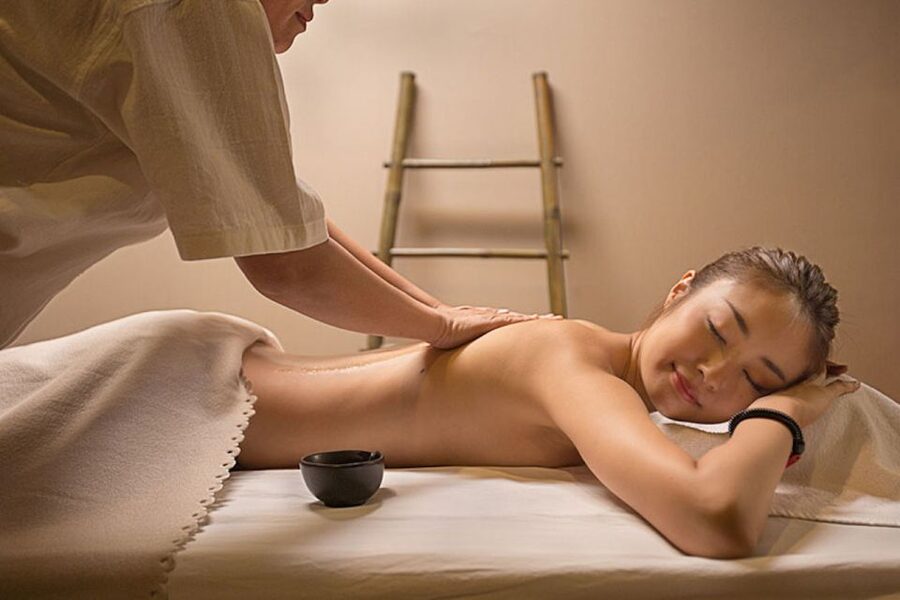
At about $24 per person, this is priced as a full-day wellness break rather than a quick soak. The value depends on how you use it.
If you only want a brief bath before dinner, the day pass may feel less attractive. One useful piece of price advice is that buying at the door can sometimes be cheaper, so you may want to compare the current direct price with the online booking price before paying.
The online option has a different advantage: you can reserve now and pay later, keeping your plans flexible. Cancellation is allowed up to 24 hours before the activity for a full refund. That is helpful if your Bangkok schedule is still changing.
For a visitor who spends several hours using the baths, sauna, steam rooms, and rest periods, $24 is a reasonable city break. You are paying for time as much as for water. The pass makes the most sense when you do not treat it like a 60-minute stop.
The best time to visit Sathorn 10
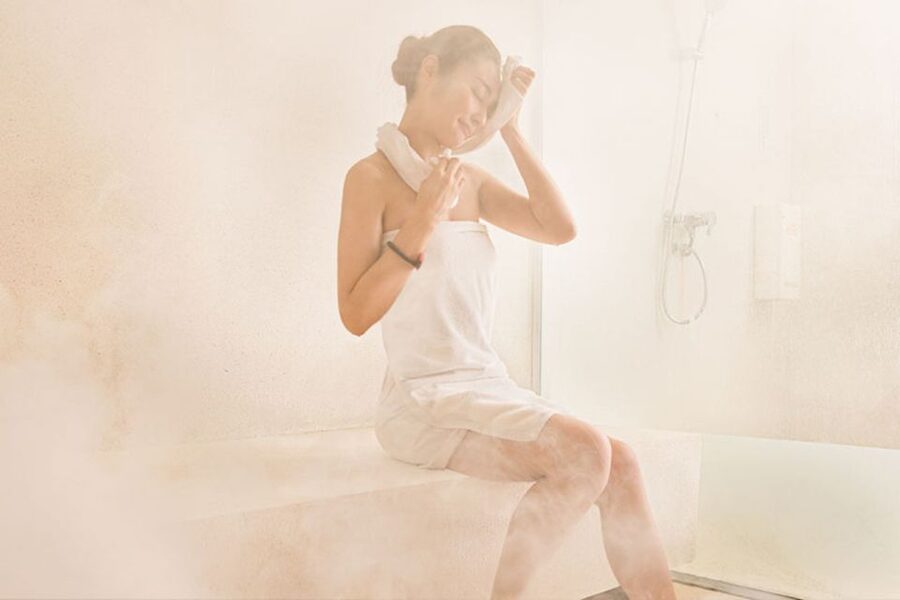
Timing can shape the visit. Late morning has been described as quieter, while the facility becomes busier after 2 p.m.
I would choose a late-morning start if you want the calmest possible atmosphere. You can begin with the baths, take a break, and continue before the afternoon crowd builds. The pass remains valid for the day, so an early arrival also gives you the most flexibility.
An afternoon visit may still work well, especially if you want a break after sightseeing. Just expect a livelier atmosphere after 2 p.m. The experience remains useful, but quiet corners and individual pools may feel less private when more people arrive.
Since no fixed start time is given, check availability for the date you want. The useful question is not only Can I fit this into my schedule? but also How much time do I want to give it?
Massage comes after the onsen
Massage is not included in the $24 pass. You can arrange a Thai massage separately, but spa treatments generally need to happen after your onsen visit. The exception is Thai massage, which can be used under the stated treatment rule.
That order is important. If you plan to add a massage, tell the staff before you settle into your schedule so you do not accidentally book the wrong sequence.
A Thai massage can turn the visit into a longer wellness day, but it changes the budget. The day pass alone does not cover it, and no massage price is provided here. Keep that extra cost in mind before assuming the experience is an all-inclusive spa package.
The distinction also helps you set expectations. You are booking access to the onsen, sauna, and steam rooms. Massage is an optional add-on, not part of the basic admission.
Who will enjoy this most
I would recommend Yunomori Sathorn to you if you want a low-pressure break from sightseeing and are comfortable with Japanese bathing customs. It works especially well for solo visitors, couples, and friends who want to relax without following a group schedule.
It is also a good choice for first-time onsen visitors, provided you read the rules before arriving. The different pools let you try the format gradually, while English and Thai support is available at the facility.
Families should note that children under 10 must be supervised by an adult. The activity is not suitable for pregnant women, people with heart problems, people with pre-existing medical conditions, people who have had recent surgery, or people with a cold.
If you have a medical concern, ask a qualified medical professional before using hot baths, saunas, or steam rooms. The soothing setting does not remove the normal risks connected with heat.
What the strong feedback tells me
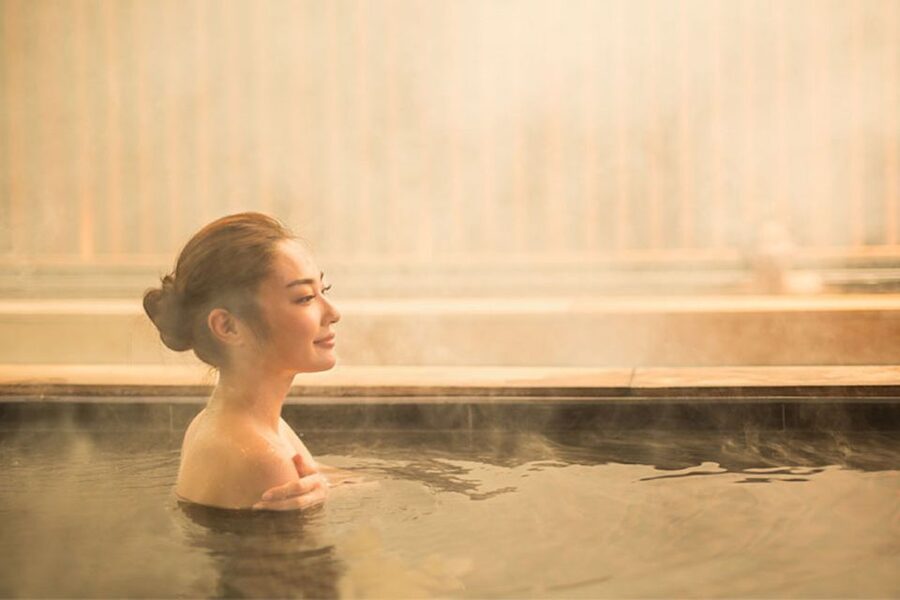
The experience has a 4.6 rating from 103 reviews, and the strongest pattern is clear: people value the professional staff, clean-looking installations, and the overall quality of the bath house.
First-time onsen users have found it easy to enjoy, which is worth noting if you have never used a Japanese bath before. The range of pools also earns attention because it gives you something to explore instead of reducing the visit to one hot tub.
The quiet late-morning timing is another practical point. A visit before 2 p.m. may give you a more relaxed start, while later hours can be busier.
The Thai massage receives particularly warm praise, but remember that it is not included. Think of it as a possible upgrade to your day, not part of the advertised admission.
There is also a real price caution: buying at the door may be cheaper in some cases. Check the current price before booking online, then weigh that saving against the convenience of reserving ahead and paying later.
Small rules that make a big difference
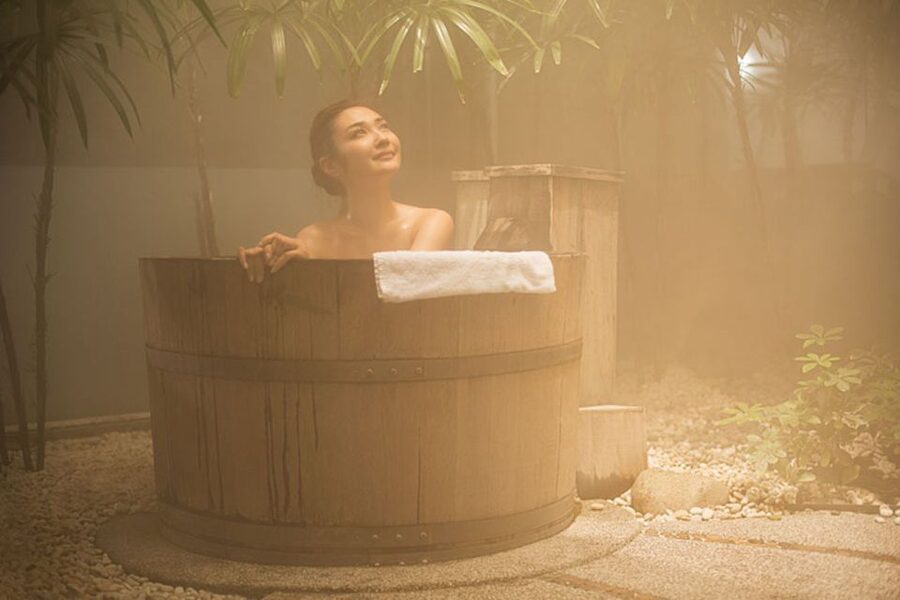
The bathing etiquette is simple, but you should know it before you arrive:
- Bring a towel and a small towel for the bathing area.
- Do not wear swimwear, underwear, or a robe in the bathing area.
- Children under 10 need adult supervision.
- Use the onsen before most spa treatments, except for Thai massage.
- Leave extra time for breaks instead of treating the baths like a quick swim.
These rules are not minor details. They determine whether you feel prepared and comfortable once you reach the changing area.
The most important mental adjustment is to stop thinking of this as a normal pool visit. You are there to bathe, not swim. The quiet rhythm works best when you respect the order of washing, soaking, resting, and moving on.
Is Yunomori Sathorn worth booking?
I would book this day pass if you want a calm, flexible retreat in central Bangkok and can give it several hours. The garden setting, five bath types, sauna, and steam rooms offer more variety than a basic hotel pool, while the unlimited access keeps the visit unhurried.
I would skip it if you dislike bathing without swimwear, only have a short gap in your schedule, or are mainly looking for a massage. Massage is extra, and the $24 price delivers its best value when you make real use of the full day.
For the best chance at a quieter visit, aim for late morning and compare the online rate with the door price. Bring your towel, plan around the treatment rules, and approach the onsen as a slow reset rather than another item to tick off in Bangkok.
FAQ
Where do I check in for Yunomori Sathorn Onsen?
Check in at the lobby of Yunomori Onsen and Spa at Sathorn 10 in Bangkok.
What does the $24 pass include?
The pass includes full-day access to Yunomori Onsen and Spa, including the bathing facilities, sauna, and steam rooms.
Is massage included in the pass?
No. Massage is not included. A Thai massage may be arranged separately, and most spa treatments take place after the onsen visit.
Can I wear a swimsuit in the bathing area?
No. Swimsuits, underwear, and robes are not allowed in the bathing area. You may bring a small towel.
What should I bring?
Bring a towel. You may also bring a small towel into the bathing area.
Is the experience suitable for children and people with medical conditions?
Children under 10 must be supervised by an adult. The experience is not suitable for pregnant women, people with heart problems, people with pre-existing medical conditions, people with recent surgeries, or people with a cold.
Freshly added soaks in Thailand
- Pattaya: Let’s Relax Onsen & Spa Grand Center Point Space★ 4.5 · 14 reviews
- Bangkok: Yunomori Sukhumvit Onsen Hot Springs Spa Pass★ 4.5 · 43 reviews
- Full-Day Chiang Rai Temples Tour from Chiang Mai with Hot Spring★ 4.5 · 48 reviews
- Full-Day Jungle Tour Including Tiger Cave Temple, Crystal Pool and Krabi Hot Springs★ 3.5 · 53 reviews
- Ao Nang: Hot Springs, Emerald Pool, and Tiger Cave Day Tour★ 4.2 · 90 reviews
- Bangkok: Let’s Relax Onsen Thonglor E-Voucher★ 4.4 · 57 reviews
- Tiger Cave Temple, Emerald Pool & Hot Springs Tour from Krabi★ 5.0 · 100 reviews
- Chiang Mai: Chiang Rai Famous Temples & Hot Springs Day Trip★ 4.0 · 129 reviews
Japanese Onsen Tours, compared.
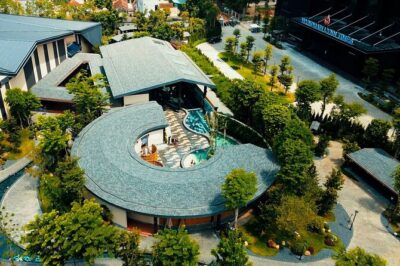
Himeji Castle, Arima Onsen & Mt. Rokko Day Tour
Read our review →
Private Tour to Fuji/Hakone – Onsen, Art, Nature
Read our review →
Mt. Fuji, Hakone Private Tour from Tokyo – Onsen, Arts and Nature
Read our review →
Private Nagano 1-Day Tour:Snow Monkeys,Zenko-ji,Obuse,Sake,Onsen
Read our review →

Snow Monkey & Shibu Onsen Afternoon Tour (Depart: Iiyama & Nozwa)
Read our review →More soaks worth the detour