
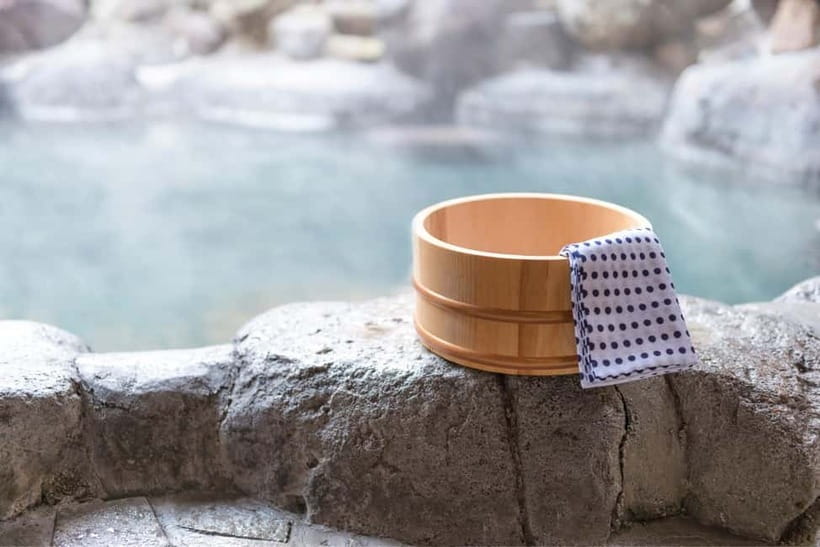
REVIEW · JAPANESE ONSEN TOURS
Tokyo: Japanese Spa & Sento Experience with Local
Tokyo’s communal bath culture can feel mysterious until you know the rules. This women-only sento experience gives you an English-speaking local guide, Ami, to explain what to do before you enter the bath and how to behave once you are inside. You meet near Suidobashi or Korakuen Station, then visit a local facility for a hot soak and a small post-bath treat.
I like two things right away: towels and spa admission are included, so you can arrive without packing a bath kit, and the experience treats bathing as culture rather than just a place to wash. I also like the calm ending, with cold milk or seasonal wagashi, a simple Japanese custom that makes the visit feel complete.
The main consideration is that this is not a private bath. You will bathe according to facility rules, and visible tattoos may prevent entry. It is also not suitable for pregnant women or wheelchair users, and local train or taxi costs are extra.
Key points before you book
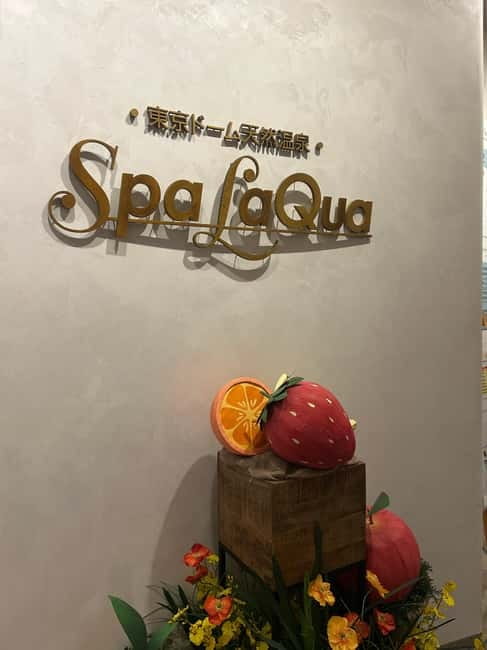
- Ami guides you through the etiquette: You get practical help with what to bring, how to act, and how communal bathing works.
- The experience is for women only: This is important for anyone planning a mixed-gender Japan itinerary.
- Meet at Suidobashi or Korakuen Station: The activity begins and ends at the agreed meeting point, with no hotel pickup.
- Towels and admission are covered: You only need to budget for transportation and personal spending.
- Finish with milk or wagashi: The small treat follows a familiar Japanese post-bath custom.
- Tattoo and health rules matter: Visible tattoos, alcohol use, pregnancy, and wheelchair access can affect eligibility.
Why this Tokyo bath visit feels different
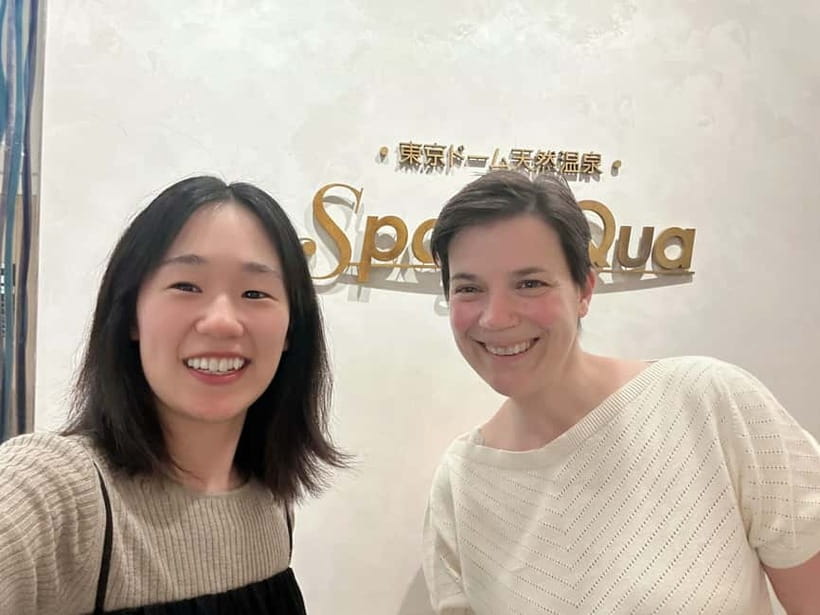
A hot bath in Japan is not simply a longer shower. It is a shared public custom with its own quiet rhythm. You wash before entering the tubs, keep towels out of the bathwater, and treat the bathing area as a calm communal space.
That can be a lot to manage on your first visit, especially when signs and unwritten rules are unfamiliar. Ami’s role is useful because she can explain the process before you have to figure it out on your own. You are not left wondering which area to enter, what the small towel is for, or when it is appropriate to get into the water.
The setting is a local facility rather than a tourist-only attraction. The exact spa or sento is not named in the available details, which means you should not book this expecting a particular famous bathhouse. The appeal is the supported introduction to an ordinary part of Japanese life, with the facility chosen for the experience rather than for a famous landmark name.
This also gives the visit a quieter purpose. After several days of walking through Tokyo, a hot bath can be a welcome change of pace. You are still learning something, but the lesson comes through a practical activity instead of a formal talk.
More Onsen Tours in Tokyo
- From Tokyo: Private Tour to Fuji/Hakone – Onsen, Art, Nature
★ 5.0 · 116 reviews - Mt. Fuji, Hakone Private Tour from Tokyo – Onsen, Arts and Nature
★ 5.0 · 79 reviews - Mt. Fuji 5th, Oshino Hakkai, Onsen Full-Day Trip From Tokyo
★ 4.5 · 50 reviews
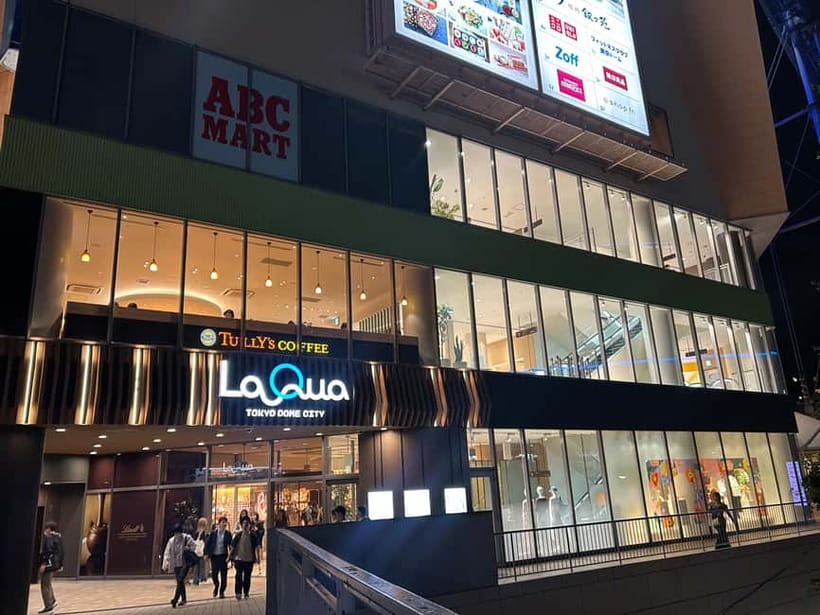
Meeting near Suidobashi or Korakuen Station
You can arrange the starting point at either Suidobashi Station or Korakuen Station. That choice gives you some control over how the experience fits into your day, though you will need to handle your own train or taxi fare.
The meeting point is also the end point. There is no hotel pickup or drop-off, so plan your route before you meet Ami. This matters most if you are staying far from central Tokyo or finishing the bath late in the day. You will want your return route clear before you relax.
The supplied information does not give a fixed duration, group size, or exact meeting time. Ask for those details before booking if you need to fit the bath between timed reservations. A hot bath is best treated as a flexible part of your day rather than a tightly scheduled stop.
Suidobashi and Korakuen are practical meeting areas, but the real value of meeting there is orientation. Once you have found Ami, you can leave the planning to her for the bathing portion of the visit. She speaks English and can help bridge the gap between the station meeting point and the facility.
The short etiquette lesson that makes the bath easier
Before you bathe, Ami gives you an introduction to Japanese communal bathing. The focus is on ordinary manners and practical details, including what to bring and how people use the space.
You should expect the basic sequence to be explained clearly:
- Change before entering the bathing area.
- Wash your body before using the tubs.
- Keep the small towel out of the bathwater.
- Move quietly and respect other bathers.
- Rinse and dry yourself as appropriate before leaving the bathing area.
The supplied information does not spell out every facility rule, so you should listen carefully to Ami’s instructions on the day. Bathhouses can differ in their amenities and policies. Her local guidance is especially helpful here because it lets you follow the rules of that particular place rather than rely only on a general internet checklist.
This introduction is one of the strongest reasons to choose the experience. You can visit a bathhouse alone, but uncertainty can take away from the relaxation. With Ami nearby, the culture becomes easier to understand and less intimidating.
Getting into the natural hot baths
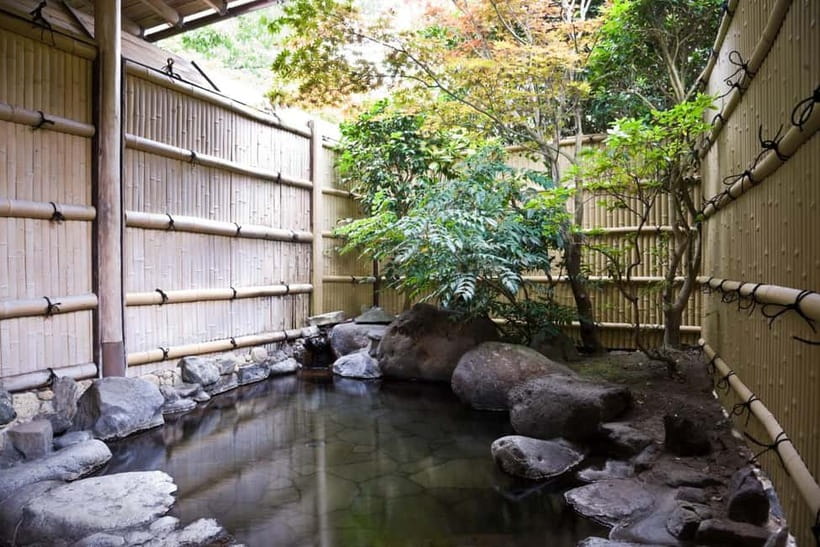
Once the explanation is finished, you can use the facility’s natural hot baths. The point is simple: sit, soak, and let your body recover from a long day.
I would not treat this as a sightseeing stop with lots of things to check off. The bath itself is the activity. You may find that the pleasure comes from doing less, especially after crowded streets, train changes, and long walks.
The use of the word natural means the bath water is presented as a natural hot bath experience, but the precise mineral content, number of tubs, temperature, and spa features are not provided. Do not book this expecting a particular sauna, massage, outdoor bath, or elaborate resort setup. Those details are not guaranteed.
That lack of showy extras can be a plus. A local sento or spa can feel more grounded than a polished hotel wellness center. You are there to take part in a Japanese custom, not to spend the afternoon comparing treatments.
Remember that the bath is communal. You will not have a private room or private tub unless the facility specifically offers one and confirms it in advance. The experience is designed to help women try a real shared bath with local support.
Another pool worth the trip:
- Tokyo: Mt Takao Tour with Ramen and Tattoo-Okay Hot Spring
★ 5.0 · 69 reviews - [Seasonal Limited] Mt. Fuji 5th Station &Hot Spring Day Tour
★ 4.5 · 53 reviews - Full Day Hiking Tour at Mt.Takao including Hot Spring
★ 5.0 · 52 reviews - Tattoo-friendly open-air Onsen & drink
★ 5.0 · 25 reviews
Ami’s role, from first nerves to quiet time
Ami is more than a person who leads you to the door. Her job is to make the experience comfortable without taking over the experience itself.
That balance matters. You need enough help to understand the customs, but you also need space to enjoy the bath on your own terms. The available comments about Ami point to her warm, discreet manner and her ability to make the visit feel soothing after busy days in Tokyo.
I would value that discretion in a communal bath. This is a personal activity, and you may not want a guide narrating every minute. The best version of the experience is likely one where Ami explains the key points, answers questions, and then gives you room to relax.
Her cultural context also helps you see the bath as part of daily Japanese life. You are not just copying a set of actions. You are learning why the order, cleanliness, quiet behavior, and shared space matter.
Towels, amenities, and what you still need to bring
A small and large towel set is included, along with the spa admission fee. That is practical, especially if you are traveling light or moving around Tokyo with a day bag.
The phrase amenities are provided suggests that you can come without preparing a full bathhouse kit. Still, keep your own basic needs in mind. The provided details do not list every amenity, such as toiletries, hairdryers, lockers, or changing-room supplies, so ask if you have a specific requirement.
You should also arrive ready for a communal bathing setting. Comfortable clothing for before and after the bath is sensible, though no dress code is specified. Bring only what you need, since the facility’s storage arrangements are not described.
A valid photo ID is required at the time of booking. That is an unusual point to miss, so have identification available when you reserve. Anyone under the influence of alcohol will not be allowed to participate. Do not plan this as a late-night drinking activity followed by a soak.
The cold milk or wagashi finish
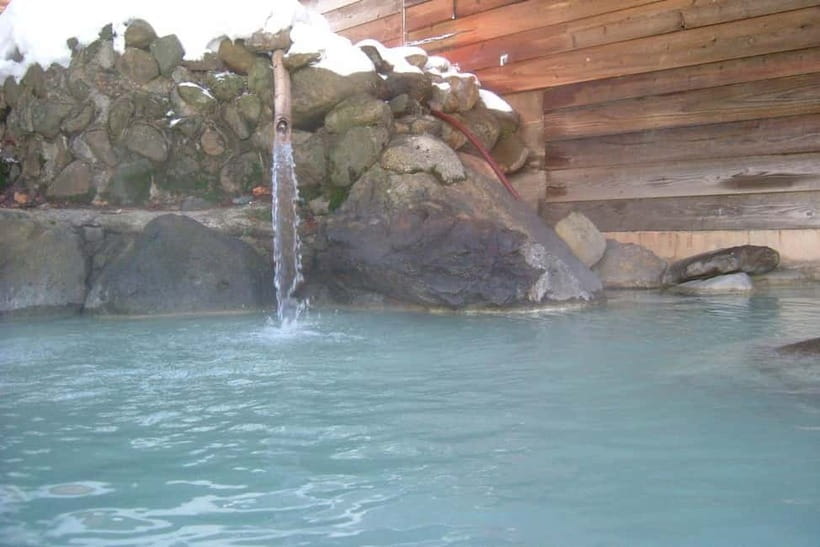
After bathing, the experience includes a choice of cold milk or seasonal wagashi, a traditional Japanese sweet. This is a small detail, but it gives the visit a pleasing local finish.
Cold milk after a bath is a familiar Japanese custom. It is not a full meal, so you should plan separate food if you will be hungry. The wagashi option adds a seasonal touch, though the exact sweet will depend on what is available.
I like this ending because it keeps the experience grounded. You are not rushed straight back to the station after changing. Instead, you have a moment to sit with the experience, cool down, and ask Ami about what you have just seen.
Do not mistake the treat for a food tour. Food and other personal expenses are not included beyond this small post-bath item. If you need dinner, coffee, or a larger snack, budget for it separately.
Is $77 a fair price?
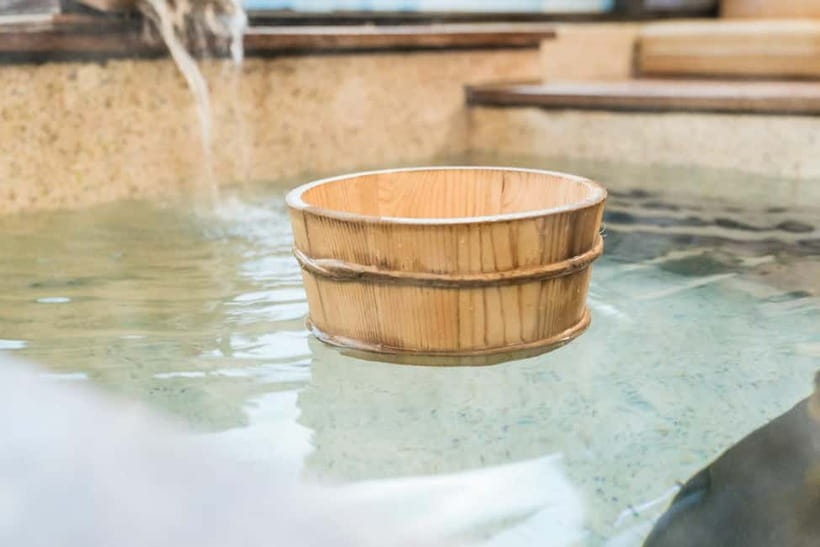
At $77 per person, this is not the cheapest way to enter a Tokyo bath. You could potentially find a local sento on your own for less, especially if you already understand Japanese bathing customs and can manage the visit without help.
The price becomes easier to justify if this is your first onsen or sento experience. It covers admission, a small and large towel set, and local English-language guidance. You are paying for confidence, cultural explanation, and a smoother first visit, not just for hot water.
I see the value in three situations. First, you have wanted to try an onsen but have avoided it because you were unsure of the rules. Second, you are a solo woman who would prefer support for a first communal bath. Third, you care about ordinary local customs more than a tourist attraction with a large sales pitch.
The value is less clear if you already use Japanese sento regularly, want a private bath, or are mainly looking for a luxury spa treatment. This experience does not promise massage services, beauty treatments, a private room, or a particular famous facility.
Transportation is separate, so add train or taxi costs to the headline price. The final amount will depend on where you are staying and how you reach Suidobashi or Korakuen.
Who should book this women-only experience?
This is a good fit for women who want a gentle introduction to Japanese communal bathing. It is especially useful if you are curious but nervous, or if you prefer learning customs from a person rather than reading instructions at the entrance.
It also suits someone recovering from a packed Tokyo schedule. The bath offers a slower evening and a chance to rest your legs. The post-bath milk or wagashi gives the outing a small sense of occasion without turning it into a formal cultural performance.
The activity is not suitable for pregnant women or wheelchair users. Participants with visible tattoos may be refused under facility rules, and anyone with full-body tattoos may not be able to join. Tattoo acceptance varies by facility, so ask before paying if this could affect you.
The women-only rule is firm. Couples or mixed-gender groups should not book this expecting to bathe together. If you are planning a shared experience with a male partner or friend, choose a different activity.
Booking details worth checking first
You can cancel up to 24 hours in advance for a full refund, which gives you some useful flexibility if your Tokyo plans change. Still, check the exact meeting time, expected duration, facility name, and tattoo policy before finalizing your plans.
The experience is offered in English. No other guide language is listed, so English is the safe choice for communication.
Reserve and pay later is available, meaning you can hold a place without paying immediately. That may help if your schedule is still taking shape, but you should still confirm the important eligibility rules before booking.
Because the activity starts and ends at the meeting point, plan enough time to reach the station and continue to your next stop. Do not assume hotel pickup, a meal, or transport is part of the $77 price.
Should you book this Tokyo sento visit?
Book it if you want to try a real Japanese bath but need help with the customs. The combination of Ami’s discreet guidance, included towels, admission, and a simple milk or wagashi finish makes the first visit easier and more meaningful.
Skip it if you want privacy, a luxury spa package, a known landmark bathhouse, or a detailed treatment menu. You should also skip it if the tattoo, pregnancy, mobility, alcohol, or women-only rules do not fit your situation.
For the right person, this is a thoughtful way to slow down in Tokyo. You get a practical lesson in local manners, time in a natural hot bath, and a calm ending to a busy day. At $77, it is a fair convenience fee for first-time bathers, but an unnecessary extra for anyone already comfortable with Japanese sento culture.
FAQ
Is this Japanese spa experience for women only?
Yes. This activity is specifically for women.
Where do I meet the guide?
You can arrange to meet at either Suidobashi Station or Korakuen Station. The activity ends back at the meeting point.
Is transportation included?
No. Local transportation, including train tickets and taxi costs, is not included. Hotel pickup and drop-off are also not provided.
Are towels and spa admission included?
Yes. The price includes the spa admission fee and a small and large towel set.
Can I join if I have a tattoo?
Visible tattoos are not allowed under the stated rules, and participants with full-body tattoos may not be able to enter because of facility policies. Confirm the policy before booking if this applies to you.
Can I cancel for a refund?
Yes. You can cancel up to 24 hours in advance for a full refund.
Freshly added soaks in Tokyo
- Japanese Head Onsen and Scalp Massage Retreat in Tokyo★ 4.5 · 2 reviews
- Tokyo Local Tattoo Friendly Public Bath Experience★ 5.0 · 4 reviews
- Mt. Fuji to Lake Kawaguchi, Lake Yamanaka and Onsen Day Tour★ 4.5 · 3 reviews
- Tattoo-friendly open-air Onsen & drink★ 5.0 · 25 reviews
- Mt. Fuji Tours to Lake Kawaguchi and Yamanaka Onsen English Guide★ 4.5 · 4 reviews
- Mt FUJI – Panoramic Tour w/ Hoto Lunch, JP Sake & Onsen tatto OK!★ 5.0 · 9 reviews
- Onsen Spa in Tokyo and Asakusa Bar Hopping with Local Guide★ 5.0 · 3 reviews
- Private Tour to Snow Monkey, Zenkoji Temple & Hot Springs Nagano★ 4.0 · 2 reviews
Japanese Onsen Tours, compared.
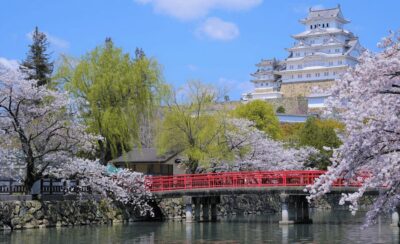
Himeji Castle, Arima Onsen & Mt. Rokko Day Tour
Read our review →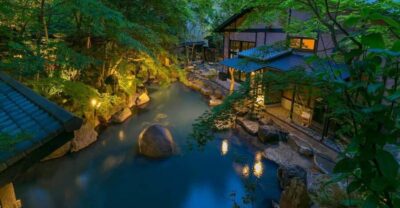
Private Tour to Fuji/Hakone – Onsen, Art, Nature
Read our review →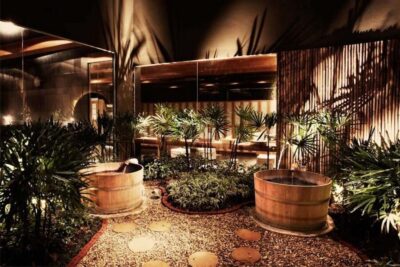
All-Day Pass to Yunomori Sathorn Onsen Bath and Spa
Read our review →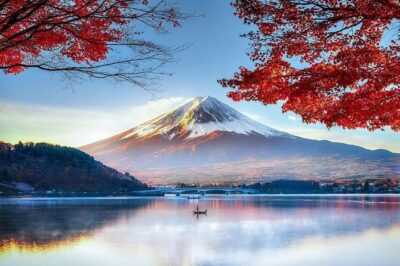
Mt. Fuji, Hakone Private Tour from Tokyo – Onsen, Arts and Nature
Read our review →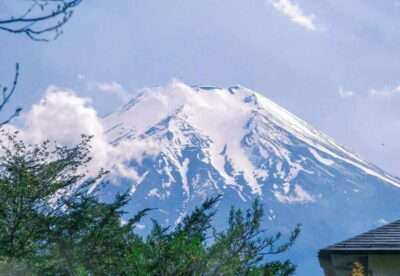
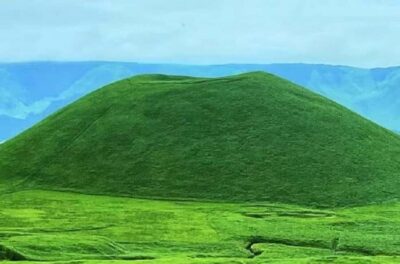
From Fukuoka: Mount Aso, Kurokawa Onsen, and Shrine Tour
Read our review →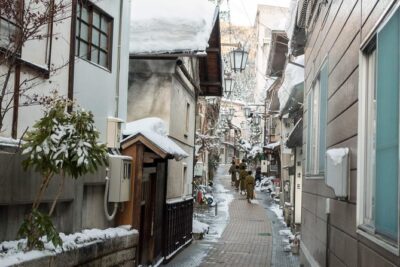
Private Nagano 1-Day Tour:Snow Monkeys,Zenko-ji,Obuse,Sake,Onsen
Read our review →More soaks worth the detour