
REVIEW · HOT SPRING HIKING TOURS
Kyoto: Hike and Hot Springs in Kurama
The best part of this outing is the change of pace. Within a short train ride of Kyoto, you are walking beneath tall cedars, climbing an old mountain route, and visiting two sacred sites far removed from the city. I especially like the Kibune to Kurama setting and the chance to pair a meaningful hike with a hot spring bath afterward.
The tour also benefits from strong guiding. Philippe, Chris, Kevin, Salome, and other guides are praised for explaining local beliefs, temple customs, and mountain legends. The main caution is the climb: this is not a casual stroll, and the summer heat can make the steps feel much tougher.
Key points to know
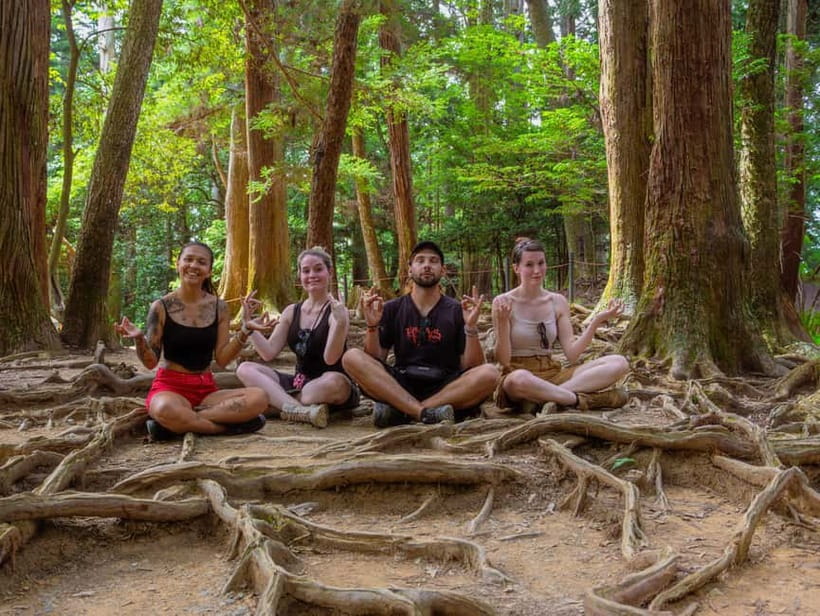
- A mountain escape near Kyoto: Ride the Eizan railway from Demachiyanagi through the northern hills to the rural villages of Kibune and Kurama.
- A real uphill hike: Reaching Kurama Temple takes about 30 to 40 minutes, with many steps and a moderate fitness requirement.
- Sacred sites along the way: Visit Kibune Shrine, make a prayer for good relationships, and explore Kurama Temple, a local power spot.
- Guides add the meaning: Philippe and other guides are praised for explaining deities, Reiki traditions, legends, and Kyoto culture.
- The onsen is optional but worthwhile: The tour ends in Kurama, where you can eat, stroll, catch the train, or pay separately for the outdoor hot spring.
- Plan your return: Transportation back to the meeting point is not included, so you finish independently in Kurama.
From Kyoto station to the northern mountains
Your meeting point is outside exit 7 at Demachiyanagi Station, in front of the Eizan railway. This location matters because the train ride is part of the pleasure, not just a way to reach the trailhead.
The Eizan line leaves the busy center of Kyoto and heads toward the forested northern hills. The ride gives you a gentle transition from city streets to mountain villages. It also saves you from arranging the route yourself, which is useful if you want your half-day to focus on the walk and temples rather than train connections.
The tour lasts four hours, but the exact starting times depend on availability. Since lunch, the hot spring, and your train ride back are outside that four-hour guided portion, plan your day with some extra time afterward.
The group can be private or small, and the guides work in English or French. A smaller group should make it easier to stop for explanations or adjust the pace, especially on the uphill section. If you want a private outing, confirm that option when booking.
More Hot Spring Hikes in Japan
- Full Day Hiking Tour at Mt.Takao including Hot Spring
★ 5.0 · 52 reviews - Traverse Outer Rim of Hakone Caldera and Enjoy Onsen Hiking Tour
★ 5.0 · 30 reviews - Samurai Guide Sho’s Mt. Takao Hike, Temple & Onsen from Shinjuku
★ 5.0 · 9 reviews
Kibune Shrine and the meaning of the route
The walk begins near a sacred shrine in Kibune. The area is known for its river setting, cedar forest, and traditional mountain atmosphere. The shrine visit gives the hike a clear purpose, rather than making it just a nature walk.
You will have a chance to visit Kibune Shrine and make a prayer for good relationships. That focus gives the first part of the outing a personal touch. If you are interested in Japanese religious customs, ask your guide about the local beliefs and how the shrine fits into the wider spiritual character of the area.
The route then leads toward Kurama Mountain. You should expect steps, uneven ground, and a steady climb. The supplied timing says the summit can be reached in about 30 to 40 minutes, but the full walk includes stops and visits, so do not treat that figure as the total hiking time.
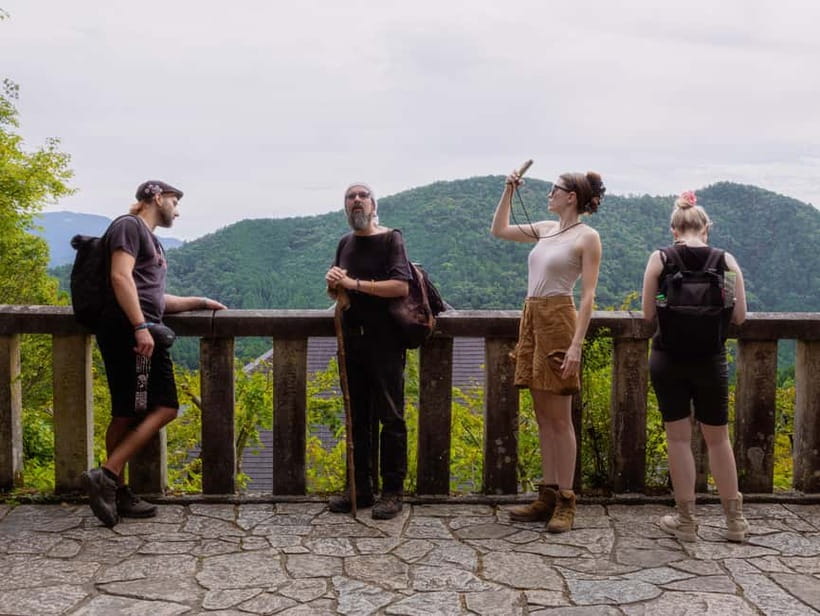
I like the way this trail combines exertion with pauses. You are not simply marching uphill. Your guide can stop to point out features of the forest, explain local stories, and give you time to catch your breath. Several guides are praised for being patient and adjusting the pace, which is especially helpful when the group has mixed fitness levels.
Climbing Kurama Mountain through cedar forest
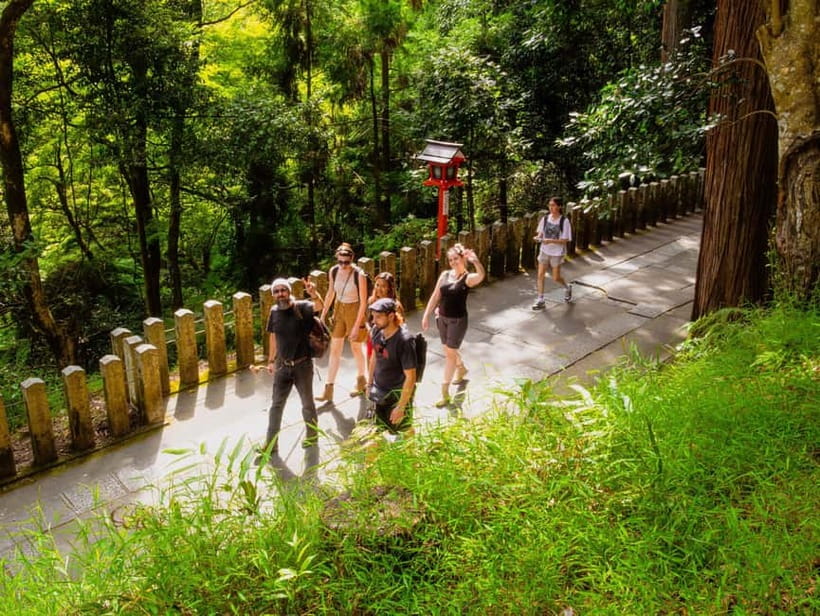
The forest is the star of the middle section. Tall cedars, clean mountain air, and the quiet of the trail create a sharp contrast with central Kyoto. You may also find seasonal changes in the setting. One winter outing included light snow and sightings of deer, while another excursion involved spotting a monkey.
Those moments are possible rather than promised, so come for the forest and the temples, not for wildlife. Still, the route has enough natural interest to keep the climb from feeling like a workout with no reward.
You need a decent level of fitness. The description calls the hike moderate, but the practical details are more demanding than that label might suggest. One person found the route hard in hot weather and felt hiking experience was important. Another described the climb as daunting even though the guide made it manageable.
Wear comfortable shoes with a firm sole. Long pants are a smart choice if you want to reduce the chance of insect bites. Bring water, and do not assume that the short distance means the walk will be easy. Heat, humidity, and repeated steps can change the effort quickly.
The guide’s role matters here. Philippe is repeatedly praised for knowing the forest route and allowing time for breaks. He has also taken groups to less familiar parts of the mountain, including unusual areas beneath or near the temple complex when conditions allowed. That sort of local judgment is one reason to book a guided version instead of simply walking the route alone.
Kurama Temple and the mountain’s spiritual side
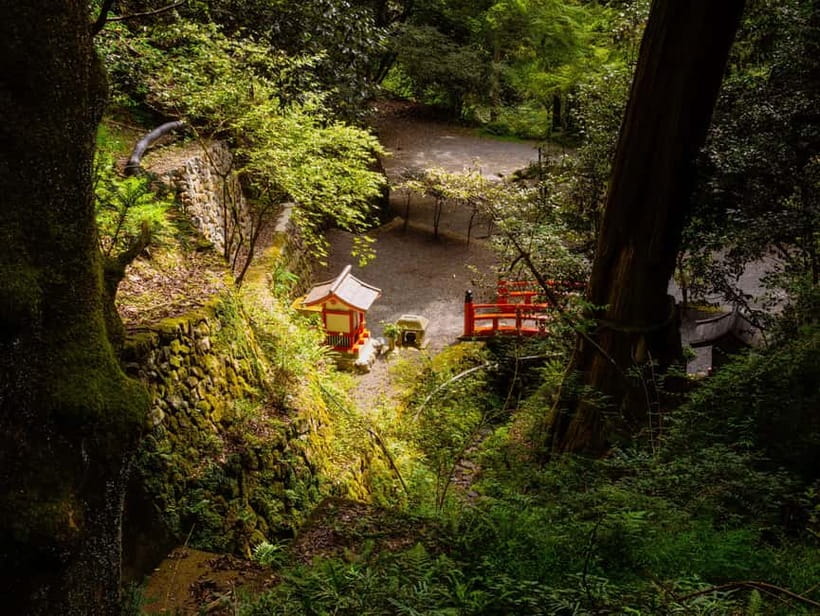
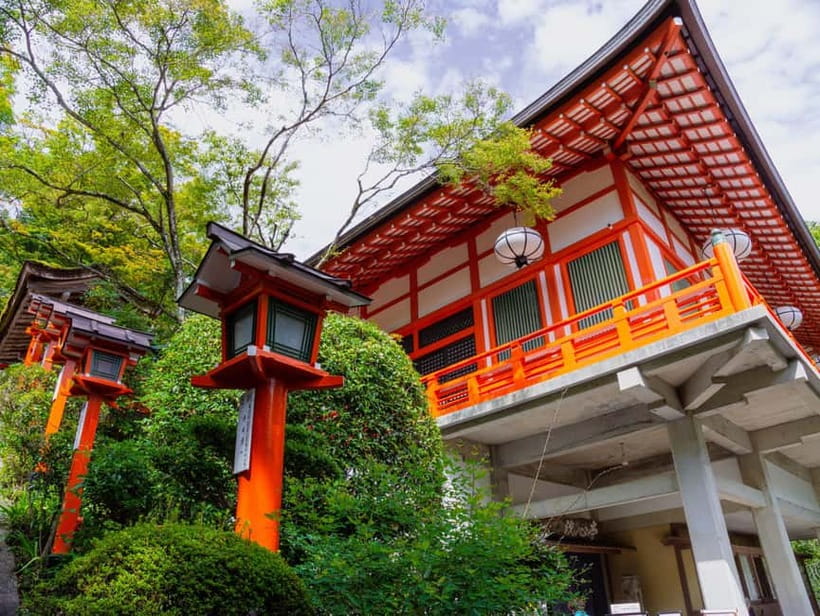
At the top, you visit Kurama Temple. It is a special stop even if you are not religious, because the temple gives the mountain walk a cultural center. The site is regarded locally as a power spot, and your guide can explain the beliefs and stories linked with it.
You will have time to offer prayers, take in the valley views, and recover from the climb. The air is cooler and fresher than in the city, and the setting provides the quiet pause most visitors need after the uphill section.
The temple may be affected by maintenance work. During one visit, scaffolding covered much of the building, although the group could still enter and ring a large bell in the hills above the temple. This is worth keeping in mind if you are booking mainly for a perfect temple photograph. Access and appearance can change with construction.
The cultural explanations are one of the tour’s strongest points. Guides have discussed the area’s deities, temple customs, Japanese traditions, and the connection between Mount Kurama and Reiki. If that subject interests you, Philippe has particular experience explaining the mountain’s importance to Reiki practitioners.
Do not expect a long, formal temple lecture. The value comes from being able to ask questions as you walk. That makes the history and religious ideas easier to understand than a quick visit on your own.
Another pool worth the trip:
- From Osaka: Himeji Castle, Arima Onsen & Mt. Rokko Day Tour
★ 4.6 · 339 reviews - Osaka: Nara and Uji Day Trip with Deer Park and Hot Spring
★ 4.4 · 302 reviews - Kyoto: Traditional Concert at Townhouse or Bathhouse
★ 4.9 · 224 reviews - From Tokyo: Private Tour to Fuji/Hakone – Onsen, Art, Nature
★ 5.0 · 116 reviews
Descending into the village of Kurama
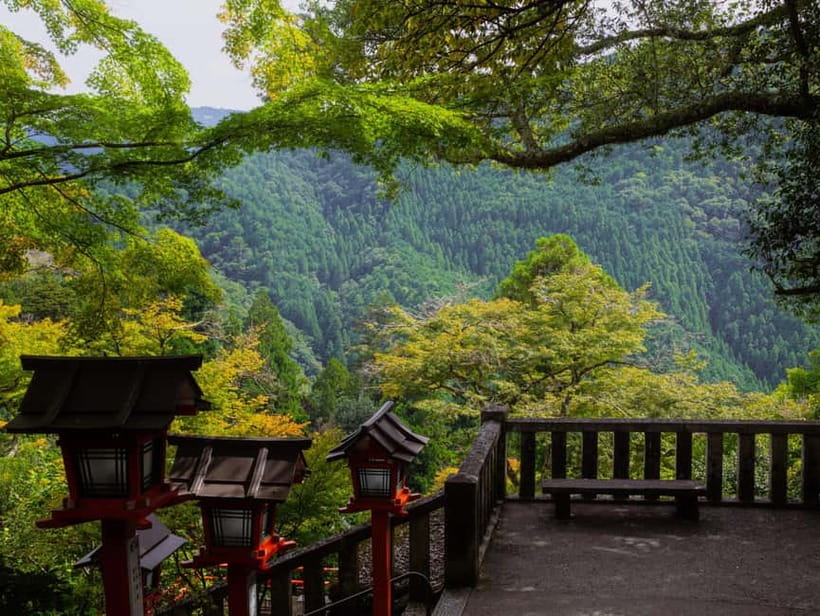
After the temple visit, you follow steps down toward Kurama village. The descent is easier for some people than the climb, but it still requires care. Wet weather, tired legs, or unsuitable shoes can make downhill steps uncomfortable.
Kurama is a small mountain settlement with places to eat and sit near the river. The guided portion concludes here, with advice on how to spend the rest of your time. You can have a late lunch, stroll through the village, return by train, or continue to the hot spring.
This flexible finish is useful because not everyone wants the same ending. Some people will want food right away. Others will prefer the bath, while a few may need to head back to Kyoto. The downside is that the tour does not include transportation back to the original meeting point, so you are responsible for your return journey from Kurama.
Lunch is also not included. That keeps the base price lower, but you should budget for food if you plan to eat in the village. The guides can point you toward options, though the supplied details do not promise a particular restaurant or meal.
Why the Kurama hot spring makes sense
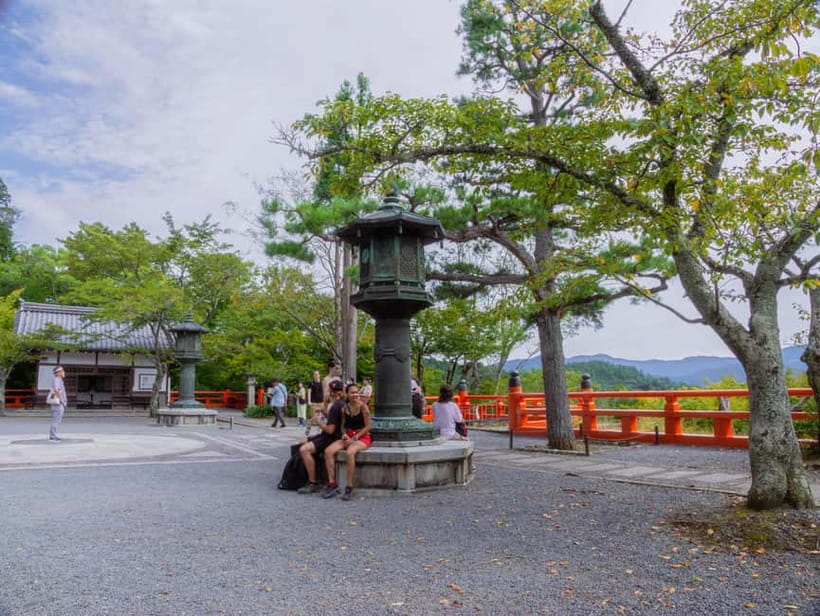
The optional hot spring is the natural finale. After a climb and descent, a warm bath can turn a demanding half-day into a genuinely restorative outing. The Kurama bath is known for its outdoor setting and mountain views, giving you a chance to sit quietly rather than rush straight back into Kyoto.
The hot spring fee is not included in the $80 price. The tour can provide a special discounted ticket, but you should still treat the bath as an extra cost. Bring whatever you need for the bath according to the facility’s rules, although the supplied information does not specify those rules or included amenities.
I would strongly consider adding it if your schedule allows. The forest walk gives you energy, while the bath helps settle tired legs. One important practical point: the tour itself ends with guidance in Kurama. The hot spring is an optional extension, not part of the four-hour guided hike.
What $80 gets you
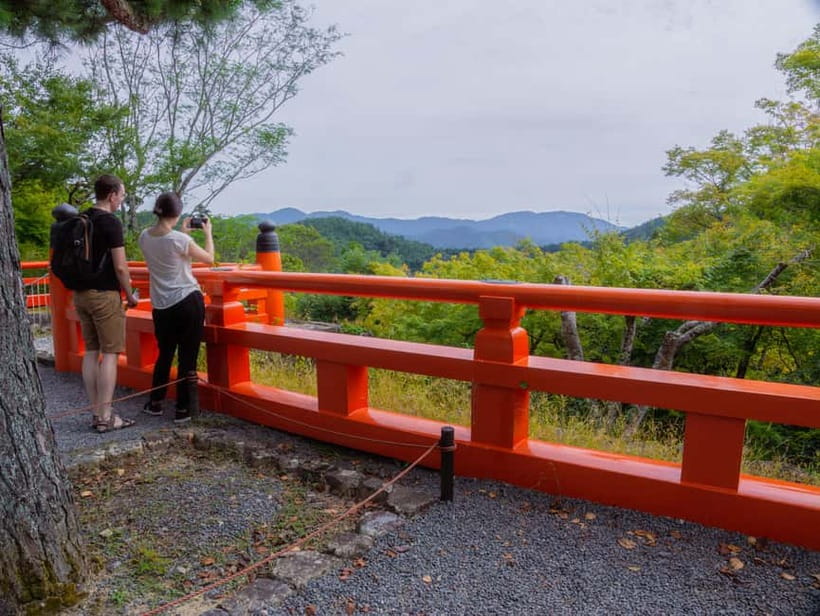
At $80 per person, the price includes the guide fee, temple admission, and transportation during the guided outing. It does not include your food, the optional hot spring, or transportation back to the starting point.
That is a reasonable price if you want context and help with the route. You are paying for more than a train ride and a mountain path. A good guide can explain why Kibune and Kurama matter, keep the climb at a sensible pace, and show you details that are easy to miss.
The value depends on what you want. If you only need a walk in the woods, you could prefer making your own way to the area. If you want the religious background, local legends, and a flexible small-group pace, the guided format earns its cost.
The guide quality appears to be important. Philippe is often singled out for being funny, attentive, and well informed about Kurama. Chris is praised for taking groups to less familiar spots, while Kevin is noted for giving cultural and historical context. Since the assigned guide can vary, do not book on the assumption that one particular person will lead your date unless the provider confirms it.
Who should book this hike
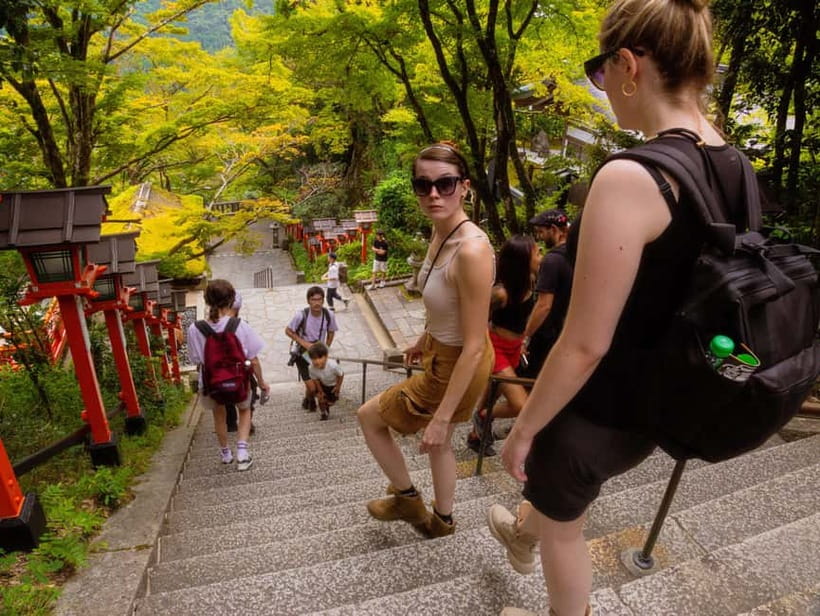
I would choose this for an active adult who wants a clear contrast with Kyoto’s temples, shopping streets, and crowded central sights. It suits people who enjoy walking uphill and would rather spend a half-day in cedar forest than inside another city attraction.
It is also a good match for anyone interested in Japanese spiritual traditions. The combination of Kibune Shrine, Kurama Temple, local legends, and the mountain’s connection with Reiki gives the outing more substance than a simple scenic hike.
This is not suitable for children under 11, wheelchair users, people with mobility impairments, or people without hiking experience. Those restrictions are important. The route includes a mountain climb and stairs, and the guide cannot remove the physical demands of the trail.
In hot weather, start with water and realistic expectations. In cooler months, the forest can feel especially peaceful, and light snow is possible, but weather can affect the footing and temple views. Comfortable shoes are essential in every season.
How to make the most of the four hours
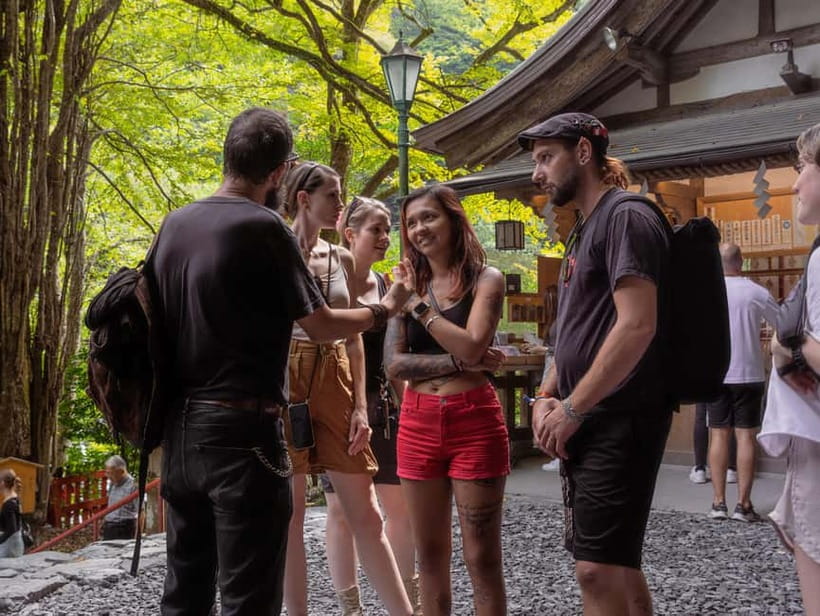
Arrive ready to walk, not dressed for a standard city tour. Wear long pants if insects concern you, choose supportive shoes, and carry water in a bottle you can reach easily.
Keep lunch and the hot spring in your plan from the beginning. The guided time may end in Kurama, but you will enjoy the outing more if you do not have to rush off immediately. The village gives you room to slow down after the hike.
Use the walking time to ask questions. Guides such as Philippe have explained the temple’s deities, the area’s legends, Japanese customs, and the role of Reiki. The more curious you are, the more useful the guided format becomes.
Finally, allow for your return train and any extra time at the bath. The base tour is four hours, but the complete outing can comfortably fill much of a day once you include lunch, bathing, and the journey back to Kyoto.
Should you book it?
Book this tour if you want nature, sacred sites, and a moderate mountain challenge in one outing. The train ride, cedar forest, Kibune Shrine, Kurama Temple, and optional hot spring create a varied day that feels far removed from central Kyoto.
Skip it if stairs are difficult, you dislike guided walking, or you want a completely relaxed sightseeing trip. The route is more demanding than a casual stroll, and the hot spring, lunch, and return transportation cost extra.
For the right person, this is one of Kyoto’s better half-day escapes. Choose sturdy shoes, carry water, and keep enough time for the onsen. That is the simplest way to get the most from the mountain.
FAQ
Where does the tour meet?
The meeting point is at exit 7 of Demachiyanagi Station in Kyoto, in front of the Eizan railway.
How long does the tour last?
The guided activity lasts four hours.
What does the price include?
The $80 price includes the guide fee, temple admission, and transportation included during the tour.
Is the hot spring included?
No. The hot spring fee is separate, although a special discounted bath ticket may be available.
Is lunch included?
No. Lunch is not included. You can eat in Kurama after the guided hike.
How difficult is the hike?
The hike is described as moderate and includes steps to Kurama Temple. Reaching the top takes about 30 to 40 minutes, and you should have a decent level of fitness and some hiking experience.
What should I bring?
Bring comfortable shoes and water. Long pants are recommended if you want to reduce the chance of insect bites.
Can I return to Kyoto with the group?
Transportation back to the meeting point is not included. The tour ends in Kurama, where you receive guidance about taking the train back.
What languages are available?
Live guiding is available in English and French.
Who cannot join this activity?
The hike is not suitable for children under 11, people with mobility impairments, wheelchair users, or people without hiking experience.
Freshly added soaks in Japan
- 1-Day Tour from Takayama: Unveiling the Charm of Gero Onsen★ 5.0 · 5 reviews
- Mount Fuji – Hakone & Onsen Full Day Private Tour★ 3.8 · 6 reviews
- Mt. Fuji, Hakone Private Tour from Tokyo – Onsen, Arts and Nature★ 5.0 · 79 reviews
- Himeji Castle, Arima Onsen & Mt. Rokko: 1-Day Bus Tour from Osaka★ 4.0 · 28 reviews
- Osaka: Tennen Onsen Naniwa-no-Yu, the famous hot spring spa★ 4.7 · 19 reviews
- Osaka: Solaniwa Onsen Hot Spring Visit★ 4.6 · 51 reviews
- 1-Day Winter Tour From Nozawa Onsen: Snow Monkeys, Zenko-ji Temple & Sake★ 5.0 · 32 reviews
- Snow Monkey Park, Soba Lunch and Shibu Onsen Tour★ 5.0 · 12 reviews
Hot Spring Hiking Tours, compared.
Mount Batur Sunrise Guided Hike and Natural Hot Spring
Read our review →
National Park Hike & Finnish Smoke Sauna Experience with Campfire Lunch
Read our review →
Montanejos Hiking Tour & Thermal Pools from Valencia
Read our review →
Landmannalaugar Hike and Hot Springs from Reykjavik & Hella
Read our review →
Full-day Rila Mountains, Seven Lakes Hike, and Hot Springs Tour from Sofia
Read our review →
Mount Batur Sunrise Trekking & Natural Hot Spring – All Inclusive
Read our review →More soaks worth the detour