
REVIEW · JAPANESE ONSEN TOURS
Kobe Guided Tour Including Port Area and Arima Onsen Town
Kobe’s appeal comes from its sharp change of mood. In one four-hour tour, you can explore a port city shaped by international trade, then head toward Arima Onsen, a traditional hot-spring town beyond Mount Rokko. It is a useful way to see two very different sides of Kobe without sorting out every connection yourself.
I like the local, question-friendly guiding style, especially with Yuta, whose clear English and warm manner helped one late-arriving couple find the group. I also like the chance to learn Japanese manners while sampling cuisine and confectionery, rather than simply checking off viewpoints.
The main caution is time. Four hours is enough for a broad introduction, not a slow, detailed visit to every part of Kobe and Arima. You’ll also pay transportation and meal costs separately, and the exact onsen arrangements should be confirmed before booking.
Key points to know before booking
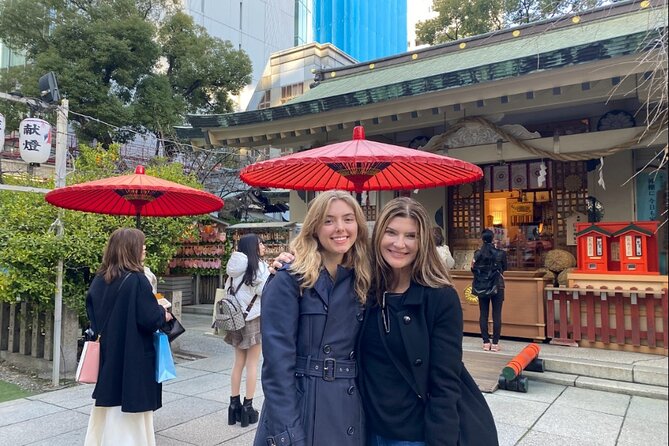
- Two very different Kobe experiences: See the port area’s international character and the traditional hot-spring setting of Arima Onsen.
- A personal guide-led outing: Yuta is one named guide, and English and Japanese are offered.
- Cultural details matter: Learn Japanese manners, local culture, and history while visiting rather than just taking photos.
- Food is part of the plan: Japanese cuisine and confectionery are included as themes, but meal costs are not included.
- You need cash and good shoes: Transport and food are extra, and comfortable clothing is recommended.
- A short, active overview: The tour lasts four hours and returns to JR Motomachi Station.
From JR Motomachi to Kobe’s port character

Your meeting point is the East Exit of JR Motomachi Station. Take care here: this is JR Motomachi, not a Motomachi station on the Hankyu line. You meet near the ticket gates, then begin an outing designed to show why Kobe feels different from many inland Japanese cities.
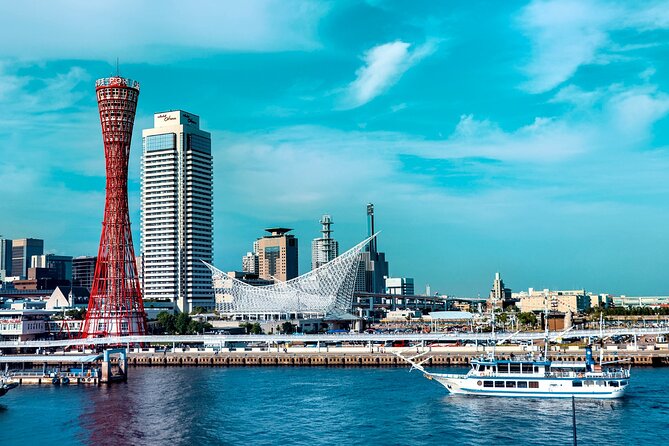
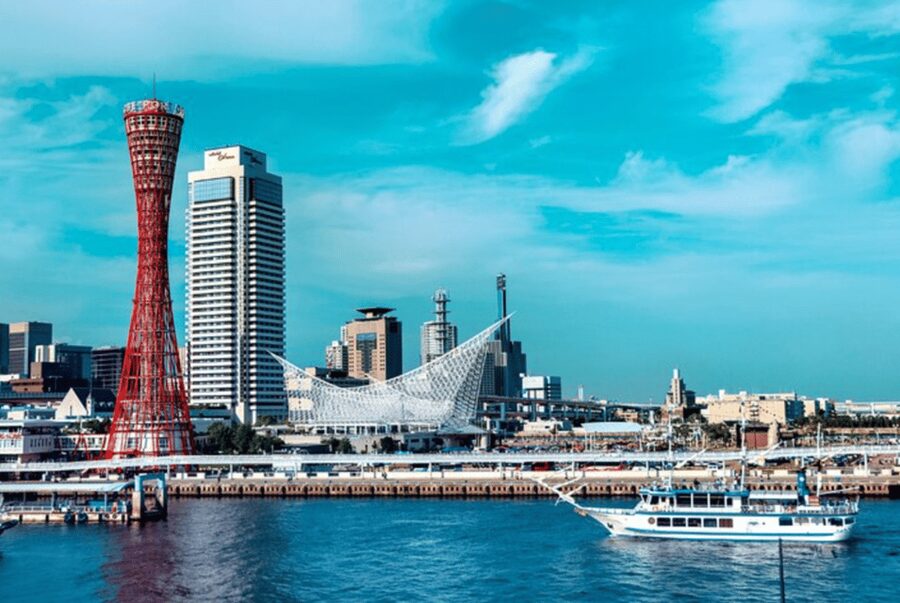
Kobe grew as a port city connected to imports, trade, and international residents. That outside influence helped create a local culture with a more outward-looking character. On the port side of the tour, your guide can explain that setting in practical terms, linking the city you see today with the trading activity that shaped it.
The supplied details do not name every port stop, so you should not expect a fixed checklist of landmarks unless the guide confirms one. Think of this part as a guided introduction to Kobe’s port identity. That can be more useful than rushing between famous buildings, particularly if you want context for the city rather than a long photo stop.
I would ask at the start how much time will be spent in the port area and how much in Arima. The tour promises broad coverage, but the balance may change with transport conditions and the group’s interests. The guide-led format gives you room to ask questions, though it also means the experience may feel less like a rigid, minute-by-minute sightseeing route.
More Onsen Tours in Japan:
- From Osaka: Himeji Castle, Arima Onsen & Mt. Rokko Day Tour
★ 4.6 · 339 reviews - From Tokyo: Private Tour to Fuji/Hakone – Onsen, Art, Nature
★ 5.0 · 116 reviews - Mt. Fuji, Hakone Private Tour from Tokyo – Onsen, Arts and Nature
★ 5.0 · 79 reviews
Crossing from modern Kobe to Arima Onsen
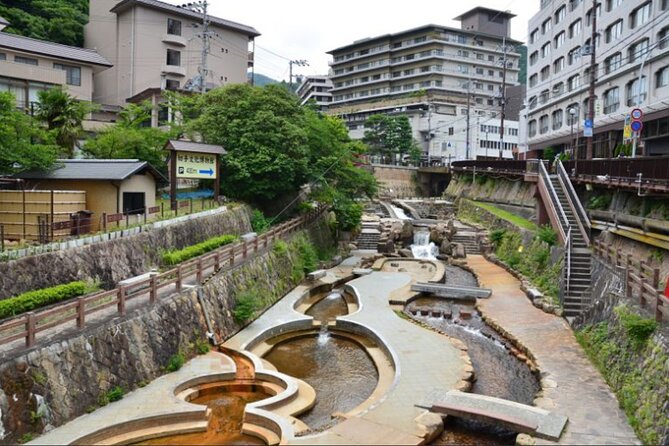
The most interesting feature is the contrast between the two areas. After the port setting, the tour takes you over the Rokko mountain area toward Arima Onsen town. You move from Kobe’s trade-oriented city culture to a place associated with traditional Japanese bathing and slower streets.
Arima is presented as a nostalgic hot-spring town, and the tour’s aim is to let you try an authentic onsen experience. That wording matters. An onsen is not simply a spa with a heated pool. It comes with customs, including how you enter the bathing area, where you wash, and how you behave around other bathers.
Your guide can help make those rules less awkward. This is especially useful if you have never visited a Japanese bath before or worry about making a small social mistake. The tour specifically teaches Japanese manners, so the cultural explanation is a central part of the experience, not an extra lecture added at the end.
There is one practical point to clarify before you go. The details confirm that transportation and meals are not included, but they do not state whether any onsen admission fee is included. Ask the provider what you must pay on the day and whether the bathing portion involves a particular facility.
Bare feet are not allowed for the activity, and comfortable shoes and clothing are requested. That rule may relate to moving through the tour and its facilities, so follow the guide’s instructions. Bring cash, since food and transport costs are extra and payment arrangements for other purchases are not specified.
What an authentic onsen visit means for you
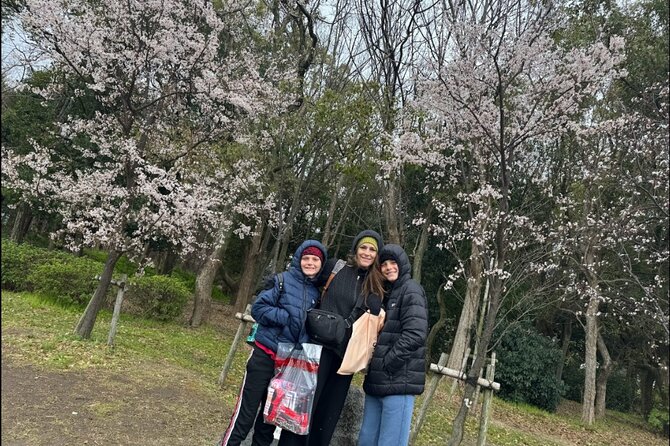
The value of Arima is not only the chance to get into hot water. It is a chance to see how bathing fits into Japanese daily customs. A guide can explain the order of actions and the manners that may not be obvious from a sign or a quick internet search.
If you are comfortable with the idea of a traditional onsen, this part may be the tour’s strongest feature. You get cultural help at the exact moment you need it. If you are shy about communal bathing, the experience may require more preparation. The available information does not say whether a private bath, alternative activity, or non-bathing option is available, so ask before reserving if that matters to you.
The tour is not suitable for people with a cold. That is sensible for a shared bathing setting and also important for your own comfort. It is also not suitable for people over 95 years old, according to the stated restrictions.
You should also think about the time of day and your energy. This is a four-hour outing with city sightseeing, transport, cultural explanation, and an onsen visit. It is not a long stay in Arima with hours to wander at leisure. You are paying for an efficient introduction and local assistance, not an entire day at the hot springs.
Food, confectionery, and the pleasure of small explanations
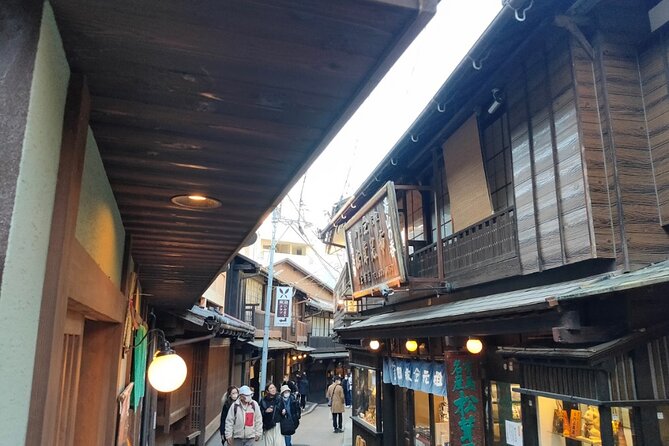
Japanese cuisine and confectionery are part of the advertised experience. The information does not specify a restaurant, menu, tasting size, or particular sweet, so treat the food element as an opportunity to eat during the tour rather than a fixed culinary itinerary.
That distinction is useful when comparing this experience with a dedicated food tour. If you want a long meal or a carefully planned tasting menu, this may not be the right choice. If you want a chance to ask what you are eating and connect food with local customs, the guide adds value.
Meals are not included in the $57 price. Set aside extra cash for anything you choose to eat, and do not assume that the tour fee covers lunch, snacks, or admission. The gift for each guest is included, which gives the outing a small personal touch, but the description does not say what the gift is.
I like the way the food and manners fit the wider purpose of the tour. You are not only moving through Kobe. You are learning how to behave, what to notice, and how local food fits into the visit. That is often more useful than collecting another list of place names.
More Guided Tours in Japan:
- Guide tour of Japanese bathing culture at Funaoka Onsen
★ 5.0 · 15 reviews - Samurai Guide Sho’s Mt. Takao Hike, Temple & Onsen from Shinjuku
★ 5.0 · 9 reviews - Kobe Guided Tour Including Port Area and Arima Onsen Town
★ 4.5 · 5 reviews - Mt. Fuji Tours to Lake Kawaguchi and Yamanaka Onsen English Guide
★ 4.5 · 4 reviews
Yuta’s role and the value of a local guide
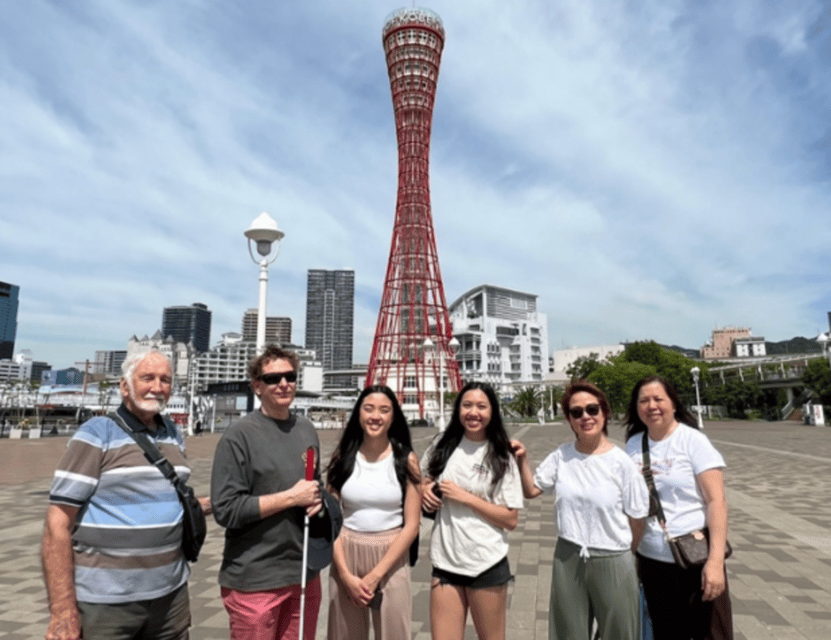
The strongest personal detail attached to this experience is the guide Yuta. He is described as friendly, with clear English, and willing to answer questions on many subjects. That makes a real difference on a short tour, where every minute matters.
One couple arrived late because of a train mistake. Yuta helped them find the group and even went looking for them. You should not plan to arrive late, of course, but this gives you a useful picture of the guiding style: practical help, patience, and attention to the people in front of him.
The tour is offered in English and Japanese. If you need English, the available feedback indicates that Yuta communicates clearly with English-speaking participants. Other guides may lead the experience, so confirm the guide’s name and language if that is important to you.
The personalized format is a good fit if you enjoy conversation. You can ask about Japanese culture, local customs, Kobe’s port connections, or the onsen rules as they arise. The trade-off is that a conversational tour may not follow the same exact path every time. If you want a fixed route with every landmark guaranteed, request more itinerary detail before booking.
Is $57 a fair price for four hours?
At $57 per person, the value depends on what you need. You are not simply buying transport or admission. You are paying for a local guide, a four-hour plan connecting two distinct parts of Kobe, cultural explanation, and help with the practical side of an onsen visit.
That is a reasonable price if you would otherwise spend time working out the route between the city and Arima, reading up on bathing customs, and trying to decide where to go. The guide’s help is especially valuable for first-time visitors who want to ask questions in English.
The price is less attractive if you already know Kobe well, speak Japanese comfortably, and prefer to arrange your own transport and meals. You will still need to pay those costs separately. The experience also does not promise a full meal, a private bath, or a detailed visit to every major sight.
I would compare the total cost, not only the advertised fee. Add train or other transportation fares, food, and any onsen admission that applies. Then decide if the convenience and cultural guidance are worth the difference between a self-guided outing and a planned four-hour introduction.
Who will enjoy this Kobe outing most?
I would recommend it to a first-time Kobe visitor with limited time. You get a clear look at the city’s port identity and a taste of traditional Arima without giving up a full day. It also suits people who want to understand Japanese etiquette instead of guessing their way through an onsen.
It is a good match for solo visitors, couples, and small groups who like asking questions. Yuta’s helpful response to a train mix-up suggests that the human side of the tour is important. You should be comfortable with a guide-led schedule and with paying for some parts as you go.
It may not suit someone seeking a long, quiet soak or a deep visit to either location. Four hours goes quickly, and the tour’s promise is broad coverage. Visitors with a cold, people over 95, and anyone unable to follow the no-bare-feet rule should choose another activity.
Meeting details and simple preparation
Meet at the East Exit of JR Motomachi Station, near the ticket gates. Double-check that you are using the JR station, not the Hankyu line station. A wrong station can cost precious time before a short tour even begins.
Wear shoes you can walk in and clothes that are comfortable for moving between city sights, transport, and the onsen setting. Bring cash for transportation and meals. A small amount of planning here will make the four hours much easier.
The activity ends back at the meeting point. That is handy if you have left luggage, planned another Kobe activity nearby, or want to continue exploring the city after the guide says goodbye.
You can reserve now and pay later, which helps if your route through Japan is still changing. Cancellation is allowed up to 24 hours before the tour for a full refund. The provider is Spejapa-Excursion.
My call: book it for contrast, not exhaustive sightseeing
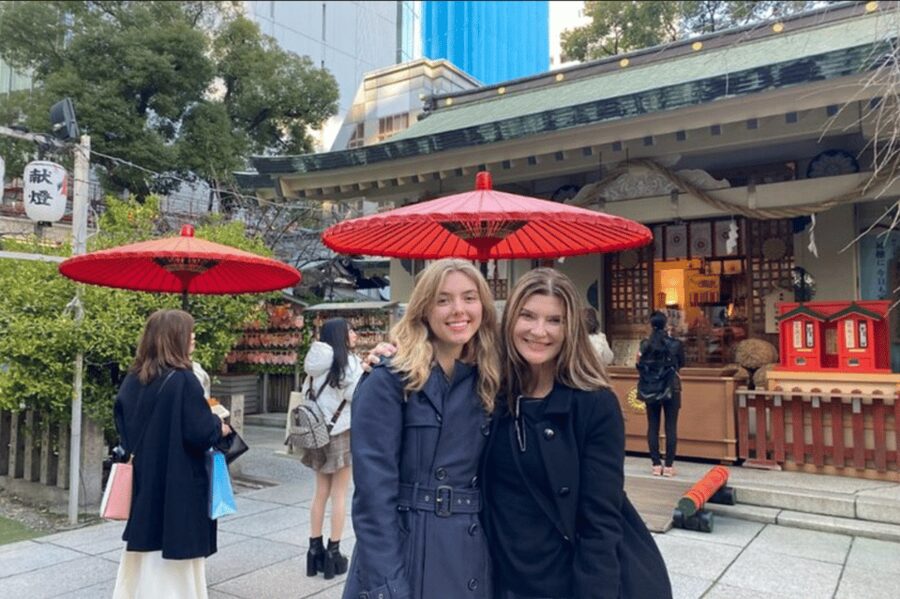
I would book this tour if you want a friendly introduction to Kobe that combines port-city culture with traditional bathing customs. The guide support, especially from Yuta, is a major reason to choose it. Clear English, help with train confusion, and a willingness to answer questions can turn a potentially awkward onsen visit into a manageable cultural experience.
I would skip it if you want a detailed museum-style tour, a long independent stay in Arima, or a fully inclusive price. The four-hour schedule is compact, transport and meals are extra, and the precise stops are not listed. For the right visitor, though, the contrast between Kobe and Arima gives this short outing a strong sense of place.
FAQ
How long does the Kobe guided tour last?
The activity lasts four hours.
Where does the tour meet?
Meet at the East Exit of JR Motomachi Station, near the ticket gates. This is the JR station, not the Hankyu line station.
Where does the tour finish?
The tour ends back at the meeting point at JR Motomachi Station.
Which languages are available?
The tour is offered in English and Japanese.
Is transportation included in the price?
No. Transportation fares are not included and must be paid separately.
Are meals included?
No. Meal costs are not included.
Is an onsen experience part of the tour?
Yes. The tour includes the chance to try an authentic onsen and visit Arima Onsen town. Confirm any specific admission arrangements before booking.
What should I bring?
Bring comfortable shoes, comfortable clothes, and cash.
Can I cancel for a full refund?
Yes. You can cancel up to 24 hours in advance for a full refund.
Freshly added soaks in Japan
- Japanese Head Onsen and Scalp Massage Retreat in Tokyo★ 4.5 · 2 reviews
- Tokyo Local Tattoo Friendly Public Bath Experience★ 5.0 · 4 reviews
- Mt. Fuji Tours to Lake Kawaguchi and Yamanaka Onsen English Guide★ 4.5 · 4 reviews
- Mt. Fuji to Lake Kawaguchi, Lake Yamanaka and Onsen Day Tour★ 4.5 · 3 reviews
- Tattoo-friendly open-air Onsen & drink★ 5.0 · 25 reviews
- Mt FUJI – Panoramic Tour w/ Hoto Lunch, JP Sake & Onsen tatto OK!★ 5.0 · 9 reviews
- Onsen Spa in Tokyo and Asakusa Bar Hopping with Local Guide★ 5.0 · 3 reviews
- Private Tour to Snow Monkey, Zenkoji Temple & Hot Springs Nagano★ 4.0 · 2 reviews
Japanese Onsen Tours, compared.
Himeji Castle, Arima Onsen & Mt. Rokko Day Tour
Read our review →
Private Tour to Fuji/Hakone – Onsen, Art, Nature
Read our review →
All-Day Pass to Yunomori Sathorn Onsen Bath and Spa
Read our review →
Mt. Fuji, Hakone Private Tour from Tokyo – Onsen, Arts and Nature
Read our review →
From Fukuoka: Mount Aso, Kurokawa Onsen, and Shrine Tour
Read our review →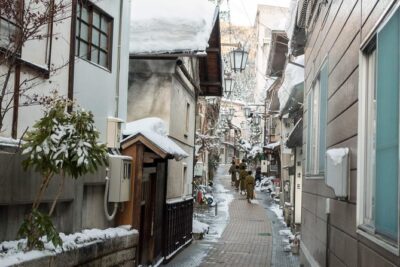
Private Nagano 1-Day Tour:Snow Monkeys,Zenko-ji,Obuse,Sake,Onsen
Read our review →More soaks worth the detour