
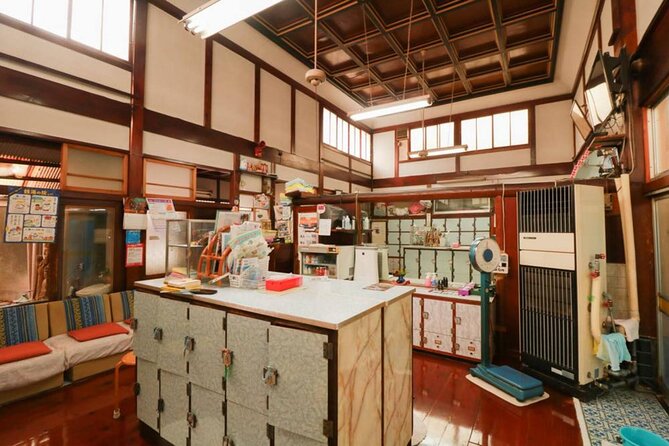
REVIEW · JAPANESE ONSEN TOURS
Authentic Onsen Experience Tattoo Friendly Hidden Gem in Shinjuku
The most memorable part of this Shinjuku experience is not a fancy spa treatment. It is the chance to enter a working neighborhood sento, a public bathhouse built in 1954 and still used by local residents. A bilingual guide explains the customs before you step into the bathing area, which makes this a calm first introduction rather than a guessing game.
I like the clear etiquette lesson and the choice to bathe or simply look around and relax with a drink. I also like the small group size, capped at six people, and the human touch shown by guide Kosei, who has been praised for making the visit feel friendly and easy.
The main consideration is privacy. The male guide cannot accompany female bathers, so women use the bath on their own after the orientation. The experience lasts about one hour, which is enough for a useful introduction but not a long soak.
Key points at a glance
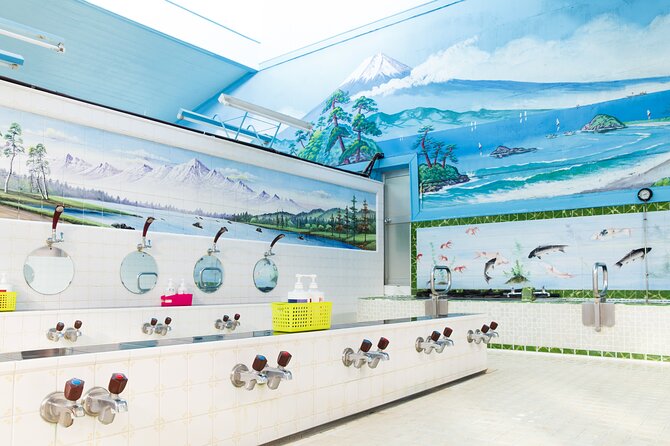
- A 1954 sento in Shinjuku: You visit a real local bathhouse, not a purpose-built tourist spa.
- Bilingual orientation: Learn the shoe-locker system, changing-room routine, washing rules, and bath etiquette before you begin.
- Optional bathing: You can soak, observe the building, study the murals, or relax in the lobby with a drink.
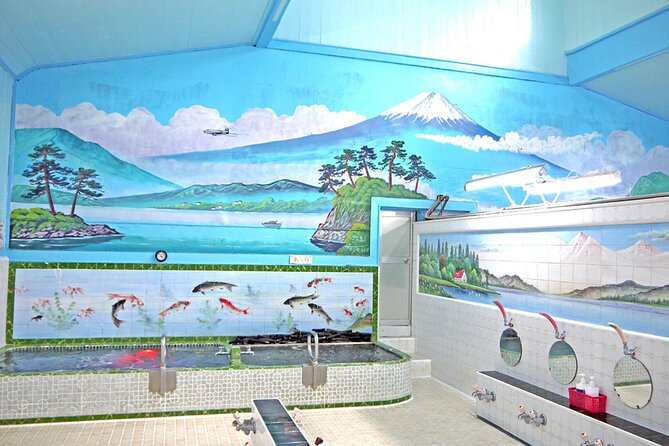
- Mount Fuji murals: The guide explains why this familiar image became part of Japanese bathhouse culture.
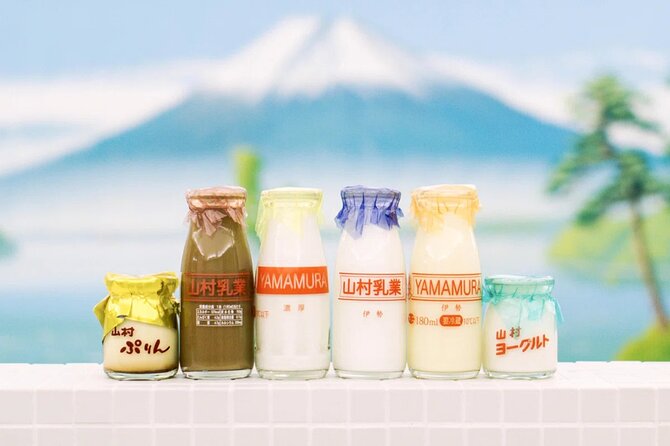
- Classic post-bath drink: Your price includes bottled milk, milk coffee, fruit milk, or a soft drink.
- Small and beginner-friendly: The group is limited to six, and the activity takes about an hour.
Why this Shinjuku bathhouse feels different
Tokyo has plenty of polished wellness spas, but a sento serves a different purpose. It is a public bathhouse where people come to wash, warm up, and spend a little time in a shared setting. The point is not luxury. The point is the ritual.
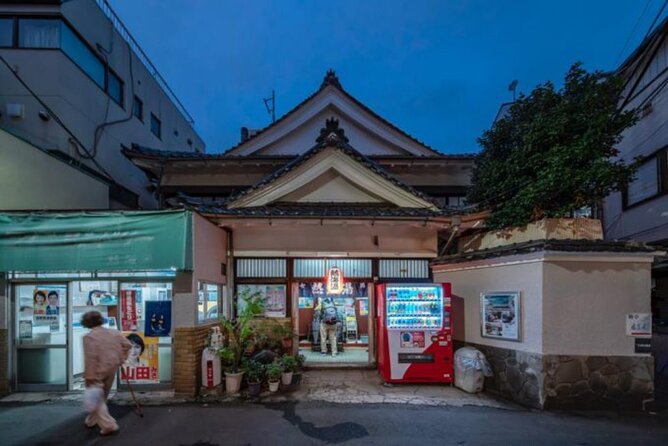
This bathhouse dates from 1954, a period when sento played an important role in ordinary Japanese life. Many homes did not yet have private baths, so the local bathhouse became part of the weekly routine and a place where neighbors crossed paths.
That background gives the visit more weight than a simple hot-water stop. You are seeing a piece of postwar community life that still survives in modern Tokyo. The building, entrance, murals, lockers, and bathing spaces all help explain how daily customs took shape.
I especially like that the experience does not try to turn the sento into a staged show. You are introduced to a real place with its own local rhythm. That can feel more personal than visiting a large tourist attraction, but it also means you should arrive ready to respect the bathhouse’s rules and quiet tone.
More Onsen Tours in Tokyo
- From Tokyo: Private Tour to Fuji/Hakone – Onsen, Art, Nature
★ 5.0 · 116 reviews - Mt. Fuji, Hakone Private Tour from Tokyo – Onsen, Arts and Nature
★ 5.0 · 79 reviews - Mt. Fuji 5th, Oshino Hakkai, Onsen Full-Day Trip From Tokyo
★ 4.5 · 50 reviews
Meeting near Kagurazaka-shita
You meet at Starbucks Coffee near Kagurazaka-shita, at 1-92 Kagurazaka, Shinjuku City. The meeting point is close to public transportation, and the activity ends back there after the walk and bathhouse visit.
A café meeting point is practical in a busy city. You have a clear place to wait, and your guide can find you before the group heads to the sento. The walk itself is part of the change in mood: you leave a familiar commercial meeting point and head toward a more local setting.
The group can include no more than six people. That matters here. Sento etiquette involves small details, and a large group would make the introduction feel crowded. With fewer people, you can ask basic questions without holding up a tour bus full of strangers.
Guide Kosei has been singled out for being kind, informative, and easy to talk with. The provider identifies the guide as male, so you should understand the bathing arrangement before booking. The orientation is shared, but the male guide does not enter the women’s bathing area.
Learning the sento routine before bathing
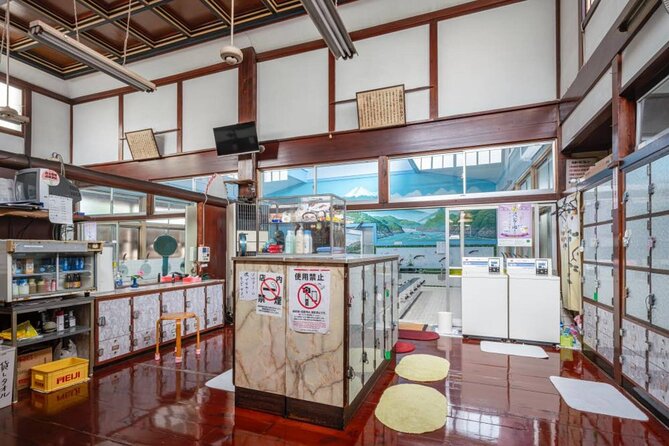
For a first visit, the shoe lockers can be the first small hurdle. You remove your shoes at the entrance and place them in a locker before proceeding inside. The guide shows you how this works, so you do not have to copy someone else while wondering if you have missed a step.
The changing room comes next. You receive an explanation of where to undress and how to handle your belongings before entering the washing area. These instructions may sound simple, but they remove the uncertainty that often makes a first public bath feel awkward.
The washing area is not treated as a minor detail. You wash before entering the pools, and the guide explains the order of events so you know where to sit, clean yourself, and prepare for the hot water. Shampoo and body soap are available for use, which means you do not need to bring those basic items for this experience.
This is where the bilingual format earns its price. Written signs can help, but they may not explain the social reason behind a rule. A guide can tell you what to do and why it matters, then answer the practical questions that come up when you see the bathhouse in person.
Mount Fuji murals and the story on the walls
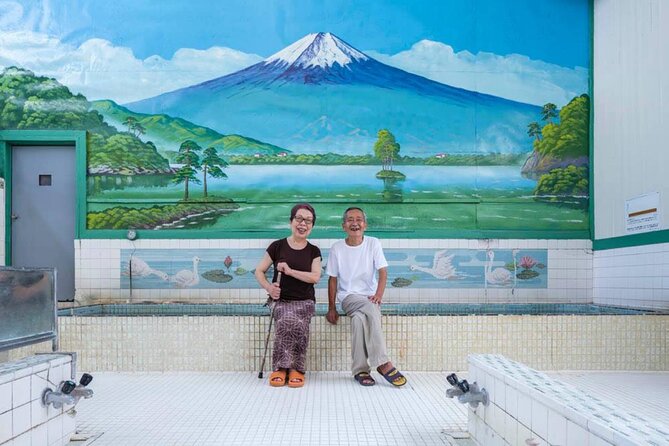
The Mount Fuji mural is one of the sento’s most recognizable features. The guide explains why this mountain appears so often on bathhouse walls and how the image became tied to the bathing experience.
You do not need to be an art specialist to appreciate the mural. Its value is cultural and visual. The image creates a scenic backdrop in a place built for ordinary washing, turning a simple bath into a setting with a shared visual tradition.
The guide also explains how sento supported communities after the war. That context helps you see the building as more than an old interior. It was part of the social infrastructure of its neighborhood, offering access to bathing and a place where people could maintain familiar routines.
The details make the visit worthwhile even if you decide not to enter the water. You can look at the architecture and entrance murals, learn about the custom, and leave with a better sense of why sento remain meaningful in Japan.
Another pool worth the trip:
- Tokyo: Mt Takao Tour with Ramen and Tattoo-Okay Hot Spring
★ 5.0 · 69 reviews - [Seasonal Limited] Mt. Fuji 5th Station &Hot Spring Day Tour
★ 4.5 · 53 reviews - Full Day Hiking Tour at Mt.Takao including Hot Spring
★ 5.0 · 52 reviews - Tattoo-friendly open-air Onsen & drink
★ 5.0 · 25 reviews
Choosing between a soak and a quieter visit
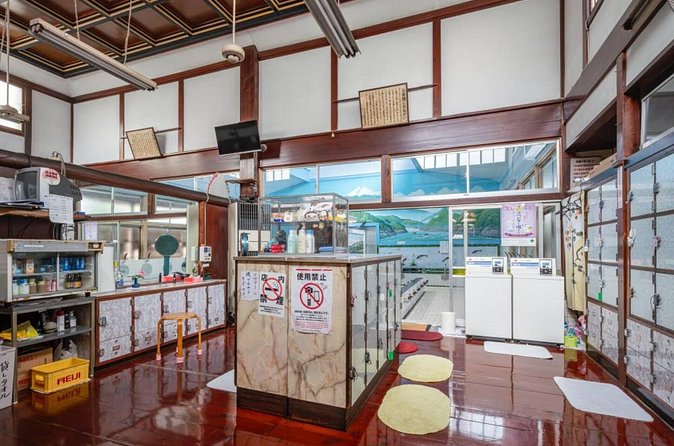
The activity is designed for beginners, but you are not pressured to bathe. After the explanation, you can use the bathhouse as intended and enjoy the pools, or choose a less personal option.
If you bathe, you follow the washing routine and then spend time in the hot water. The experience is not built around a long wellness session. It gives you enough time to understand the process and try it for yourself within the one-hour schedule.
If you feel shy, you can observe the architecture and entrance area or relax in the lobby with a drink. This option is useful for anyone who wants cultural context but is not ready for communal bathing. It also helps if you are uncertain about the setting and want to see how it feels before committing.
Women should note the guide arrangement. Because the guide is male, female participants bathe without him. The shared orientation comes first, so you still learn the procedure, but you will handle the women’s bathing area independently.
The title of this activity presents it as tattoo friendly. The supplied details do not spell out the bathhouse’s exact tattoo rules, so I would confirm the current policy with the provider before arrival if tattoos are an important concern. That is the sensible step with any public bath.
The bottled drink that completes the ritual
After the bath, you receive one complimentary bottled milk drink or soft drink. Options include milk coffee and fruit milk, along with soda or pop.
The drink is not just a free extra. Bottled milk has become closely linked with the post-bath routine in Japan. After time in hot water, a cold bottle gives the visit a simple, satisfying finish.
You may find this small custom more memorable than a formal souvenir. It gives you a chance to sit, cool down, and talk about what you have just learned. The experience connects the practical side of bathing with the social habit that follows it.
The inclusion also improves the value of the $35.77 price. You are paying for an introduction, a guide, access to a local bathhouse setting, use of shampoo and body soap, and a traditional drink. It is not the cheapest way to take a bath in Tokyo, but it is reasonably priced if you want someone to remove the uncertainty from your first visit.
What the one-hour schedule really gives you
One hour is a compact format. You should not book this expecting a slow afternoon at a spa or a long period of soaking. Instead, think of it as a guided cultural orientation with time to try the bath if you wish.
The schedule has a useful shape:
- Meet at Starbucks near Kagurazaka-shita.
- Walk with the guide to the 1954 sento.
- Learn how to use the shoe lockers and changing rooms.
- Review the washing area and pool etiquette.
- Hear about Mount Fuji murals and the sento’s role in postwar neighborhoods.
- Bathe, observe, or relax in the lobby.
- Have a bottled drink or soda before returning to the meeting point.
The timing suits a first visit during a busy Tokyo itinerary. You can fit it between other plans without giving up half a day. The tradeoff is that the schedule may feel short if you are already comfortable with public baths and want a long soak.
The activity is booked, on average, 55 days ahead. That suggests you should reserve early if your Tokyo dates are fixed, especially since the group limit is six. Confirmation is provided at booking, and the mobile ticket makes it easy to keep the booking on your phone.
Who will get the most from this experience
I would choose this for a first-time visitor who wants to try a sento but worries about making a mistake. The guide handles the practical details, and the small group leaves room for questions.
It also suits anyone who values ordinary local customs over a polished tourist attraction. The bathhouse is a neighborhood facility, not a themed spa built for sightseeing. That gives the visit a more genuine feel, though you should be comfortable entering a shared bathing environment.
It works well for solo visitors, couples, and small groups. Solo visitors in particular may appreciate having a guide at the start rather than trying to work out the process alone.
I would be less likely to recommend it to someone seeking luxury, privacy, or a long thermal bathing session. The bathhouse is authentic precisely because it is practical and communal. If that sounds uncomfortable, the observation and lobby options give you some flexibility, but the setting itself remains a public sento.
Practical details before you reserve
The price is $35.77 per person. For that fee, you receive the guided introduction, use of shampoo and body soap, and one milk drink or soft drink after the bath. The value rests mainly in the explanation and confidence it gives you, not in the cost of the bathhouse entry alone.
Wear something easy to change in and keep the schedule in mind. You will need to handle shoes, clothing, washing, and bathing within a short visit, so a simple outfit reduces fuss.
The activity is near public transportation, and most people can participate. The supplied information does not provide more specific accessibility details, so anyone with mobility needs should ask the provider before booking.
Free cancellation is available up to 24 hours before the start time. Cancelling within 24 hours means no refund, and changes in that period are not accepted. The activity may also be cancelled for poor weather or if the minimum number is not reached, in which case you are offered another date or a full refund.
Should you book this Shinjuku sento visit?
Book it if you want a friendly, structured introduction to Japanese bathing culture and you prefer a real neighborhood bathhouse to a tourist spa. The strongest reasons are the bilingual etiquette lesson, the 1954 setting, the Mount Fuji mural explanation, and the chance to choose between bathing and simply observing.
Think twice if you need complete privacy or want a long, luxurious soak. Also confirm tattoo rules directly if that point matters to you, since the supplied details do not list the bathhouse’s exact policy.
For most first-time visitors who feel curious but uncertain, this is a sensible way to try a sento. At about an hour and $35.77, it gives you a clear cultural lesson, a local setting, and a small post-bath ritual without taking over your Tokyo schedule.
FAQ
Where does the experience begin?
It begins at Starbucks Coffee near Kagurazaka-shita, at 1-92 Kagurazaka, Shinjuku City, Tokyo 162-0825.
Where does the experience end?
The activity ends back at the meeting point near Kagurazaka-shita.
How long does the sento experience last?
The experience lasts approximately one hour.
Is the guide bilingual?
Yes. A bilingual guide explains the sento routine, including shoe lockers, changing rooms, the washing area, and the bathing pools.
Can I take part without bathing?
Yes. You can observe the architecture and entrance murals or relax in the lobby with a drink instead of bathing.
What is included after the bath?
You receive one complimentary bottled milk drink or soft drink. Options include milk coffee, fruit milk, and soda or pop.
What happens if I need to cancel?
You can receive a full refund if you cancel at least 24 hours before the start time. Cancellations or changes made within 24 hours are not refunded or accepted.
Freshly added soaks in Tokyo
- Japanese Head Onsen and Scalp Massage Retreat in Tokyo★ 4.5 · 2 reviews
- Tokyo Local Tattoo Friendly Public Bath Experience★ 5.0 · 4 reviews
- Mt. Fuji to Lake Kawaguchi, Lake Yamanaka and Onsen Day Tour★ 4.5 · 3 reviews
- Tattoo-friendly open-air Onsen & drink★ 5.0 · 25 reviews
- Mt. Fuji Tours to Lake Kawaguchi and Yamanaka Onsen English Guide★ 4.5 · 4 reviews
- Mt FUJI – Panoramic Tour w/ Hoto Lunch, JP Sake & Onsen tatto OK!★ 5.0 · 9 reviews
- Onsen Spa in Tokyo and Asakusa Bar Hopping with Local Guide★ 5.0 · 3 reviews
- Private Tour to Snow Monkey, Zenkoji Temple & Hot Springs Nagano★ 4.0 · 2 reviews
Japanese Onsen Tours, compared.
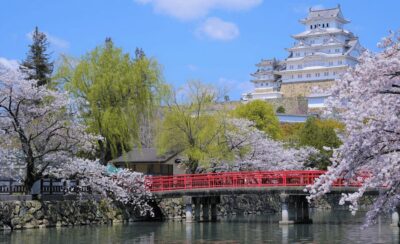
Himeji Castle, Arima Onsen & Mt. Rokko Day Tour
Read our review →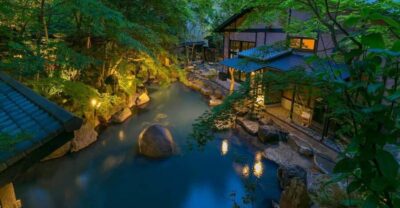
Private Tour to Fuji/Hakone – Onsen, Art, Nature
Read our review →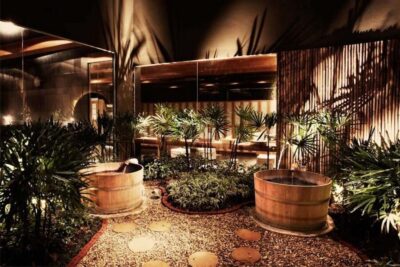
All-Day Pass to Yunomori Sathorn Onsen Bath and Spa
Read our review →
Mt. Fuji, Hakone Private Tour from Tokyo – Onsen, Arts and Nature
Read our review →
From Fukuoka: Mount Aso, Kurokawa Onsen, and Shrine Tour
Read our review →
Private Nagano 1-Day Tour:Snow Monkeys,Zenko-ji,Obuse,Sake,Onsen
Read our review →More soaks worth the detour