REVIEW · JAPANESE ONSEN TOURS
Mt. Fuji Skiing Experience- YETI Ski Resort & Onsen Day Trip
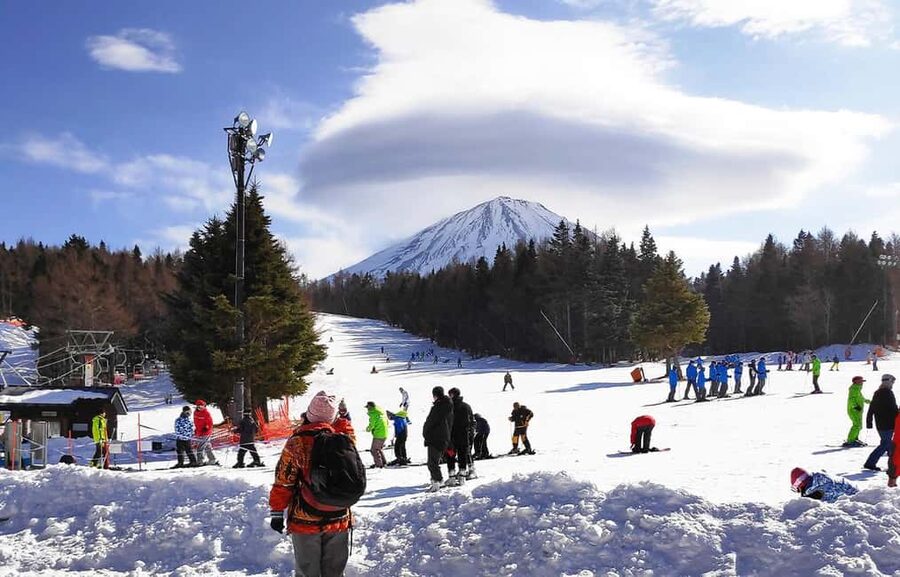
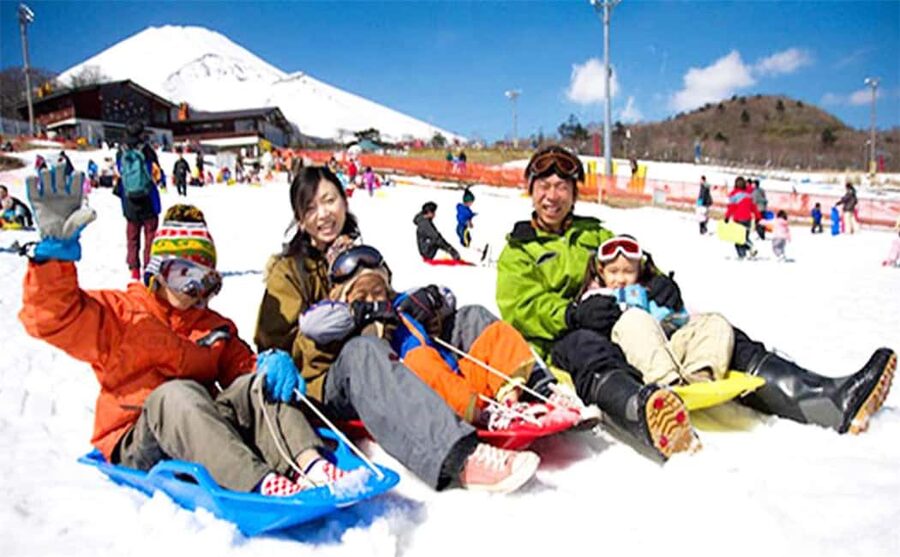
Mt. Fuji is the star here, but the surprise is that you get to ski on its upper slopes rather than simply photograph it from below. At 1,400 meters, YETI Ski Resort offers four runs for beginners and intermediate skiers, with views toward Mt. Fuji and Suruga Bay when the weather cooperates.
I like the easy all-in-one plan: round-trip bus service from Tokyo and ski entry are covered, and the post-ski soak at Konohana no Yu gives your legs a sensible reward. The main caution is time. Traffic, crowds, and changes to the onsen or outlet stop can shrink the skiing and bathing periods, so this suits flexible visitors more than anyone with a tight evening connection.
Key points to know before booking
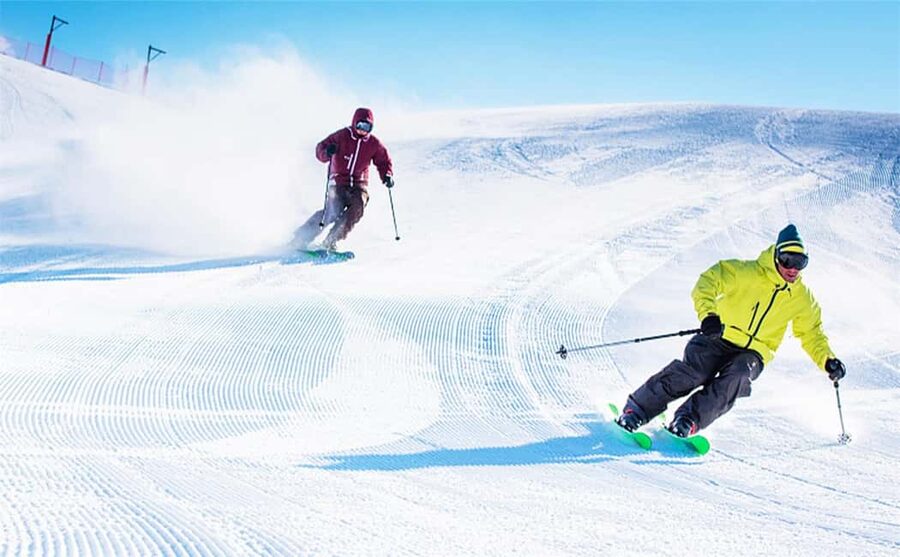
- Japan’s earliest snow park: YETI gives you a straightforward way to ski near Mt. Fuji without arranging trains, buses, rentals, and resort entry separately.
- Best for beginners and intermediate skiers: Four slopes provide a manageable setting, but this is not a large mountain-resort day.
- Fuji and Suruga Bay views: Clear weather can turn the upper slopes into a fine viewing platform, though clouds may hide the mountain.
- Four hours is the planned ski window: Allow for changing equipment, lessons or orientation, and possible schedule changes before counting every minute as ski time.
- Onsen costs extra: Konohana no Yu is an optional activity at about $12, with alternate baths possible if the main facility is closed.
- Early start, late return: Meet at Tokyo Station at 7:15 a.m. for a 7:30 departure, and avoid booking another important activity afterward.
Why this Mt. Fuji ski day works
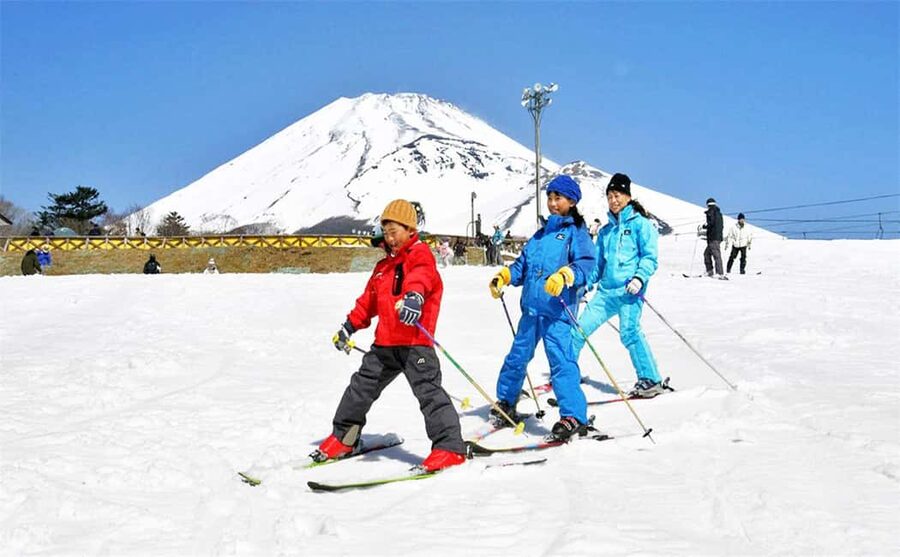
This is a practical choice if you are staying in Tokyo and want a winter mountain experience without spending a night outside the city. The bus handles the long approach, the resort admission is included, and you can add equipment depending on the package you choose.
I particularly like the contrast built into the day. You start in central Tokyo, travel upward to a ski area with a high mountain setting, then finish in hot spring water before returning to the city. It gives you more than a quick photo stop, but it does not ask you to organize a full ski holiday.
The day is also friendly to first-time skiers. The resort has four slopes aimed at beginner and intermediate ability levels, and one of the strongest comments about the experience came from someone on a first ski trip who found the course very approachable. That is the right way to think about YETI: a convenient introduction, not a huge destination for advanced skiers hunting for endless terrain.
The $90 price needs a little context. It includes the bus, resort entrance, parking, driver, and ski equipment only if your selected package includes it. Food, drinks, and the optional onsen are extra. For a visitor who would otherwise need to arrange transport and resort entry alone, the price is reasonable. For a strong skier who already has equipment and wants a full day on the slopes, the time spent on the road may feel less appealing.
More Hot Spring Day Trips in Japan
- [Seasonal Limited] Mt. Fuji 5th Station &Hot Spring Day Tour
★ 4.5 · 53 reviews - Full Day Hiking Tour at Mt.Takao including Hot Spring
★ 5.0 · 52 reviews - Mt. Fuji 5th, Oshino Hakkai, Onsen Full-Day Trip From Tokyo
★ 4.5 · 50 reviews
Meeting at Tokyo Station before sunrise
Your day begins at the Marunouchi North Exit of JR Tokyo Station. Be there by 7:15 a.m., with departure set for 7:30. The address given is 1-chome-6 Marunouchi, Chiyoda City, Tokyo 100-0005.
This is one of those departures where being early matters. Tokyo Station has several exits, and large stations are poor places to improvise at the last second. You are told to check the final product image for the exact meeting location, then watch your inbox and spam folder for the evening-before message with the driver, guide, and vehicle details.
The tour operator warns that late arrivals and no-shows receive no refund. That is strict, but it is understandable on a long shared bus day. I would arrive with enough time to find the exit, use the restroom, and buy breakfast. Food is not included, and an early start leaves little room for a leisurely meal before boarding.
Guides may lead in Chinese, English, and Japanese. Guide assignments are sent the night before. Samuel and Wanting have been named as guides on recent departures, but you should not assume either will lead your specific day.
The 2.5-hour ride to YETI Ski Resort
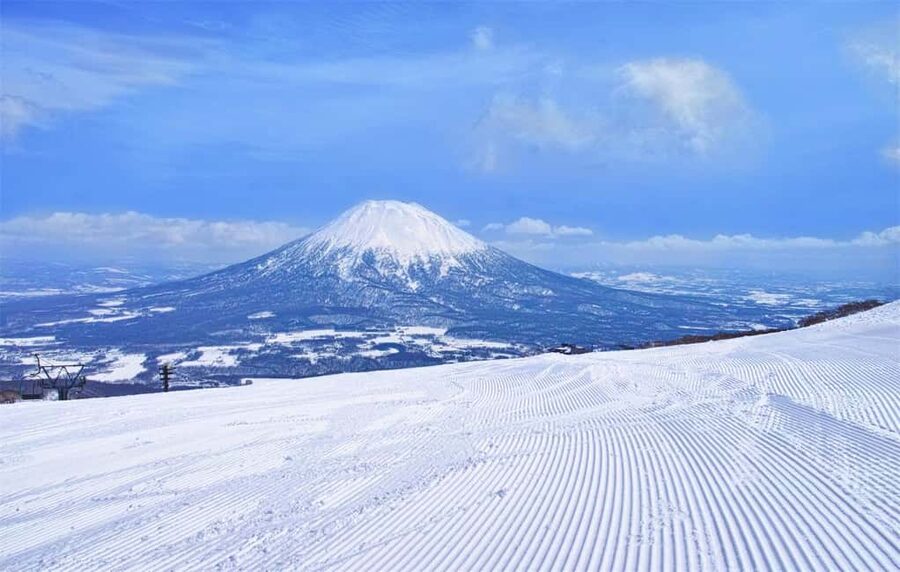
The bus ride from Tokyo to YETI takes about two and a half hours under normal conditions. That is a sizeable part of a 10-hour day, so bring something to read, a phone charger if needed, and a little patience.
The payoff is convenience. You do not need to compare regional trains, local buses, rental-car rules, or mountain parking. Parking fees and the professional driver are included, and the air-conditioned coach gives you a warm place to sit before and after skiing.
Traffic is the weak point. The return trip is listed at about two hours, but the operator warns that traffic, bad weather, public holidays, and peak-season crowds can delay the bus. One particularly useful piece of advice is not to schedule another tour, train, flight, or reservation after this one. Tokyo traffic can turn a planned arrival into a rough estimate.
The ride also makes clear why the trip is best treated as a full-day outing rather than a quick add-on. You have about four hours at the ski area, followed by roughly an hour for the hot spring or alternative stop. The mountain experience is worth the travel time if you want it specifically. It is less suitable if you are trying to squeeze in several unrelated Tokyo activities the same evening.
Four slopes at 1,400 meters
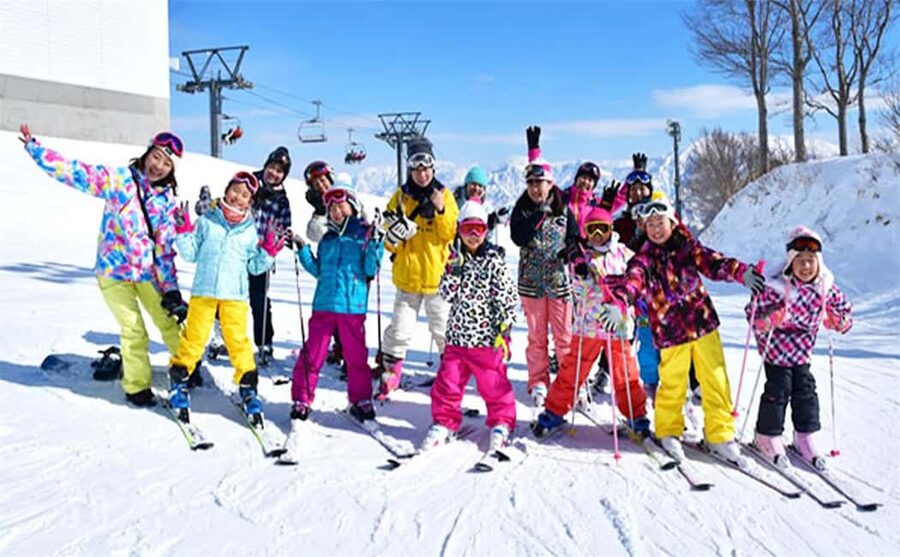
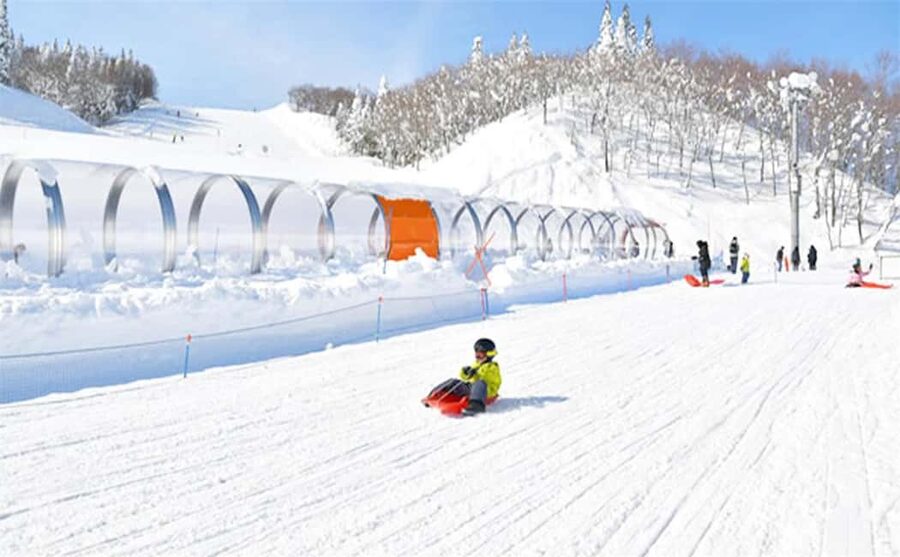
YETI Ski Resort is the central event. It is described as Japan’s earliest snow park and sits at the second station of Mt. Fuji, at about 1,400 meters. The resort has four ski slopes for beginners and intermediate skiers.
That size makes the place approachable. A first-timer can focus on balance, stopping, and getting comfortable without facing an intimidating maze of runs. An intermediate skier can still enjoy some turns and the mountain views, but should keep expectations in check. This is not presented as a sprawling alpine resort with terrain for every ability.
Your exact equipment depends on the package you book. Ski equipment is included only when the chosen package says it is, so check the option carefully before paying. The supplied information does not promise a particular type of ski, boot, clothing, helmet, or lesson. Bring or arrange anything not covered by your package rather than assuming the $90 base price includes a full wardrobe.
The planned stay is four hours. That sounds generous, but the clock includes arrival, finding your equipment, changing, and returning everything before the group leaves. If you are new to skiing, you may spend a meaningful part of the visit getting oriented. One poor experience reported less than two hours of actual skiing, which shows why the schedule can feel shorter in practice if delays or a late start affect the resort stop.
I would treat four hours as the resort window, not four guaranteed hours of uninterrupted downhill time. Get changed promptly, confirm where and when to return, and start with the slopes rather than spending the first half of the visit taking photos.
More Hot Spring Day Trips in Tokyo
- Full Day Tour at Mt. Fuji, Onsen, Lake Kawaguchi and Yamanaka
★ 4.0 · 24 reviews - Tokyo: Mt Fuji Lake Kawaguchi & Yamanaka Hot Spring Day Tour
★ 4.0 · 14 reviews - Mt. Fuji 5th Station, Oshino Hakkai and Hot Spring Day Trip
★ 3.5 · 13 reviews - Mount Fuji – Hakone & Onsen Full Day Private Tour
★ 3.8 · 6 reviews
Fuji views depend on the weather
On a clear day, the upper slopes look across to Mt. Fuji and Suruga Bay. This is the special visual reward of the trip. You are not merely skiing at a generic snow park. You may be able to turn uphill and see the broad volcano rising nearby, then look outward toward the bay.
Weather is the deciding factor. Clouds, snow, rain, or haze can hide the view. Check the forecast before you go, but do not treat a good city forecast as a guarantee for the mountain. Conditions can change with altitude.
The mountain view also gives non-skiers something to appreciate. If someone in your party is less confident on skis, the scenery can make the resort worthwhile even during a slower start. Still, the activity is built around the snow park. It is not a dedicated Mt. Fuji sightseeing day with several historic or cultural stops.
That distinction matters. If your main wish is to see shrines, old towns, or famous Fuji viewpoints, another day trip would fit better. If you want a winter activity with a chance of excellent Fuji photos, YETI is a more focused choice.
The hot spring finish at Konohana no Yu
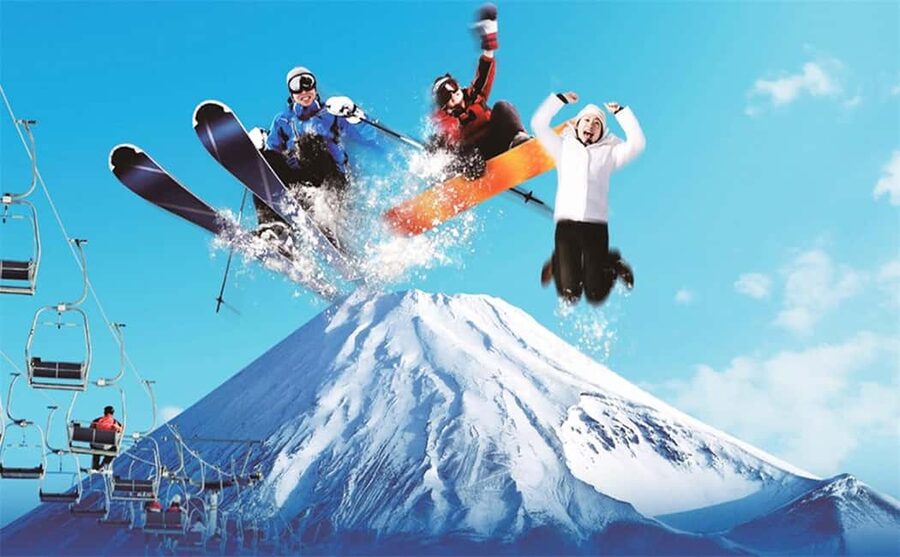
After skiing, the plan moves to Konohana no Yu. From the parking area, you take an elevator to the hot spring facility, where the main draw is an open-air bath with a view of Mt. Fuji and natural spring water.
This is a good ending in theory and a pleasant change of pace after cold air, boots, and physical effort. The bath is optional and costs about $12. Bring cash because cards may not be accepted at some locations.
The schedule gives roughly one hour for the hot spring or related sightseeing. That is enough for a short soak if the transfer is smooth, but it is not a leisurely spa afternoon. You need time to enter, change, bathe, dry off, and return to the bus. Keep your expectations practical.
There is also a planning wrinkle. If Konohana no Yu is closed, the alternatives named are Gotemba Fuji Hakkei or Gotemba City Onsen Hall, paid separately. On some departures, the stop may involve a choice between an onsen and shopping at an outlet center. One account found the combined stop too short to enjoy either option properly, with less than 90 minutes available.
That means you should listen closely to the guide’s instructions and clarify the return time before wandering off. If bathing is your priority, say so early. If you would rather eat or shop, the available time may not allow for a relaxed version of both.
Food, cash, and what to pack
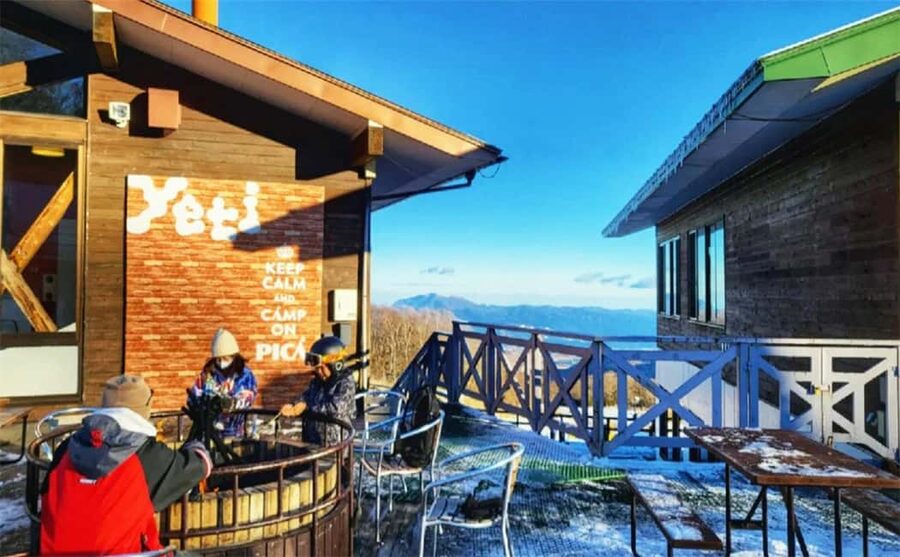
Food and drinks are not included. The early meeting time makes breakfast worth handling before departure or bringing with you. You may also want a snack for the ride back, particularly after skiing.
Cash is listed as an item to bring. The optional onsen fee is one reason, and some locations may not accept credit cards. I would keep small notes and coins easy to reach rather than burying them in luggage.
Your clothing needs depend on the package. The information confirms that ski equipment may be included, but it does not confirm clothing or every protective item. Check what your selected package covers. At minimum, dress for a cold mountain day and bring whatever personal winter gear your package does not supply.
Also pack a phone, portable battery if you use your phone for meeting details, and a change of clothes if you expect to use the bath. The tour details arrive the evening before, so check your messages before bed and again in the morning.
Guides, languages, and the shared-bus setup
The tour supports Chinese, English, and Japanese. That makes it accessible to an international mix of participants, but explanations may be repeated in several languages. The group format can feel slower than a private outing.
Guide quality can shape the day. Samuel received a warm mention for keeping people involved, offering sightseeing tips, and handling the morning meeting well. Wanting was noted for explaining some of the mountain’s history. At the same time, one departure had complaints about limited English and Japanese and talk that felt distracting rather than useful.
The fair expectation is not a private cultural guide. You are booking transport, access, and coordination first. Some guides may add helpful background about Mt. Fuji and the surrounding area, while the amount of commentary can vary. If you need detailed ski instruction, confirm what your package provides instead of relying on the bus guide.
The return to Tokyo and the real time cost
The return route takes about two hours in the normal schedule, ending at JR Tokyo Station or the Shinjuku West Exit. The exact drop-off matters if you have a dinner reservation or evening show.
I would keep the night open. Weather, road conditions, holiday traffic, and crowding can delay the bus. The operator also warns that attractions may be shortened, rescheduled, or canceled when conditions change.
This is not a fault unique to the tour. A mountain day trip by road simply carries that risk. Still, the time cost should be part of your decision. You may leave Tokyo at 7:30 a.m. and return roughly 10 hours later, with much of that day fixed by bus departures.
The best approach is to enjoy the journey as a single outing, not as a transport link between two firm appointments.
Who should book this day trip?
I would choose this tour if you are staying in Tokyo, want to try skiing near Mt. Fuji, and prefer a ready-made plan. It is especially suited to first-time skiers, intermediate visitors who are happy with a smaller resort, and families or mixed groups who value simple transport.
It also works for someone who wants to combine snow with a Japanese hot spring. The bath gives the day a local touch that a ski-only excursion would miss, even though the short schedule limits how long you can stay.
I would hesitate if you are an advanced skier seeking many runs, if you need guaranteed Fuji views, or if you have an evening flight or tightly timed reservation. I would also think twice if the onsen is the main reason for booking, since the bath may be replaced and the available time can change.
The free cancellation policy allows cancellation up to 24 hours in advance for a full refund, and reserve-now, pay-later booking keeps the decision flexible. That helps if the forecast looks uncertain, though it does not remove the risk of mountain weather on the day itself.
Should you book YETI and the onsen?
Book it if you want a convenient first ski day near Mt. Fuji, with transport and resort admission arranged from Tokyo. The views can be superb, the beginner-friendly slopes keep the activity manageable, and the hot spring is a welcome finish.
Skip it if your priority is a long, serious day of skiing, a guaranteed onsen visit, or a full Fuji sightseeing route. Before booking, check exactly what your package includes, confirm the equipment terms, keep cash handy, and leave your evening free. With those limits understood, this is a useful winter day out rather than a full ski vacation.
FAQ
Where does the tour meet?
Meet at the Marunouchi North Exit of JR Tokyo Station, at 1-chome-6 Marunouchi, Chiyoda City, Tokyo 100-0005 Japan. Arrive by 7:15 a.m. for the 7:30 departure.
How long is the tour?
The full experience lasts about 10 hours. The planned schedule includes about 2.5 hours by bus to YETI, four hours at the ski resort, about one hour for the hot spring or alternate stop, and roughly two hours back to Tokyo.
What languages are available?
Live guide support is available in Chinese, English, and Japanese. The guide, driver, and vehicle details are sent by email the evening before departure.
Is ski equipment included?
Ski equipment is included only with certain packages. Check the package choice carefully because the base price does not automatically confirm every equipment item.
Is the onsen included in the price?
No. The onsen is an optional activity costing around $12. If Konohana no Yu is closed, the alternatives listed are Gotemba Fuji Hakkei or Gotemba City Onsen Hall, also paid separately.
Can I cancel the booking?
You can cancel up to 24 hours before the activity for a full refund. Late arrivals and no-shows do not receive a refund.
More Skiing in Tokyo
- 3-Hour Novice Ski Adventure & Relaxing Zakopane or Baths Combo
★ 5.0 · 93 reviews - From Kraków: Tatra Mountans Ski Trip and Thermal Baths Visit
★ 4.6 · 6 reviews
More Onsen Tours in Tokyo
- From Tokyo: Private Tour to Fuji/Hakone – Onsen, Art, Nature
★ 5.0 · 116 reviews - Mt. Fuji, Hakone Private Tour from Tokyo – Onsen, Arts and Nature
★ 5.0 · 79 reviews - Tattoo-friendly open-air Onsen & drink
★ 5.0 · 25 reviews - From Tokyo: Private Motorcycle Tour – Fuji, Hakone, Onsen
★ 4.9 · 12 reviews
Freshly added soaks in Tokyo
- Japanese Head Onsen and Scalp Massage Retreat in Tokyo★ 4.5 · 2 reviews
- Tokyo Local Tattoo Friendly Public Bath Experience★ 5.0 · 4 reviews
- Mt. Fuji to Lake Kawaguchi, Lake Yamanaka and Onsen Day Tour★ 4.5 · 3 reviews
- Tattoo-friendly open-air Onsen & drink★ 5.0 · 25 reviews
- Mt. Fuji Tours to Lake Kawaguchi and Yamanaka Onsen English Guide★ 4.5 · 4 reviews
- Mt FUJI – Panoramic Tour w/ Hoto Lunch, JP Sake & Onsen tatto OK!★ 5.0 · 9 reviews
- Onsen Spa in Tokyo and Asakusa Bar Hopping with Local Guide★ 5.0 · 3 reviews
- Private Tour to Snow Monkey, Zenkoji Temple & Hot Springs Nagano★ 4.0 · 2 reviews
Japanese Onsen Tours, compared.
Himeji Castle, Arima Onsen & Mt. Rokko Day Tour
Read our review →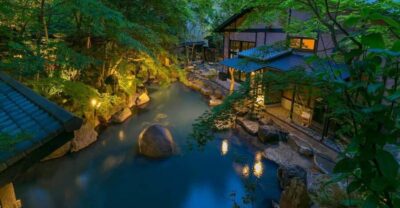
Private Tour to Fuji/Hakone – Onsen, Art, Nature
Read our review →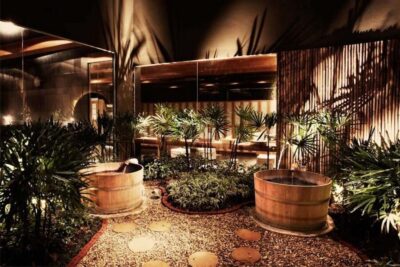
All-Day Pass to Yunomori Sathorn Onsen Bath and Spa
Read our review →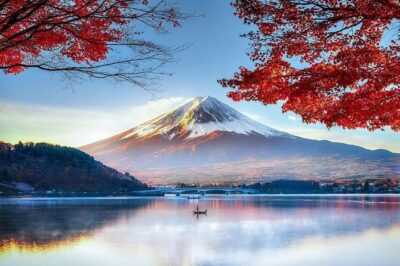
Mt. Fuji, Hakone Private Tour from Tokyo – Onsen, Arts and Nature
Read our review →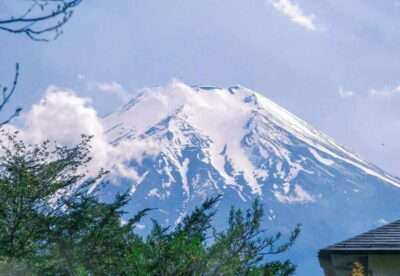
From Fukuoka: Mount Aso, Kurokawa Onsen, and Shrine Tour
Read our review →