
REVIEW · JAPANESE ONSEN TOURS
Kyoto: Kujo-yu Sento Traditional Japanese Instrument Concert
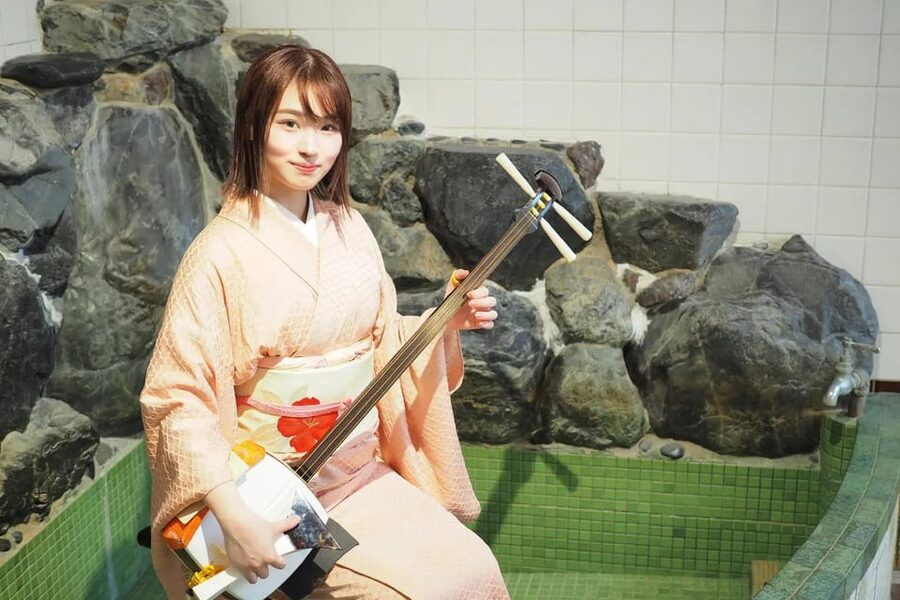
Kyoto’s Kujo-yu concert puts koto and shamisen music inside a restored sento, an old-style public bathhouse near Kyoto Station. The setting is not a dressed-up concert hall. Sound travels through the former bathing space, giving each plucked note an unusual ring. I like the contrast between the formal music and the familiar neighborhood bathhouse. I also like the changing program, which can move from classical Japanese pieces to modern arrangements and original compositions.
The main consideration is accessibility: the venue is not suitable for wheelchair users. At $32 per person for 50 minutes, this is a special-interest outing rather than a bargain attraction, but the price is reasonable if you want a short cultural experience with a setting you cannot easily reproduce elsewhere.
Key points at a glance
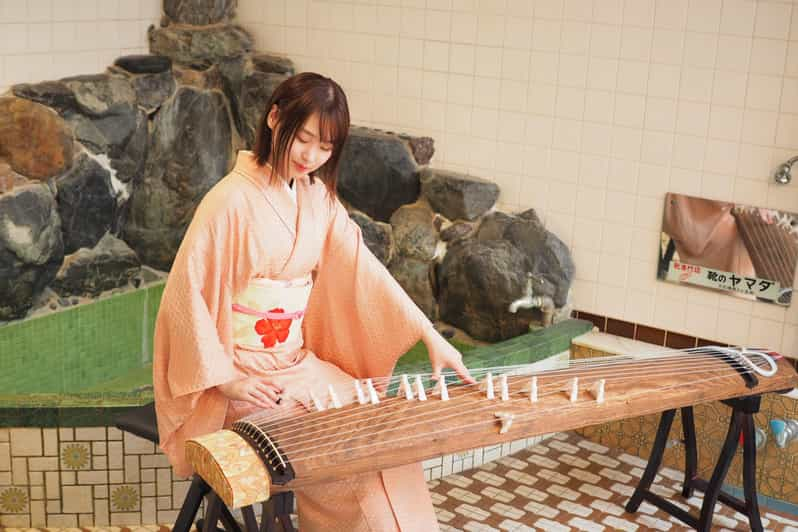
- A concert in a former bathhouse: Kujo-yu’s renovated sento gives the performance its defining character.
- Two traditional instruments: The koto and shamisen offer sharply different sounds, from delicate plucking to bright, rhythmic strings.
- A changing program: Expect a mix of classical works, newer arrangements, and original music.
- Strong acoustics: The old bathhouse space lets the music carry through the room without the feel of a large formal theater.
- Easy Kyoto pairing: Kujo-yu works well with Kyoto Station, Kyoto Tower, Fushimi Inari, or Toji Temple.
- A compact 50-minute visit: You get a focused cultural stop without giving up half a day of sightseeing.
Entering Kujo-yu, Kyoto’s former bathhouse concert room
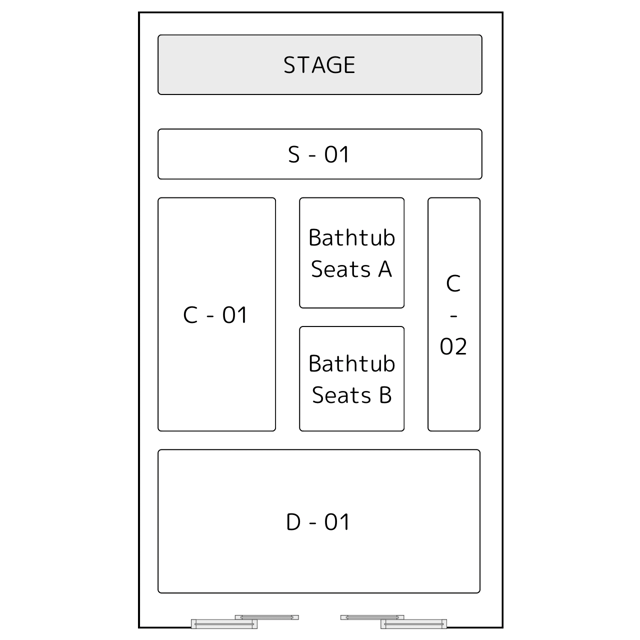
The first surprise is the venue. Kujo-yu is a renovated sento, the Japanese public bathhouse once used by local residents as part of ordinary neighborhood life. Here, the bathing space has been given another purpose. Instead of rushing through a museum gallery or watching a staged cultural demonstration, you sit in a place with a practical past and listen to live music.
That setting matters. A traditional concert hall asks you to focus only on the performers. Kujo-yu adds the room itself to the experience. The music moves through a space built for water, tile, and hard surfaces, creating an acoustic effect that makes the koto and shamisen feel closely tied to their surroundings.
The atmosphere is warm and intimate. The information provided does not give a fixed group size, so I would not promise a tiny private gathering. Still, the 50-minute format and the character of the venue suggest a more personal setting than a large stage show. You are there for the music, but you also get a direct look at a renovated part of Kyoto’s local culture.
An English-speaking host or greeter is available. That is useful for visitors who want basic guidance around the experience without needing Japanese. The performance itself is the central feature, not a long lecture, so you should expect the music to do most of the explaining.
More Onsen Tours in Japan:
- From Osaka: Himeji Castle, Arima Onsen & Mt. Rokko Day Tour
★ 4.6 · 339 reviews - From Tokyo: Private Tour to Fuji/Hakone – Onsen, Art, Nature
★ 5.0 · 116 reviews - Mt. Fuji, Hakone Private Tour from Tokyo – Onsen, Arts and Nature
★ 5.0 · 79 reviews
Hearing the koto and shamisen in the same room
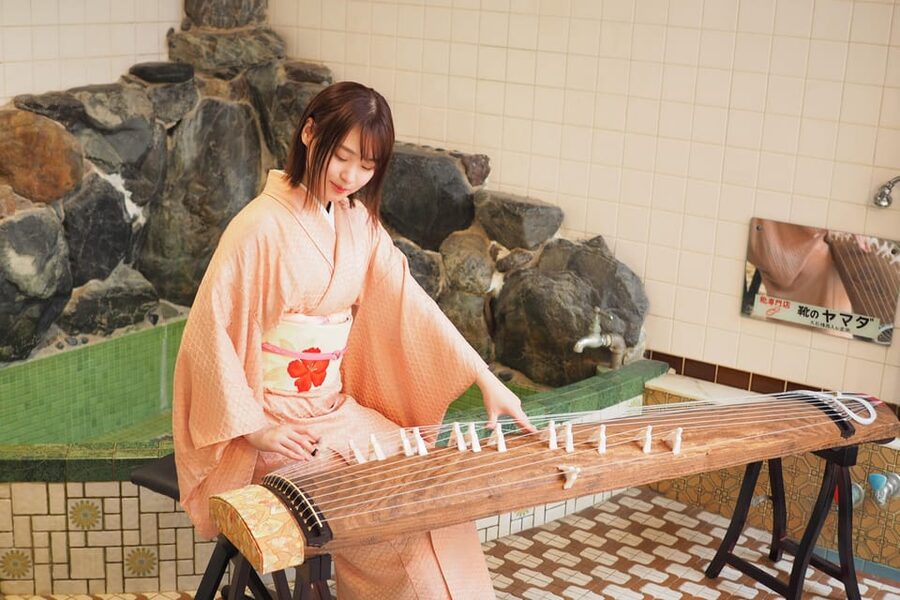
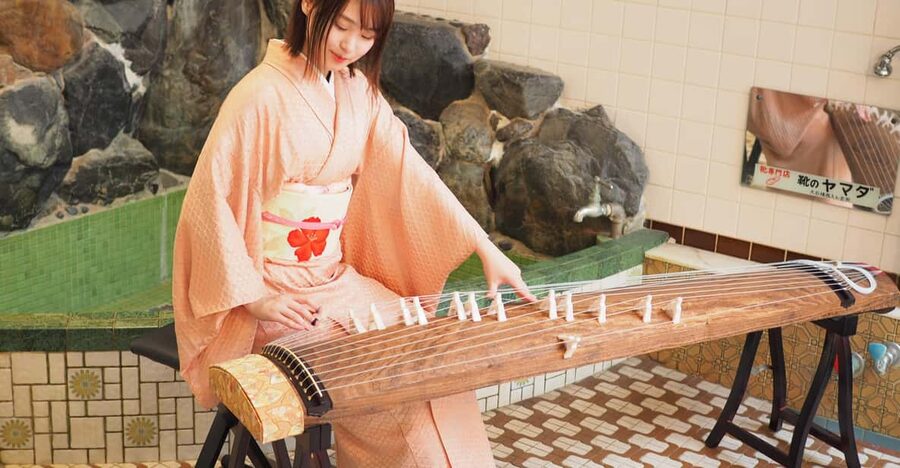
The concert features a koto and shamisen player. These instruments create very different musical colors.
The koto is a long Japanese zither with strings stretched across a wooden body. Its sound can be light and sparkling, with individual notes that seem to hang in the air. The shamisen is a three-stringed instrument with a more pointed tone and a strong rhythmic character. Together, they can produce both delicate passages and more forceful sections.
You do not need a background in Japanese music to follow the contrast. Listen for the shape of each instrument’s sound. The koto can feel spacious and finely detailed, while the shamisen often brings a firmer pulse. In Kujo-yu, those differences are helped by the room’s acoustics.
One of the strongest features of this experience is the way the sound travels. The bathhouse setting gives the instruments room to resonate, so the concert is not only about watching musicians play. You hear notes linger and spread through the former bathing area. That is why the venue is more than a decorative backdrop.
The performance is provided by a koto and shamisen player, but individual performer names are not supplied in the available information. The musicians have been praised for their skill, and that praise fits the design of the program: this is a live performance built around careful playing, not a quick cultural sample added to a packed sightseeing schedule.
A 50-minute program that changes with the season
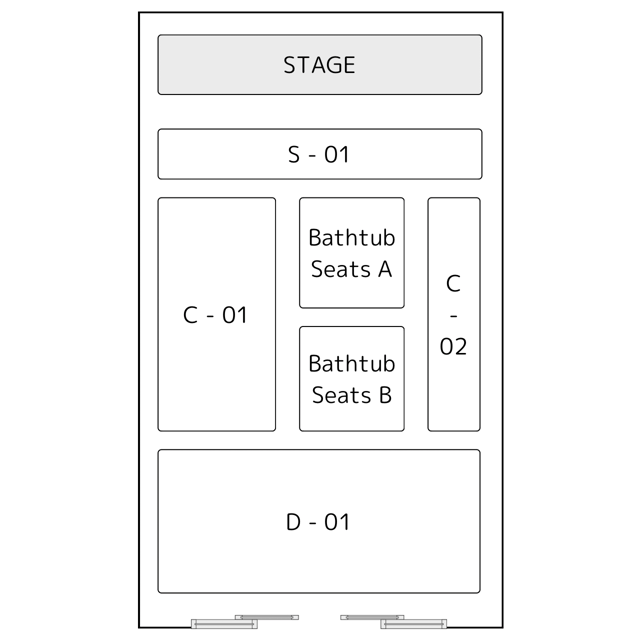
The program is not locked to one permanent set list. It can include classical Japanese masterpieces, contemporary arrangements, and original compositions. The repertoire also changes according to the season and the performers.
That variety is a real advantage. If you return to Kyoto, another visit may not sound exactly like the first. It also means you should not arrive expecting one famous tune or one fixed sequence of pieces. Think of the concert as a current program shaped by the musicians and the time of year.
The 50-minute length is well judged for a busy Kyoto itinerary. It gives you enough time to settle into the sound and notice the venue, yet it does not take over your afternoon. I like this length for a first introduction to Japanese instruments. You can give the music your full attention without worrying about a long formal recital.
The program’s range also helps different kinds of listeners. If you already know Japanese music, the classical material may be the main draw, while modern arrangements and original works add freshness. If this is your first encounter with the koto and shamisen, the mix gives you more than one way into the music.
Families may find the shorter format manageable, especially if children are curious about unusual instruments. Still, the experience is a seated concert, not an interactive workshop. Children who need constant movement may find the quiet setting harder than a hands-on activity.
Why the old bathhouse acoustics matter
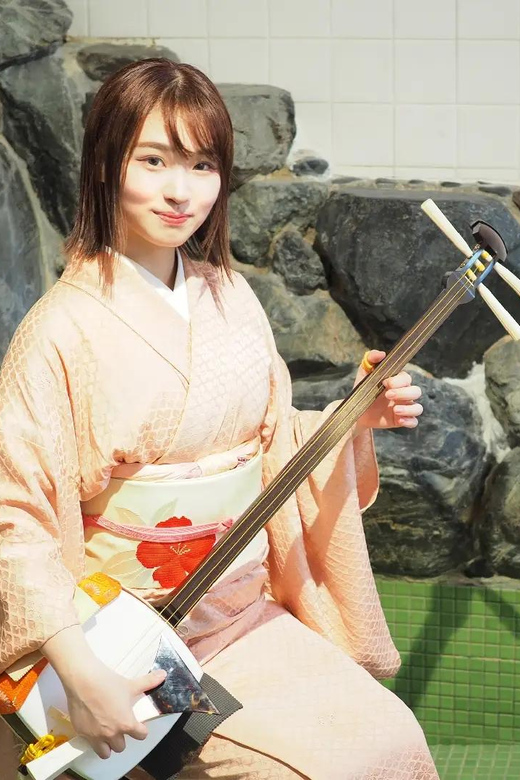
The room changes how you hear the instruments. In a standard theater, sound is controlled and directed from a stage. In Kujo-yu, the music can seem to belong to the whole space. The hard surfaces and open bathhouse design help notes carry, giving the performance an echoing quality without turning it into a giant spectacle.
That sound is one reason this concert feels different from a museum display or a stage show in a modern venue. You are not simply looking at traditional instruments. You are hearing them in a building whose earlier use shaped the concert’s character.
The acoustics may not suit every listener. If you prefer a tightly controlled chamber-music sound, the room’s resonance could feel less precise than a dedicated concert hall. The point here is atmosphere and connection between music and place. I would choose this experience for its overall effect, not because it promises the most technically neutral sound in Kyoto.
The old bathhouse setting also gives the concert a local scale. It connects traditional music with a building once cherished by the surrounding community. That connection makes the visit feel grounded. You get an artistic performance, but you also see how an older neighborhood space can be given a new life.
More Concerts in Japan:
- Kyoto: Traditional Concert at Townhouse or Bathhouse
★ 4.9 · 224 reviews
Fitting Kujo-yu into a Kyoto day
Kujo-yu is near Kyoto Station, which makes it easy to pair with other central sights. The exact concert starting time varies, so check the available time slots before building your day around it.
For Kyoto Tower and Kyoto Station, allow about 15 minutes by train and on foot. Kujo Station is one stop from Kyoto Station, making this an easy add-on after shopping, arriving in town, or visiting the station area.
Fushimi Inari Taisha is about 2 kilometers away. A taxi takes roughly 10 to 15 minutes and costs just under ¥1,000. That pairing works well if you want to visit the shrine before or after the concert without spending too much time changing trains.
Toji Temple is about 15 to 20 minutes from Kujo-yu by bus and on foot. Its five-story pagoda is one of Kyoto’s best-known landmarks, and the visit adds a large temple complex to the smaller, more intimate bathhouse setting.
Kiyomizu-dera takes about 30 minutes by bus and on foot. That is a longer connection, but it can work if you are already planning a day in eastern Kyoto. I would not cross the city only for the concert if your schedule is tight. Instead, place Kujo-yu beside sights near Kyoto Station, Fushimi Inari, or Toji Temple.
The concert’s short length is helpful here. You can visit a major sight, travel to Kujo-yu, attend the performance, and continue on without losing a full block of sightseeing time. Build in enough margin for Kyoto traffic if you are using buses, especially when connecting with Kiyomizu-dera.
Is $32 a fair price for 50 minutes?
At $32 per person, this is not the cheapest cultural activity in Kyoto. You are paying for a live performance, the use of a distinctive historic venue, and the chance to hear two traditional Japanese instruments in a setting designed around their sound.
The value depends on what you want from your trip. If you want a large number of sights for the lowest possible cost, this may not be your first choice. You could spend the same amount on several casual meals or transport during a busy day.
I think the price makes sense for visitors who want a focused cultural experience. The concert gives you something that a temple visit cannot: live music in a former sento, with a program that can include classical, modern, and original works. It also takes only 50 minutes, so you are not paying with an entire afternoon.
The strongest case for the price is the combination of place and sound. A standard recital could give you the instruments. A bathhouse visit could give you the setting. Kujo-yu brings those two elements together. If that combination interests you, $32 is a fair cost for a memorable stop.
There are no listed extras to budget for within the activity. The concert, the performance by the koto and shamisen player, and the English-speaking host or greeter are included. The provided details list nothing as excluded, so you should not expect surprise add-on charges for the basic experience.
Who will enjoy this concert most?
I would recommend Kujo-yu to you if you enjoy small cultural experiences with a strong sense of place. It suits visitors who want to hear Japanese instruments rather than only photograph temples and shrines.
It is also a good choice for a return visit to Kyoto. On a first trip, the city’s major landmarks naturally take priority. On a second visit, a concert in a renovated sento gives you a different view of local culture and urban memory.
Music lovers should pay attention to the changing program. The inclusion of original compositions and modern arrangements keeps the concert from being limited to a formal presentation of old pieces. You get tradition, but not tradition presented as something frozen.
Families can consider it too, particularly if children are interested in instruments and can sit quietly for 50 minutes. The concise running time helps. Still, I would choose another activity for children who need a highly active or hands-on format.
This is not the right pick for wheelchair users, since the venue is listed as unsuitable for them. You should also think carefully about your route. Kujo-yu is convenient near Kyoto Station, but a badly planned cross-city trip could make a short concert feel rushed.
Practical planning before you book
You can cancel up to 24 hours in advance for a full refund. A reserve-now, pay-later option is also available, which helps if your Kyoto schedule is still shifting.
Starting times vary, so check availability rather than assuming the concert runs all day. The total duration is 50 minutes, not including your travel to the venue.
The available language is English for the host or greeter. The music itself crosses language barriers, but do not expect a long English tour of the building unless that is specifically stated at booking.
Wear clothing that feels comfortable for a seated concert. The venue is a former bathhouse, not a conventional theater, and the room’s atmosphere is part of the appeal. Specific seating and entry details are not provided, so check the current instructions before you set out.
I would also avoid packing the concert into a minute-by-minute schedule. Kyoto’s buses can take longer than expected, and the experience is best when you arrive with time to settle in. Pair it with a nearby sight and treat it as a calm pause between larger stops.
Should you book Kujo-yu?
Book this concert if you want traditional Japanese music in an unexpected local setting. The koto and shamisen, the former sento, and the room’s unusual acoustics work together to create something more distinctive than a standard stage performance.
Skip it if your time in Kyoto is extremely short, your main goal is outdoor sightseeing, or you need a fully wheelchair-accessible venue. For everyone else, especially music fans and repeat visitors, the 50-minute length makes Kujo-yu an easy addition to a day near Kyoto Station, Fushimi Inari, or Toji Temple.
The best reason to go is simple: you get to hear skilled musicians play traditional instruments in a place that still carries the character of everyday Kyoto. That is a small experience, but it can leave a lasting mark on your trip.
FAQ
Where is the Kujo-yu concert held?
The concert takes place at Kujo-yu, a renovated sento, or traditional Japanese bathhouse, near Kyoto Station in Kyoto, Japan.
How long does the concert last?
The concert lasts 50 minutes.
What instruments are performed?
The performance features the koto and shamisen, two traditional Japanese string instruments.
What kind of music is included?
The program can include classical Japanese masterpieces, contemporary arrangements, and original compositions.
Does the program stay the same?
No fixed program is stated. The repertoire changes according to the season and the performers.
Is an English-speaking host available?
Yes. The activity lists an English-speaking host or greeter, and English is the available language.
Is anything included besides the concert?
The traditional Japanese instrument concert and the performance by a koto and shamisen player are included. Nothing is listed as excluded.
How much does the activity cost?
The price is $32 per person.
Can wheelchair users attend?
The activity is listed as unsuitable for wheelchair users.
Can I cancel the booking?
You can cancel up to 24 hours in advance for a full refund. A reserve-now, pay-later option is also available.
Freshly added soaks in Japan
- Japanese Head Onsen and Scalp Massage Retreat in Tokyo★ 4.5 · 2 reviews
- Tokyo Local Tattoo Friendly Public Bath Experience★ 5.0 · 4 reviews
- Mt. Fuji to Lake Kawaguchi, Lake Yamanaka and Onsen Day Tour★ 4.5 · 3 reviews
- Tattoo-friendly open-air Onsen & drink★ 5.0 · 25 reviews
- Mt. Fuji Tours to Lake Kawaguchi and Yamanaka Onsen English Guide★ 4.5 · 4 reviews
- Onsen Spa in Tokyo and Asakusa Bar Hopping with Local Guide★ 5.0 · 3 reviews
- Private Tour to Snow Monkey, Zenkoji Temple & Hot Springs Nagano★ 4.0 · 2 reviews
- Mt FUJI – Panoramic Tour w/ Hoto Lunch, JP Sake & Onsen tatto OK!★ 5.0 · 9 reviews
Japanese Onsen Tours, compared.
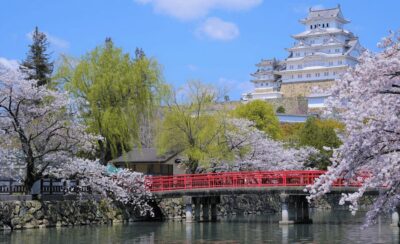
Himeji Castle, Arima Onsen & Mt. Rokko Day Tour
Read our review →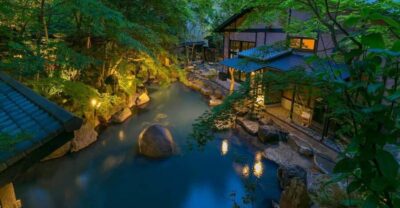
Private Tour to Fuji/Hakone – Onsen, Art, Nature
Read our review →
All-Day Pass to Yunomori Sathorn Onsen Bath and Spa
Read our review →
Mt. Fuji, Hakone Private Tour from Tokyo – Onsen, Arts and Nature
Read our review →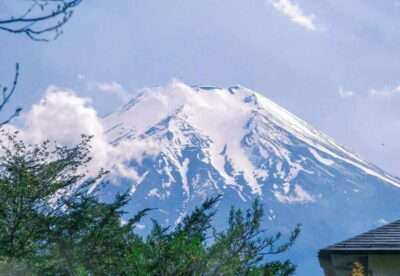

From Fukuoka: Mount Aso, Kurokawa Onsen, and Shrine Tour
Read our review →
Private Nagano 1-Day Tour:Snow Monkeys,Zenko-ji,Obuse,Sake,Onsen
Read our review →More soaks worth the detour