
REVIEW · NEW ZEALAND HOT SPRINGS
Rotorua Geothermal Living Maori Village Tour Whakarewarewa 6.5hours Tour
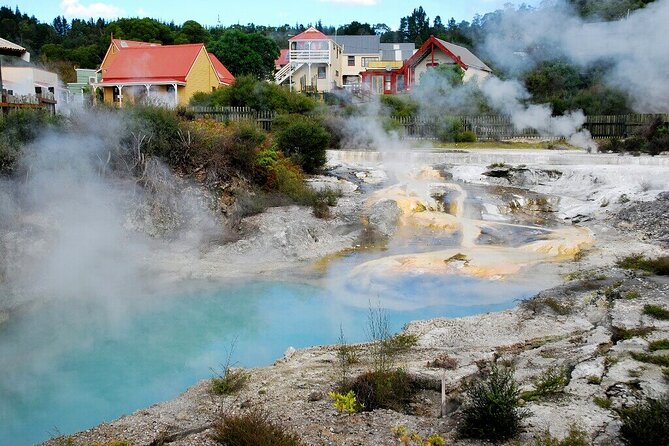
Whakarewarewa Living Māori Village is the heart of this six-and-a-half-hour outing. You walk through a real community where geothermal steam, hot pools, and boiling water are part of daily life, not just scenery behind a fence. A resident guide explains how the village uses the heat for cooking and bathing, then you watch a 30-minute concert with singing, dancing, and the haka.
I like two things right away: the local village guide gives the visit a human voice, and the small vehicle keeps the long ride from Tauranga more relaxed than a big cruise coach. Guides such as Jack, Brian, Peter, Richie, Alistair, Saskia, and Grahame have all been praised for their warmth, humor, and local knowledge.
The catch is the road time. The village is roughly 75 to 80 minutes from Tauranga each way, and some scenic stops are drive-bys rather than full visits. On busy days, the village may also combine groups, so the two-hour cultural visit can feel crowded.
Key points before you book
- A working Māori community: See geothermal pools, cooking areas, steam, and geysers in a village where people still live.
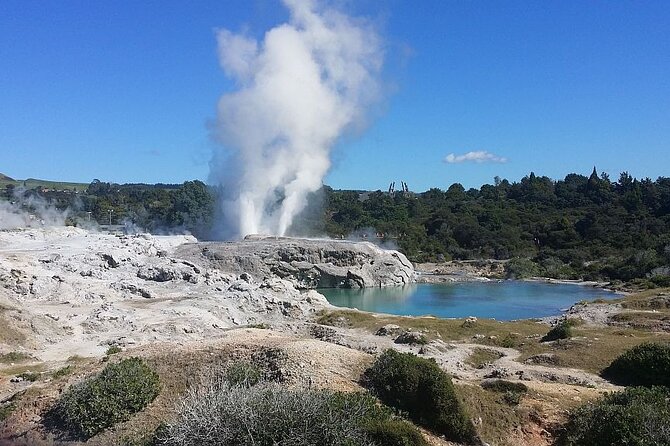
- Pohutu geyser from a safe distance: Its natural eruptions add real drama to the walk, but timing is not guaranteed.
- A 30-minute Māori concert: Singing, dancing, warrior demonstrations, and the haka make this the tour’s main performance.
- Hangi-style lunch included: The light meal is prepared with the help of geothermal heat.
- A long but scenic road journey: The route passes lakes, forest, beaches, Mount Maunganui, Tauranga, and Te Puke’s kiwifruit orchards.
- Cruise-port friendly: Pickup and drop-off are included, with the final departure time adjusted around ship movements.
Why Whakarewarewa is more than a geothermal park
Rotorua has no shortage of geothermal attractions, but Whakarewarewa offers something different. You are not simply viewing mud pools and geysers from a boardwalk. You are entering a Māori community that has lived with this ground for more than 800 years.
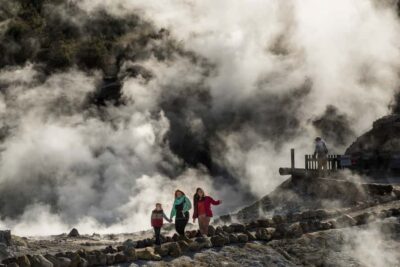
That distinction matters. A bubbling pool here is not only a natural oddity. It can be part of cooking, bathing, heating, or village life. Steam rises beside paths and homes, and the sulfur smell makes it clear that the earth is active beneath your feet.
A Māori guide from the village leads the main visit. The strongest guides introduce the place through personal experience, including what it was like to grow up there and how the community functions now. This gives the tour a sense of place that a standard geothermal walk cannot easily provide.
You should expect a guided visit of about two hours. Wear shoes suited to walking and clothing that can handle changing weather. Geothermal areas can feel warm in one spot and cool a few steps later, so layers are useful.
More Hot Springs and Thermal Baths in New Zealand:
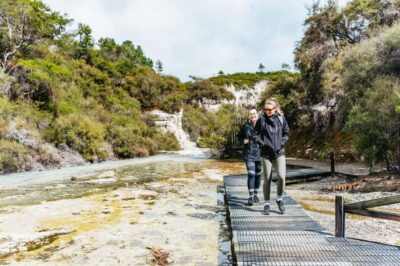
- Rotorua: Wai-O-Tapu Geothermal Park Entry Ticket
★ 4.6 · 2,601 reviews - Rotorua Rafting: Kaituna River White Water Rafting & Free Sauna
★ 5.0 · 1,952 reviews - Rotorua: Hell’s Gate Outdoor Mud Spa & Guided Walk
★ 4.7 · 1,140 reviews
The village walk and geothermal cooking
The walk through Whakarewarewa brings together culture and geology. Your guide explains how residents use the hot pools and steam vents, and you see the practical side of living in such an unusual setting.
The hangi-style lunch is a small but important part of the day. Hangi cooking traditionally uses heated earth, stones, or geothermal heat to cook food slowly. Here, the meal helps connect the demonstration to something you can taste, rather than leaving the geothermal story as a set of facts.
The lunch is described as light, so do not treat it as a large banquet. It is best viewed as a useful included meal during a busy day, not the main reason to book. Personal expenses are not included, so bring money for anything extra you may want to buy.
The village has a strong appeal for families and mixed-age groups. Children can see steam and hot water being used in practical ways, while adults get more context about Māori life and the relationship between community and environment.
One point to keep in mind is group size. The tour vehicle carries no more than 20 people, but the destination may join several groups for parts of the village visit. One report described a group of around 50, which made it harder to hear the guide and move close to the action. This is not typical of the minibus portion, but it can happen at the attraction on busy days.
Pohutu geyser and the power under Rotorua
Pohutu geyser is one of the day’s natural showstoppers. You view it from a safe distance as it erupts naturally during the day. The attraction here is the unpredictability. You are not watching a timed theme-park display, so the exact moment and scale of an eruption are outside the tour’s control.
The geothermal setting also brings strong smells. Rotorua’s sulfur odor is part of the experience, and you may notice it before you reach the village. If you are sensitive to sulfur, be prepared. Most people adjust after a while, but it is worth knowing in advance.
The geothermal sights are not presented as an isolated natural wonder. The guide explains how the Māori community has adapted to them. That combination of hot pools, steam, food, and settlement is what gives the visit its character.
Bring sunscreen and a hat, even on a cool day. The tour operates in all weather, and parts of the visit are outdoors. A light rain layer is also sensible in Tauranga and Rotorua, where conditions can shift quickly.
The Māori performance and the haka
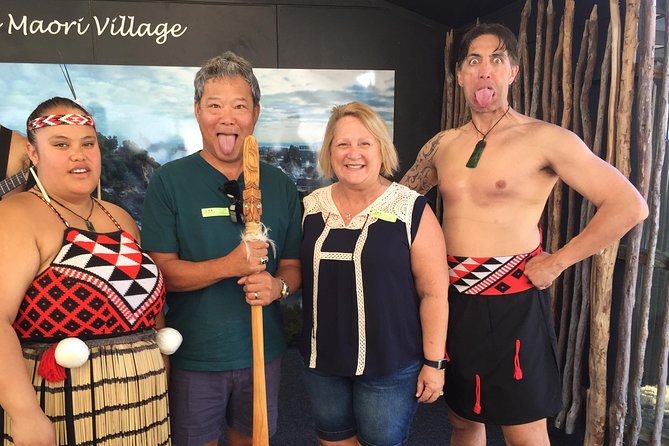
The cultural performance lasts about 30 minutes and includes singing, dancing, warrior demonstrations, and the haka. It gives the day a clear performance element after the quieter village walk.
The haka is the part most people anticipate, but the full program matters. The singing and group movement provide context, while the warrior demonstrations show the physical side of Māori performance traditions. The young performers bring energy, but the value is not only entertainment. The performance is one of the ways the community presents its culture directly to visitors.
This is a scheduled show, so it will feel more formal than the village walk. If you prefer a completely unstructured cultural encounter, you may find the performance less personal. If you want a clear introduction to Māori song, dance, and haka, it fits the day well.
The best position depends on how many people are present. If the destination combines groups, arrive promptly and stay near your guide when moving into the performance area. That gives you a better chance of hearing explanations and seeing the action.
Another pool worth the trip:
- Rotorua Rafting: Kaituna River Rafting Experience-Free Sauna
★ 4.9 · 401 reviews - Polynesian Spa Rotorua: Deluxe Lake Spa Hot Spring Bathing
★ 4.5 · 358 reviews - Geothermal Mineral Baths Experience: Pavilion Pools for 12+
★ 4.5 · 296 reviews - Polynesian Spa Rotorua: Deluxe Lake Spa Hot Spring Bathing
★ 4.5 · 227 reviews
The road from Tauranga to Rotorua
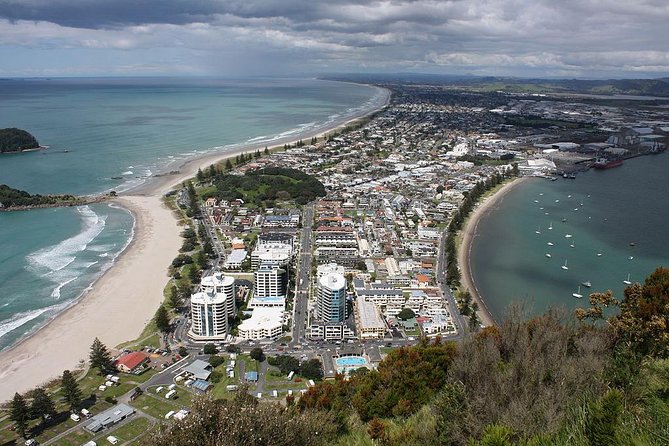
The journey is a major part of this excursion. You spend around 75 to 80 minutes each way on the road, depending on traffic and the day’s timing. That is a real commitment, but it also gives you a broad view of the Bay of Plenty region.
The drive includes forest, lakes, farmland, kiwifruit orchards, coast, beaches, and city scenes. Te Puke is known as the kiwifruit center of the country, and the surrounding region produces about 85 percent of New Zealand’s kiwifruit crop. You will see extensive orchards as the vehicle passes through the area.
Your guide provides commentary along the way. Several guides, including Jack, Brian, Richie, Peter, and Alistair, have been singled out for making the ride informative and enjoyable. A good guide matters here because the road time is long enough for silence to become tedious.
The tradeoff is that many views are seen through the vehicle window. If you want long photo stops, this is not the ideal format. One part of the route includes brief stops, while other sights are pointed out during the drive. The schedule has to protect the return to the ship, so there is limited freedom to linger.
Lake Rotorua and Government Gardens
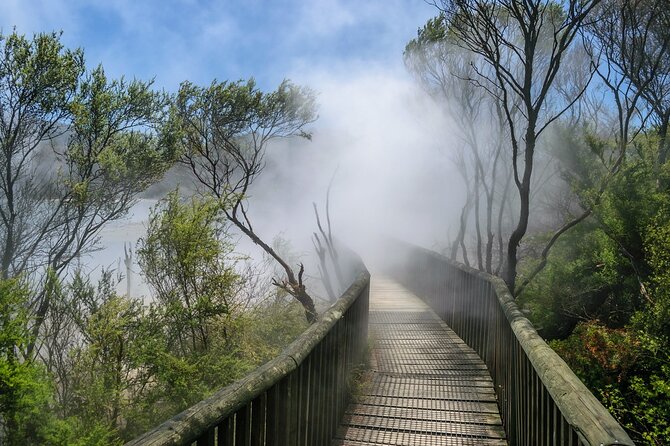
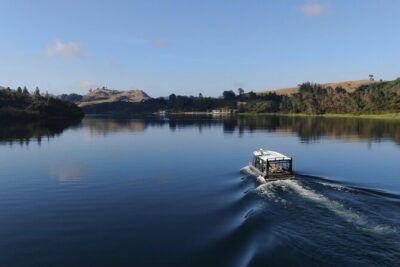
Lake Rotorua is included as a short scenic stop of about 15 minutes. The lake is the central focal point of Rotorua, and it gives you a pause after the village visit. Fifteen minutes is enough for a look and a few photographs, but not for a walk along the shoreline.
Government Gardens receives about 10 minutes. The gardens surround an impressive Elizabethan-style building that was once New Zealand’s first health spa and now houses Rotorua Museum. The building is an important reminder that Rotorua’s thermal waters have long drawn people seeking health and relaxation.
This part of the itinerary is a quick orientation rather than a full garden visit. You may be shown features from the vehicle or given only a short stop. That keeps the tour on schedule, but it also means you should not book this excursion expecting extended time at Rotorua’s city attractions.
The wider Rotorua segment lasts about an hour and is mainly a city tour. You see the principal sights as part of the drive, giving you a useful first look at the town without taking time away from Whakarewarewa.
Tauranga, Mount Maunganui, and the port
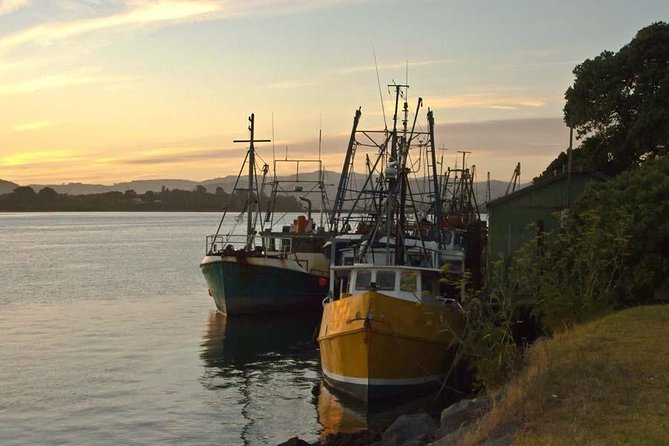
The tour begins and ends in the Tauranga area, with port pickup and drop-off included. The listed meeting point is 1 Salisbury Avenue, Mount Maunganui, but cruise passengers should follow the pickup instructions sent after booking because the departure time can change around early or late ship arrivals.
The drive through Tauranga gives you a look at one of New Zealand’s fastest-growing cities and the country’s largest port. Mount Maunganui adds a very different mood, with popular beaches and an expensive seaside suburb along the route.
These sections are mostly sightseeing from the vehicle. You may not have time for a beach walk or a climb, so think of them as regional orientation. They are useful if your port visit is short and you want to see more than the immediate cruise terminal area.
The operator places strong emphasis on returning to the ship on time. The tour has operated for many years without missing a ship, according to the company response, but you should still check your email for the confirmed departure time and arrive 15 minutes early.
Is the $166.93 price fair?
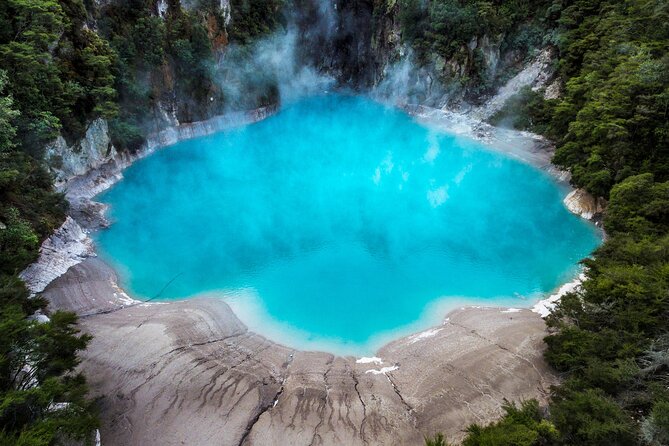
At $166.93 per person, this is not the cheapest way to see Rotorua. The price includes transport, a professional guide, port pickup and return, the village admission, Māori performance, and a light hangi-style lunch.
The value improves if you are arriving by cruise ship. Organizing a private trip from Tauranga to Rotorua would require transport, timing, admission, and a careful return plan. Here, the operator handles the long transfer and builds in several regional sights.
The small vehicle is another benefit. A maximum of 20 people is more manageable than a cruise excursion with 60 or more passengers. You can usually hear the guide more easily, and the day feels less like a simple transfer.
Still, do not confuse a small vehicle with a guaranteed small group at every stop. Whakarewarewa may combine tour groups once you arrive. If personal attention during the village walk is your top priority, this is the main risk to weigh.
Who will enjoy this tour most?
I would choose this outing if you want Māori culture and geothermal scenery in one day. It suits cruise passengers who prefer an independent shore excursion but do not want to arrange a long cross-country transfer themselves.
It is also a good match for families and mixed-age groups. The geothermal features, village stories, performance, lunch, lakes, and orchards keep the day varied. Guides are used to explaining the area to people with different interests and mobility levels, although the visit does involve walking outdoors.
You may want another option if you dislike long drives, sulfur smells, or scheduled performances. You may also feel rushed if your ideal Rotorua visit involves spending hours at one geothermal park, museum, or lake.
Book early if the timing works for your ship. The tour had been booked five or more times in the previous week, and confirmation is subject to availability. The departure time is not fixed until the booking is accepted, so keep an eye on your email.
Should you book the Whakarewarewa day trip?
I would book it for the living village experience, the local guide, and the chance to combine Māori culture with Rotorua’s geothermal setting. The haka, hangi-style lunch, and Pohutu geyser give the day plenty of memorable moments.
I would skip it if you want a slow, photo-focused day with many long stops. The drive is substantial, and the scenic portions around Lake Rotorua, Government Gardens, Tauranga, and Mount Maunganui are brief.
For a cruise stop, though, the balance is sensible. You get a real cultural visit, a meal, a performance, and a wide look at the Bay of Plenty without having to solve the transport puzzle yourself.
FAQ
How long does the tour last?
The tour lasts approximately 6 hours and 30 minutes.
Where does the tour start?
The listed meeting point is 1 Salisbury Avenue, Mount Maunganui 3116, New Zealand. Cruise passengers receive departure details after booking, and the time may change around ship arrivals and departures.
Is port pickup and drop-off included?
Yes. Port pickup and drop-off are included, and the activity ends back at the meeting point.
What happens at Whakarewarewa Living Māori Village?
You take a guided walk through an active Māori village, learn how residents use the geothermal environment, see hot pools and steam, view Pohutu geyser from a safe distance, and watch a cultural performance.
Is lunch included?
Yes. A free light lunch prepared in the hangi style is included.
How long is the Māori performance?
The Māori cultural performance lasts about 30 minutes and includes singing, dancing, warrior demonstrations, and the haka.
How large is the tour group?
The tour vehicle has a maximum of 20 participants. At Whakarewarewa, the destination may combine several groups for the village visit on busy days.
What should I wear?
The tour operates in all weather. Wear suitable layers and bring a hat and sunscreen. You should also be prepared for outdoor walking and the sulfur smell common in Rotorua’s geothermal areas.
Freshly added soaks in New Zealand
- Boutique tour , Mt Maunganui, NZ farm, Rotorua lakes/geothermal★ 4.5 · 50 reviews
- Half-Day Tour – Ex Rotorua: WAI-O-TAPU Thermal Wonderland★ 4.0 · 8 reviews
- Rotorua: ‘Thermal Path Tour’ Geothermal half day Tour★ 4.9 · 15 reviews
- From Rotorua: WAI-O-TAPU Geothermal Wonderland Half-Day Tour★ 4.6 · 76 reviews
- ROTORUA – Hell’s Gate Geothermal Park & Mud Spa Day Trip★ 4.5 · 41 reviews
- Ex Auckland: Rotorua Māori Village with Haka and Hot Springs★ 5.0 · 55 reviews
- From Auckland: Rotorua Māori Village & Hot Springs with Haka★ 4.8 · 58 reviews
- Rotorua Cultural & Geothermal Small Group Tour From Auckland★ 5.0 · 22 reviews
New Zealand Hot Springs, compared.
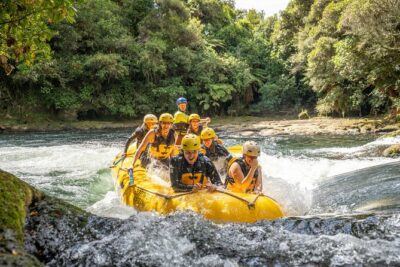
Rotorua Rafting: Kaituna River White Water Rafting & Free Sauna
Read our review →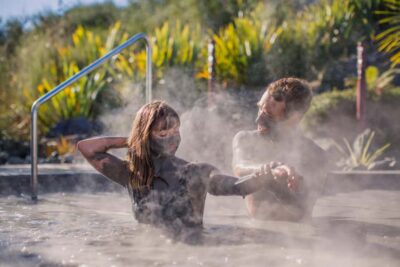
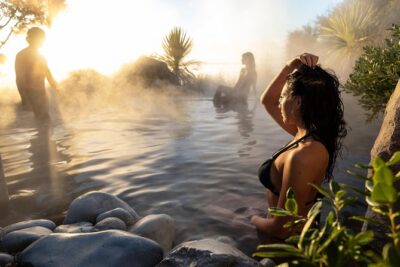
Polynesian Spa Rotorua: Deluxe Lake Spa Hot Spring Bathing
Read our review →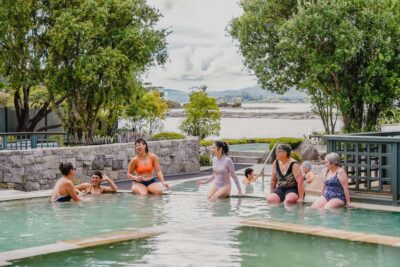
Geothermal Mineral Baths Experience: Pavilion Pools for 12+
Read our review →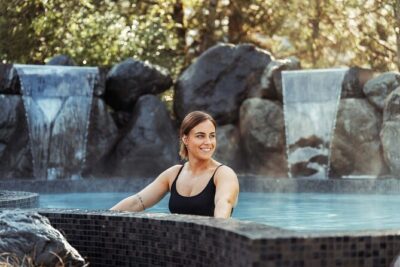
More soaks worth the detour