
REVIEW · JAPANESE ONSEN TOURS
Kobe Guided Tour Including Port Area and Arima Onsen Town
Kobe changes character quickly on this tour. You begin among the port, foreign trade roots, and busy streets of central Kobe, then finish in Arima Onsen, a mountain town known for centuries of hot-spring tradition. I like that contrast, and I like the small maximum of 10 people, which leaves room for conversation with guide Yuta. The other plus is the easy mix of major sights: Port Tower, Nankinmachi, and Ikuta Shrine.
The main thing to plan around is the four-hour schedule. It covers plenty of ground, and Arima is nearly an hour from central Kobe by public transport after the tour. Port Tower admission is extra, dinner is not included, and an afternoon change can make Arima difficult to visit before dark.
Key points to know before booking
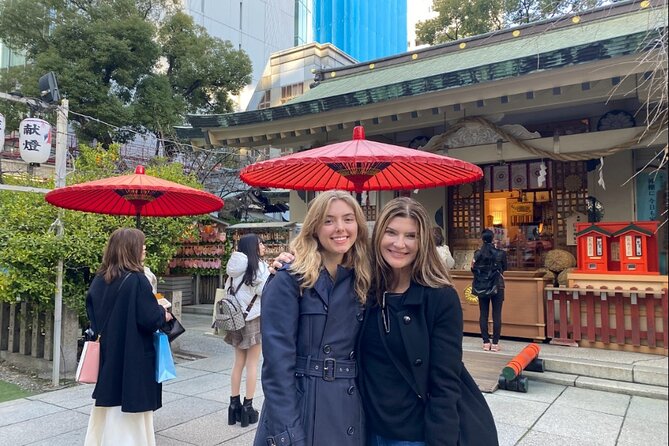
- A port-to-mountain route: See Kobe’s waterfront, city center, and Arima Onsen in one outing.
- A small group: The tour accepts no more than 10 people, and it can sometimes become a private walk if others cancel.
- A clear meeting point: Meet at Motomachi Station at 10:00 a.m., then finish at Arimaonsen Station.
- Four distinct stops: Allow roughly one hour at Port Tower, 30 minutes in Chinatown, 30 minutes at Ikuta Shrine, and two hours in Arima.
- Extra costs matter: Port Tower admission and some transportation fares are not included. Dinner is also on your own.
- Some walking is required: You should have moderate physical fitness for the city streets and the uphill mountain-town setting.
Why this route gives you two sides of Kobe

Many Kobe tours stay near the harbor. This one uses the city as a starting point, then takes you toward the Rokko mountain area and Arima Onsen. That gives you a more useful sense of Kobe than a port-only outing.
Kobe grew as an international trading port, and the first part of the tour reflects that outward-looking character. You see the waterfront, Chinatown, and a major shrine within a compact city area. Arima offers a different mood, with narrow streets, old-style town scenery, hot-spring culture, and a slower pace.
I especially like this pairing if you have only one day for Kobe. You will not explore each stop at great length, but you do get a broad introduction. The tradeoff is time. This is a highlights walk, not a detailed study of every neighborhood.
The group limit of 10 is another practical benefit. A small party makes it easier to hear Yuta, ask questions, and adjust the pace. On one occasion, when other people canceled, Yuta led a private tour. That is not something you should assume will happen, but it shows how the tour can feel personal when the group is small.
More Onsen Tours in Japan:
- From Osaka: Himeji Castle, Arima Onsen & Mt. Rokko Day Tour
★ 4.6 · 339 reviews - From Tokyo: Private Tour to Fuji/Hakone – Onsen, Art, Nature
★ 5.0 · 116 reviews - Mt. Fuji, Hakone Private Tour from Tokyo – Onsen, Arts and Nature
★ 5.0 · 79 reviews
Meeting Yuta at Motomachi Station
The tour begins at Motomachi Station at 10:00 a.m. The stated meeting address is 1 Motomachikokadori in Kobe’s Chuo Ward. Arriving with a little time to spare is sensible, since the experience starts with a station meeting rather than a hotel pickup.
Motomachi is a useful starting area for this route. It places you close to Kobe’s central shopping streets, Nankinmachi, the former foreign settlement area, and the port. You do not waste the morning crossing the whole city before the sightseeing begins.
The guide is Yuta. His role is more than leading you from one pin on a map to another. The most useful part of a small walking tour is being able to ask why a neighborhood looks the way it does, how the port shaped Kobe, and how the city’s religious and food traditions fit together.
The tour summary says you first meet at a JR line station, while the detailed meeting point identifies Motomachi Station. Use the specific Motomachi instructions when planning your arrival.
Port Tower and the Meriken Park waterfront
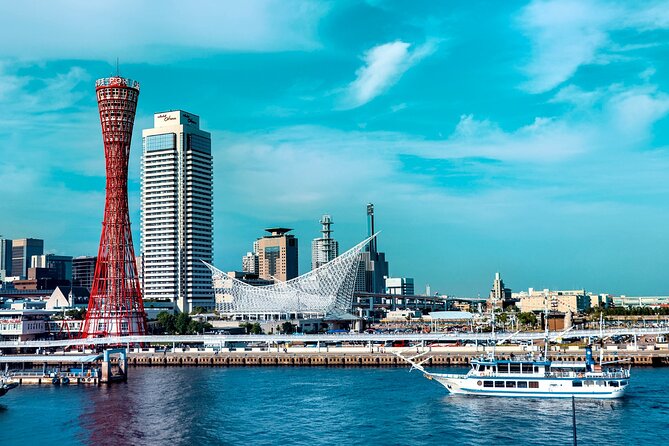
The first major stop is Kobe Port Tower, the red lattice tower in the Meriken Park waterfront area. At 108 meters high, it is one of the city’s most recognizable sights and gives the tour a strong visual starting point.
You have about an hour here. That is enough time to look around the waterfront and, if you choose, consider going up the tower. The admission ticket is not included, so budget for that separately if you want the observation experience.
The port area matters because Kobe’s identity is tied closely to imports, trade, and contact with people from abroad. You can see that influence in the city’s food, architecture, and neighborhoods later in the route. The waterfront is not just a photo stop. It helps explain why Kobe feels different from a more inward-looking Japanese city.
There is one timing point to keep in mind. If the tour is moved from morning to afternoon, daylight becomes important. A four-hour route that includes the port and Arima may work well in the morning, but a later start can reduce the time available at the mountain end. Confirm the start time if your schedule changes.
Nankinmachi, Kobe’s Chinese quarter
From the port area, the route continues to Nankinmachi, Kobe’s Chinatown. The planned visit lasts about 30 minutes, and admission is free.
Half an hour is enough to walk through the main area, take in the shopfronts, and look for a quick bite if the timing allows. It is not enough for a long food crawl, so think of this as an introduction rather than a full meal stop.
Food is one of the strongest reasons to pay attention here. One account of the tour specifically appreciated the eating and shopping around Chinatown. If you want a proper meal, remember that dinner is not included, and the schedule may not leave room for a long sit-down lunch.
Nankinmachi also continues the port story. Kobe’s international connections are not confined to museums or old buildings. They show up in the streets, the food, and the mix of local and overseas influences. Yuta can help connect those pieces as you walk.
The short stop works best for you if you arrive with realistic expectations. You will see the district and get a taste of its character, but you may need to return later if food is a major reason for visiting.
More Guided Tours in Japan:
- Guide tour of Japanese bathing culture at Funaoka Onsen
★ 5.0 · 15 reviews - Samurai Guide Sho’s Mt. Takao Hike, Temple & Onsen from Shinjuku
★ 5.0 · 9 reviews - Mt. Fuji Tours to Lake Kawaguchi and Yamanaka Onsen English Guide
★ 4.5 · 4 reviews - Onsen Spa in Tokyo and Asakusa Bar Hopping with Local Guide
★ 5.0 · 3 reviews
A quieter pause at Ikuta Shrine
The next stop is Ikuta-jinja, one of Japan’s oldest shrines, with a founding date placed in the third century. The visit lasts about 30 minutes, and there is no admission charge.
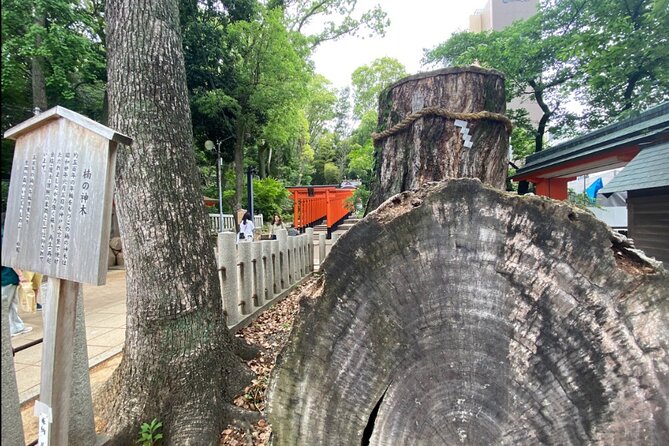
After the port and Chinatown, the shrine offers a change of pace. Shinto shrines are active religious places, not simply old buildings for sightseeing. You can use this stop to notice the approach, shrine buildings, and the way a sacred site fits into a modern city center.
Thirty minutes is a sensible amount of time for a first look. It lets you see the grounds without turning the visit into a long formal stop. If you enjoy Japanese religious sites, you will likely want to ask Yuta about customs and meaning, since the value here comes from context as much as from taking photographs.
The shrine also helps balance the route. Without it, the day would lean heavily toward shopping, food, and port history. With Ikuta-jinja included, you get a clearer picture of Kobe as both an international city and a place with old local traditions.
Arima Onsen after the city streets
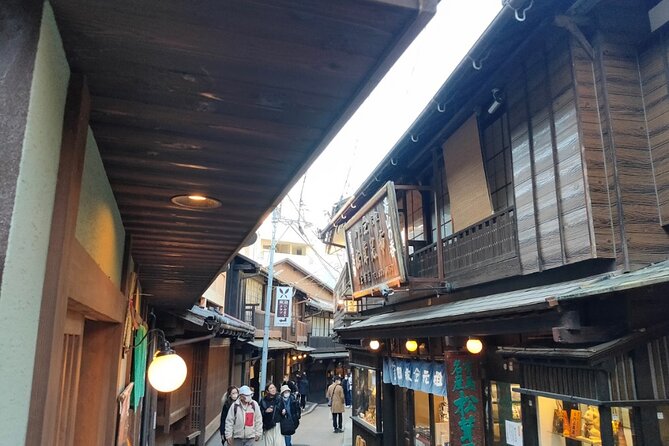
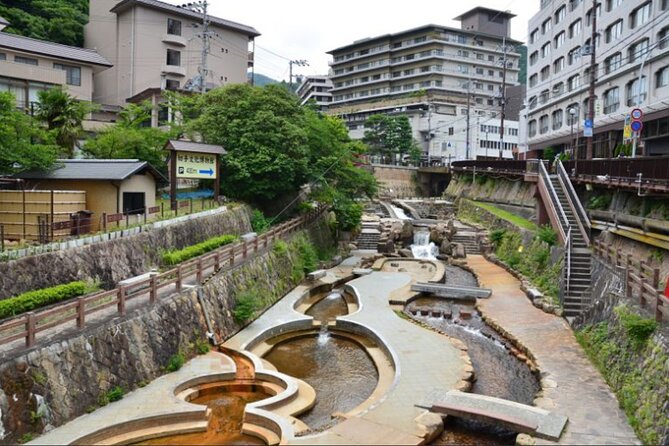
The tour’s biggest change in scenery comes at Arima Onsen, where you spend about two hours. The town sits in the mountainous part of Kobe and is known as one of Japan’s oldest and most famous hot-spring areas.
Arima is compact and walkable, which makes two hours useful. You can stroll the town, browse shops, look for traditional details, and pause at the free public hot foot bath. The foot bath is a particularly good option if you want a taste of onsen culture without committing to a full bathing visit.
Do not confuse this stop with a full hot-spring resort stay. The tour gives you time in the town, but no dinner is included and the experience does not promise a private bath or overnight stay. The free foot bath is specifically noted as an option, while other bathing costs are not detailed.
Arima’s appeal comes from the contrast with Kobe’s harbor. The city feels open and modern; Arima feels older and more enclosed by the mountains. You get to see both without arranging separate day trips.
There is also a practical issue. The tour ends at Arimaonsen Station, written in the details as Arimaonsen Station in Arimachō. The station is close to the town center, but getting back to central Kobe takes almost an hour. Yuta explains how to make your own return journey, but the fare is not included.
The route also lists a transportation fare from Teradacho to Shinimamiya as not included. That does not match the main Kobe meeting and ending points, so ask for clarification before booking if that fare could affect your plans.
The value of $84.55
At $84.55 per person, the tour is priced as a guided introduction rather than a simple walking route. The value comes from linking four different sights and handling the flow between a city center and a mountain town.
I would consider the price fair if you want guidance, historical context, and help with the route. A self-guided day could cost less, especially if you skip Port Tower and use free sights. But you would need to organize the transport, choose the order, and figure out how to connect Kobe with Arima.
The price does not cover everything. Plan separately for Port Tower admission, transportation fares identified as excluded, and food or beverages. The complimentary gift for each person is a nice extra, but it should not be the reason you book.
The tour is booked, on average, 37 days ahead. That suggests you should not leave it until the final moment if your Kobe dates are fixed. The non-refundable policy also matters: once booked, you cannot cancel or amend the experience for a refund.
Timing, walking, and the afternoon problem
The advertised start is 10:00 a.m., and the duration is about four hours. That morning schedule is important because it protects your time in Arima. If the tour starts later, the route may reach the mountain town when daylight is fading.
One person had the itinerary changed to an afternoon tour and could not visit Arima before dark. Yuta adapted the plan to suit that person’s interests, which is a useful sign of flexibility, but it also shows the limits of the schedule. If Arima is your main reason for booking, make the morning start a priority.
The tour requires moderate physical fitness. You will walk through city streets, move between several stops, and explore a town in a mountain setting. The details do not promise a fully accessible route, so you should ask ahead if stairs, slopes, or extended walking are a concern.
Wear comfortable shoes and keep your day light after the tour. Since the finish is outside central Kobe, you may not want to schedule a tight appointment immediately afterward.
Who should book this Kobe tour?
I would choose this experience if you want a compact first look at Kobe and prefer a guide to explain the city as you move through it. It is especially useful for people who want both the port and Arima Onsen but do not want to plan the connections themselves.
It also suits you if you enjoy walking, local food areas, shrine visits, and short stops with a small group. The free foot bath in Arima adds a pleasant local touch, while the gift and personal guidance make the outing feel less like simple point-to-point transport.
I would hesitate if you want a relaxed spa day, a long meal in Chinatown, or extensive time inside Port Tower. The schedule is too tight for all three. I would also think twice if you need to return quickly to central Kobe, since the tour ends at Arimaonsen Station and the return takes close to an hour.
Should you book it?
Book this tour if the city-to-mountain contrast is what attracts you. Port Tower, Nankinmachi, Ikuta Shrine, and Arima Onsen form a useful introduction to Kobe, and Yuta’s small-group format gives you a better chance to ask questions and adjust the pace.
Skip it if you want a slow, unstructured day or if Arima’s hot springs are your only goal. In that case, spend more time in Arima itself. For a first visit with limited time, though, this is a practical way to see Kobe’s port character, local traditions, food streets, and mountain hot-spring town in one morning.
FAQ
Where does the tour start?
The tour starts at Motomachi Station, at 1 Motomachikokadori in Kobe’s Chuo Ward, Hyogo 650-0014, Japan.
What time does the tour begin?
The scheduled start time is 10:00 a.m.
How long does the tour last?
The experience lasts approximately four hours.
Where does the tour end?
The tour ends at Arimaonsen Station in Arimachō, Kita Ward, Kobe. The station is close to the Arima Onsen town area.
How do I return to central Kobe afterward?
Returning to central Kobe takes almost one hour. The guide explains how to make the return journey yourself, but transportation back is not included.
What places are visited?
The route includes Kobe Port Tower, Nankinmachi Chinatown, Ikuta Shrine, and Arima Onsen.
Is admission included?
Admission to Nankinmachi, Ikuta Shrine, and Arima Onsen is listed as free. Admission to Kobe Port Tower is not included.
Is transportation included in the price?
Transportation fares listed in the tour details are not included. The details specifically identify the Teradacho to Shinimamiya fare as excluded.
Is the tour refundable?
No. The experience is non-refundable and cannot be changed for any reason after booking.
Freshly added soaks in Japan
- Japanese Head Onsen and Scalp Massage Retreat in Tokyo★ 4.5 · 2 reviews
- Tokyo Local Tattoo Friendly Public Bath Experience★ 5.0 · 4 reviews
- Mt. Fuji to Lake Kawaguchi, Lake Yamanaka and Onsen Day Tour★ 4.5 · 3 reviews
- Tattoo-friendly open-air Onsen & drink★ 5.0 · 25 reviews
- Mt. Fuji Tours to Lake Kawaguchi and Yamanaka Onsen English Guide★ 4.5 · 4 reviews
- Onsen Spa in Tokyo and Asakusa Bar Hopping with Local Guide★ 5.0 · 3 reviews
- Private Tour to Snow Monkey, Zenkoji Temple & Hot Springs Nagano★ 4.0 · 2 reviews
- Mt FUJI – Panoramic Tour w/ Hoto Lunch, JP Sake & Onsen tatto OK!★ 5.0 · 9 reviews
Japanese Onsen Tours, compared.
Himeji Castle, Arima Onsen & Mt. Rokko Day Tour
Read our review →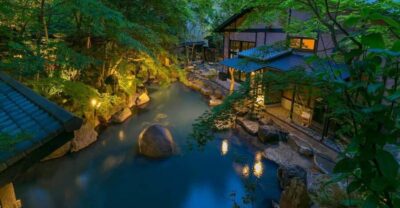
Private Tour to Fuji/Hakone – Onsen, Art, Nature
Read our review →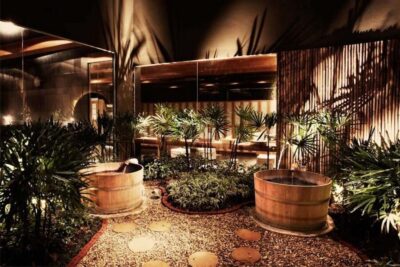
All-Day Pass to Yunomori Sathorn Onsen Bath and Spa
Read our review →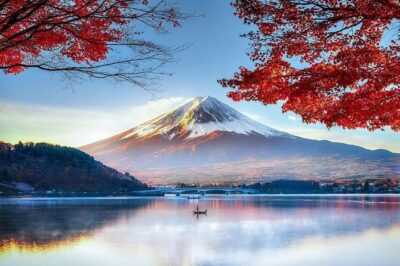
Mt. Fuji, Hakone Private Tour from Tokyo – Onsen, Arts and Nature
Read our review →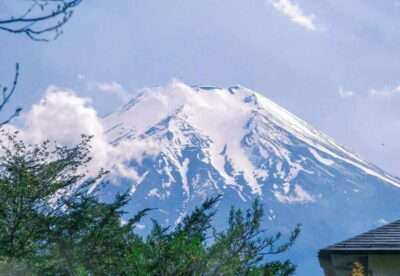
From Fukuoka: Mount Aso, Kurokawa Onsen, and Shrine Tour
Read our review →
Private Nagano 1-Day Tour:Snow Monkeys,Zenko-ji,Obuse,Sake,Onsen
Read our review →More soaks worth the detour