
REVIEW · CHINA HOT SPRINGS
Xi’an Terracotta Warriors, Huaqing Hot Spring, and Banpo Museum
The day’s biggest payoff comes at the Terracotta Warriors Museum, where thousands of life-size figures appear in battle formation. I like that this tour adds two very different stops first: Banpo offers a look at prehistoric village life, while Huaqing Palace brings Tang Dynasty romance and mountain scenery. You also get lunch, transport, entrance fees, and an English-speaking guide in the $89 price.
The catch is the group format. A bus may carry people on different itineraries, and one tour had 16 people rather than a truly small group. Pickup times vary by hotel, and traffic can stretch an already full eight-hour day.
Key points to know before booking
- Three major sights in one day: Banpo Museum, Huaqing Palace, and the Terracotta Warriors make this a useful choice for a first visit to Xi’an.
- The Terracotta Warriors get about 2.5 hours: That is enough for the three main pits, though you will need to keep moving.
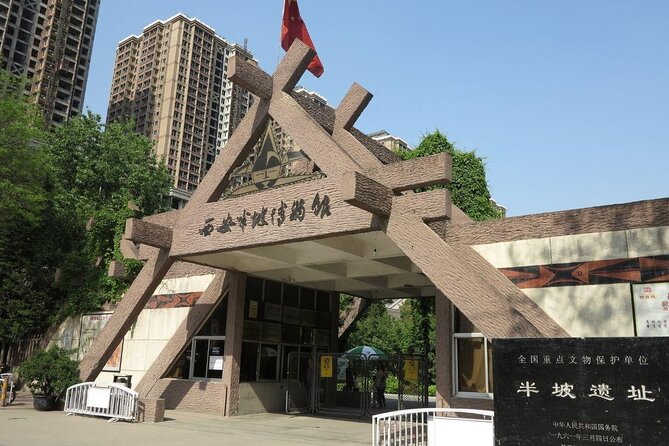
- Banpo adds a rare prehistoric angle: You see evidence of a Yangshao community dating back roughly 6,000 years.
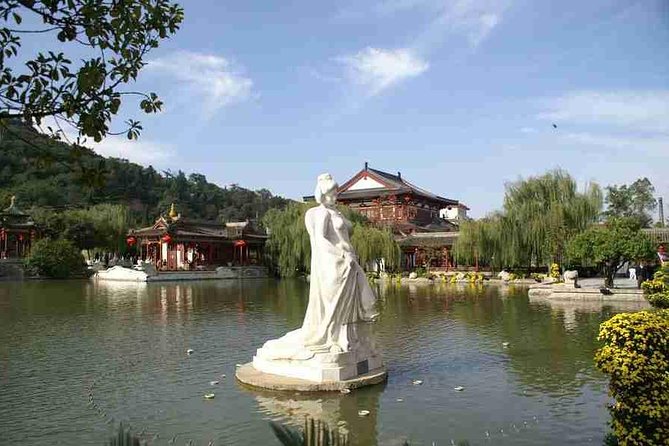
- Huaqing Palace is more than a hot spring: Expect gardens, palace grounds, scenic views, and the story of Emperor Xuanzong and Yang Guifei.
- The group can be larger than expected: The maximum is 30 people, and a reported departure had 16.
- Guiding is a major strength: Alice and Alicia are noted for excellent English and helpful commentary, though the exact guide is not guaranteed.
Why this Xi’an day trip covers so much
Xi’an is not a city where all the major sights sit within an easy walk of one another. Banpo Museum and the Terracotta Warriors are outside the central hotel zone, and Huaqing Palace is also beyond the city center. This tour solves the transport problem with round-trip hotel pickup and an air-conditioned vehicle.
You spend about eight hours on the road and at the sights. That is a long day, but it gives you three distinct views of Chinese history: prehistoric settlement, Tang Dynasty court culture, and the Qin emperor’s burial project.
I especially like the range. Many visitors come to Xi’an for the warriors and stop there. Banpo gives you a much earlier chapter, while Huaqing helps explain the setting and stories connected with the area near the Qin tomb complex.
The tour is also practical for anyone who does not want to arrange separate taxis, train rides, or admission tickets. The package includes transport, guiding, entrance fees, and a local lunch. At $89, the value depends on how much you want convenience. A person who enjoys making independent day trips may find the group schedule restrictive. If you prefer having the route handled for you, the price is easier to justify.
More Museums in the world:
- Hellisheiði Geothermal Exhibition: Entry and Audio Tour
★ 4.6 · 88 reviews - Geothermal Energy Exhibition Entry Ticket
★ 4.5 · 34 reviews - Full Day Ice Museum and Chena Hot Springs Tour
★ 4.4 · 32 reviews
Banpo Museum and 6,000 years of village life
The first stop is Banpo Museum, built around the remains of a Neolithic settlement associated with the Yangshao culture. The site dates to approximately 6,000 years ago, long before the imperial eras most people connect with China.
This is the quietest and most unusual part of the day. Instead of monumental tombs or palace buildings, you are looking at traces of daily life in a prehistoric community. Your guide explains the settlement and the idea of a Neolithic matriarchal community, giving the ruins a human scale.
Allow about three hours for the first part of the route, including Banpo and the short visit to a terracotta reproduction factory. That combined timing means Banpo is not a rushed photo stop, but the exact time inside each location can vary with traffic and group movement.
I would pay close attention here if you enjoy archaeology. The museum gives you useful context before the later imperial sites. You see that Xi’an’s story did not begin with the Qin emperor or the Tang court. It reaches back thousands of years into organized village life.
The drawback is simple: Banpo may be less immediately dramatic than the Terracotta Warriors. If your only goal is to see the famous clay soldiers, the first stop can feel like an extra. I think it earns its place for anyone who wants more than a single headline attraction.
How the terracotta figures were made
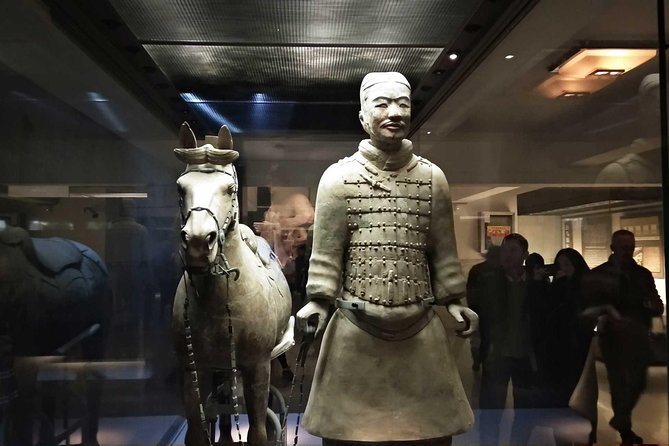
After Banpo, the tour includes a short stop at a Terracotta Warriors reproduction factory. This is a production site rather than the original archaeological museum, and its purpose is to show how terracotta soldiers are made.
That distinction matters. You are not seeing the Qin emperor’s original figures here. You are getting a look at the craft behind the familiar forms before seeing the real army later in the day.
The stop may appeal to you if you want a clearer sense of the material and process. It can also help children connect the famous figures with the physical work involved in shaping and finishing them. The visit is brief, so do not expect a full workshop course or a long independent exploration.
Factory stops can divide opinion. Some people appreciate the demonstration and the chance to see reproductions up close. Others would rather spend every available minute at the archaeological museum. On this itinerary, the visit is part of the route, so factor it into your expectations.
Huaqing Palace, hot springs, and a Tang Dynasty love story
Next comes Huaqing Palace, also called Huaqing Hot Spring. The site combines scenic grounds, palatial buildings, and a long association with imperial leisure.
You enter through the gate marked by the inscription Huaqing Chi. Inside, your guide points out the setting and tells the famous love story of Emperor Xuanzong and Yang Guifei, his beloved concubine during the Tang Dynasty. That story gives the palace a more personal atmosphere than a purely architectural stop.
The itinerary allows about two hours here. I like that amount of time because it gives you room for photos and a proper walk through the grounds without turning the visit into an all-day palace tour.
This is the prettiest stop on the route. The scenery provides a welcome change after the archaeological focus of Banpo and before the large museum halls at the warriors. Bring a camera, but also listen to the guide. The value of Huaqing comes from the combination of place and story.
The name can create a false expectation, so keep it clear in your mind: this is a historic palace and hot spring complex, not simply a modern spa visit. The supplied details promise scenery, palace grounds, and commentary on the Tang court romance. They do not promise bathing access or spa treatments.
More Hot Springs and Thermal Baths in the world:
- Budapest: Széchenyi Spa Day Ticket with Optional Upgrades
★ 4.3 · 23,911 reviews - Krakow–Zakopane: Cable Car, Chocholow Baths, Cheese & Vodka
★ 5.0 · 10,720 reviews - Bali: Mount Batur Sunrise Guided Hike and Natural Hot Spring
★ 4.8 · 9,284 reviews - Reykjavik: Sky Lagoon Entrance Pass With 7-Step Spa Ritual
★ 4.8 · 6,166 reviews
Lunch at a local Chinese restaurant
Lunch comes after Huaqing Palace and before the Terracotta Warriors Museum. A local restaurant meal is included, which removes one small but important decision from a busy day.
The details of the menu are not specified, so you should not book this expecting a particular dish or dietary arrangement. The useful point is timing. You can eat during the scheduled stop instead of losing sightseeing time searching for a restaurant near the museum.
For many people, the included meal improves the value of the tour. It is one less expense to handle, and it keeps the group moving toward the main attraction. If you have strict food needs, ask the provider before booking, since the available information does not confirm special menus.
Entering the three Terracotta Warrior pits
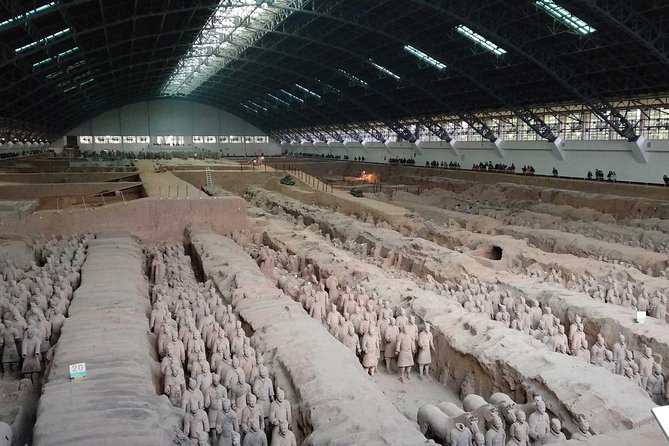
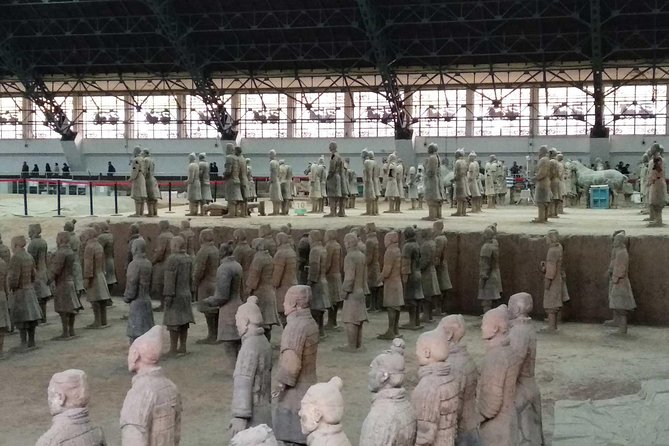
The final major stop is the Museum of Qin Terracotta Warriors and Horses. You get about 2.5 hours here, with the guide taking you through all three pits in the order they were discovered.
This is the point of the day when the scale becomes clear. The figures are life-size, and the soldiers and horses are arranged in battle formations. The effect comes not just from individual statues but from the repeated ranks stretching through the excavation halls.
Your guide’s commentary is useful here because the pits can otherwise feel like a huge room full of similar figures. The guide helps you follow the discoveries and understand why the three pits matter. The planned visit is long enough to see the principal displays, but it is not unlimited time for slow photography or a detailed study of every figure.
I would stay close to the guide during the first walk through the pits, then use any remaining time for your own viewing. In a group, the pace is set by the schedule and by the needs of the full vehicle, so you should not expect the freedom of a private visit.
The warriors are the strongest reason to book this day. Banpo and Huaqing make the route broader, but the Qin army is the unforgettable centerpiece. If you have only one day for Xi’an’s major attractions outside the center, this arrangement gives you a solid introduction.
Guides, group size, and the real pace of the day
The guide can make or break a history-heavy outing. Alice has been singled out for superb guiding, and Alicia for clear English and informative explanations. Those comments point to the tour’s strongest human element, but the specific guide depends on the departure.
The group is capped at 30 people. That is not a private tour or an intimate small-group outing. One departure had 16 people in the minibus, which is manageable but still large enough to affect the pace at entrances and meeting points.
There is another practical wrinkle. Different passengers may have booked different versions of the day. On one departure, people on the same vehicle had not booked all three attractions and were asked to pay extra admission fees or wait while the full itinerary continued.
This does not mean the three-stop package is poorly designed, but it does mean you should confirm what is included in your own booking and pay attention when the guide explains the day. A mixed vehicle can create waiting time and confusion, especially when some people leave at different attractions.
Pickup is offered from downtown Xi’an hotels. The listed meeting point is Bell Tower Hotel Xian at 110 Nan Da Jie, although the service information also describes hotel pickup and drop-off. Pickup time varies by hotel location, generally within the morning window from 8:30 to 9:30. The guide may contact you at the hotel in advance or leave a message with the pickup details.
Traffic affects the transfer time. That matters because the advertised eight hours is approximate, not a guarantee that every stop will receive identical minutes on every day.
Is $89 a fair price?
For $89, you receive a group tour, an air-conditioned vehicle, an English-speaking guide, lunch, hotel transfers, and entrance tickets. That is a strong bundle if you would otherwise need to organize transport to three outlying sights and buy admissions separately.
The main thing you are giving up is control. You cannot set your own departure time, linger as long as you like at one pit, or easily skip a stop. You also share the vehicle with up to 30 people, although the actual number may be lower.
I see this as a convenience-first price rather than a bargain for independent explorers. It is worthwhile for a first visit, for anyone staying in central Xi’an without a car, and for people who want historical explanation along the way. It is less attractive if you already have transport, want a private guide, or plan to spend a full day at the Terracotta Warriors alone.
Who should book this experience?
I would choose this tour if you want the major sights covered in one day and prefer a guide to explain what you are seeing. It suits first-time visitors, families with an adult accompanying each child, and anyone who values hotel pickup and a planned lunch.
It also works well if you want more context than a single museum provides. Banpo reaches back 6,000 years, Huaqing introduces Tang court culture, and the warriors bring you to the Qin period.
I would hesitate if you dislike fixed schedules or larger groups. The route is busy, the transfer time depends on traffic, and the vehicle may include people following different itineraries. Dress for the weather, since the tour operates in all conditions, and wear something suitable for a full day of walking and sightseeing.
Should you book the Xi’an three-stop tour?
Book it if you want an efficient, guided day that combines Xi’an’s prehistoric remains, Tang-era palace setting, and world-famous Terracotta Warriors. The included lunch, tickets, transport, and hotel pickup make the $89 price reasonable for a convenience-focused visit.
Skip it if your priority is a private pace or a long, unhurried examination of the warriors. The clearest warning is the group arrangement, not the sights themselves. With a strong guide such as Alice or Alicia, the day can be informative and smooth, but you should confirm your exact inclusions and accept that this is a full shared excursion.
FAQ
How long does the tour last?
The tour lasts approximately eight hours, including transfers and sightseeing.
What attractions are included?
The route includes Xi’an Banpo Museum, Huaqing Palace and Hot Spring, a Terracotta Warriors reproduction factory, and the Museum of Qin Terracotta Warriors and Horses.
How much time is spent at the Terracotta Warriors Museum?
You spend approximately 2.5 hours at the Terracotta Warriors Museum and visit all three pits.
Is hotel pickup available?
Yes. Hotel pickup and drop-off are included, with pickup arranged from the hotel lobby. The exact time varies by hotel location.
Where is the listed meeting point?
The listed starting point is Bell Tower Hotel Xian, 110 Nan Da Jie, Bei Lin Qu, Xi’an, Shaanxi, China.
Is lunch included?
Yes. A local Chinese restaurant lunch is included.
Is the tour private or shared?
It is a group tour. The maximum group size is 30 people, and one departure had 16 people.
Is an English-speaking guide included?
Yes. An English-speaking guide is included. Guides named Alice and Alicia have been associated with strong English and informative commentary.
Can I cancel for a full refund?
Yes, if you cancel at least 24 hours before the experience start time. Cancellations or changes made within 24 hours are not refunded or accepted.
Freshly added soaks in the world
- Krakow: Zakopane & Hot Springs Shared Trip★ 5.0 · 2 reviews
- From Krakow: Zakopane, Quad & Buggy Thermal Baths Tour★ 4.9 · 31 reviews
- Zakopane: Snowmobiles (or Quads), Thermal Pools & Tasting★ 5.0 · 4 reviews
- Zermatt: Private Night Spa with Finnish Sauna★ 5.0 · 2 reviews
- From Krakow: Zakopane City Tour with Thermal Baths★ 4.9 · 8 reviews
- From Krakow: Zakopane Tatra Mountains & Hot Springs Tour★ 3.0 · 29 reviews
- Zakopane: Extreme Quad Ride & Highlander BBQ + Thermal Pools★ 5.0 · 2 reviews
- From Krakow: Hot Springs and Zakopane with Gubałówka★ 4.7 · 25 reviews
China Hot Springs, compared.
Shuiguo Hot Spring: Luxury Spa Experience in Shanghai
Read our review →
Chongqing Luxury Hot Spring and Massage Luxury Meal Private Tour
Read our review →
Private Day Trip: Outdoor Hot Spring Experience and Mutianyu Great Wall
Read our review →
Sanya Half Day Private Tour of Nantian Hot Spring
Read our review →
Summer Palace and Hot Spring Private Tour from Beijing
Read our review →
Nanjing Private Tour: Sun Yat-Sen Mausoleum, Xiaoling Tomb, Tangshan Hot Spring
Read our review →
Xitang Water Town Private Tour from Shanghai with Hot Spring Spa Experience
Read our review →More soaks worth the detour