REVIEW · HOT SPRING DAY TRIPS
Mt. Fuji 5th Station Oshino Hakkai & Gotemba, Hot Spring Day Tour
Mt. Fuji is the star here, but the clever part is that you do not need to climb it, plan regional trains, or drive Japanese mountain roads. You get a seasonal Fuji viewpoint, the clear ponds of Oshino Hakkai, and time at Gotemba Premium Outlets before returning to Tokyo.
I like the seasonal routing, which sends you to the Fifth Station in warmer months and Arakurayama Sengen Park during the colder season. I also like the flexible final stop: you can shop at Gotemba or use the time for a hot spring, depending on the day’s schedule.
The main drawback is time. With eight to nine hours total and a group of up to 48 people, traffic, weather, and slow loading can trim your time at each stop. This is an efficient introduction to the Fuji area, not a slow countryside tour.
Key points to know before booking
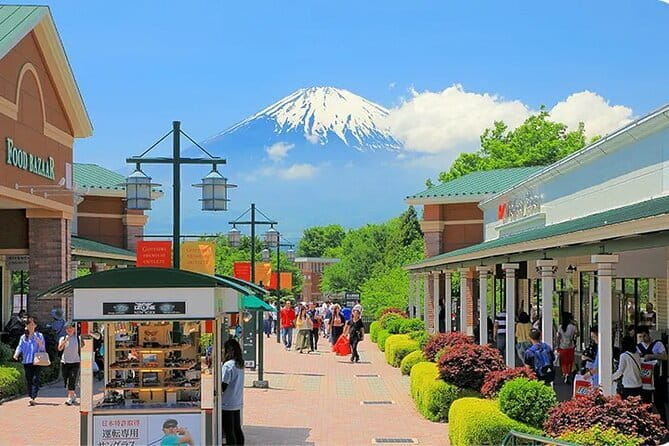
- Mt. Fuji access changes by season: The Fifth Station is used from April 26 through November 30. Arakurayama Sengen Park replaces it from December 1 through April 25.
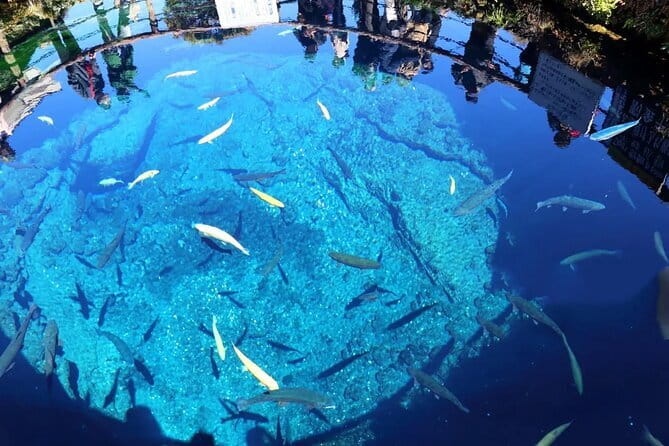
- Oshino Hakkai offers eight spring-fed ponds: The clear water comes from snowmelt filtering down from Mt. Fuji.
- Gotemba gives you a choice: Use two hours for outlet shopping, relaxation, or a nearby hot-spring option when the schedule allows.
- The guide can shape the day: English, Chinese, Japanese, and Korean support is available, and guides such as Anna Lau and Leo have received especially warm praise.
- The view is never guaranteed: Mt. Fuji can disappear behind cloud cover, even when the rest of the day is pleasant.
- The price is $79.50 per person: That is fair for a full-day group outing with transport, but meals, drinks, and personal spending are extra.
A practical Mt. Fuji day from Tokyo
This tour works best for you if you want to see Mt. Fuji without arranging several separate train and bus connections. The driver handles the long return to Tokyo, while the guide helps keep a large group moving between the stops.
The advertised duration is about eight to nine hours, including travel. That matters. You are not getting eight hours of sightseeing. Much of the day is spent on the road between Tokyo and the Fuji area, and traffic can change the balance. On a clear, light-traffic day, the route can feel well paced. On a holiday or a congested weekend, the two-hour shopping stop may feel shorter.
The group can reach 48 people, so expect a coach-style day rather than a small private outing. That keeps the $79.50 price reasonable, but it also means you need to return to the vehicle on time. Late arrivals and no-shows are not refundable.
More Hot Spring Day Trips in Japan
- [Seasonal Limited] Mt. Fuji 5th Station &Hot Spring Day Tour
★ 4.5 · 53 reviews - Full Day Hiking Tour at Mt.Takao including Hot Spring
★ 5.0 · 52 reviews - Mt. Fuji 5th, Oshino Hakkai, Onsen Full-Day Trip From Tokyo
★ 4.5 · 50 reviews
Choosing between the Fifth Station and Arakurayama
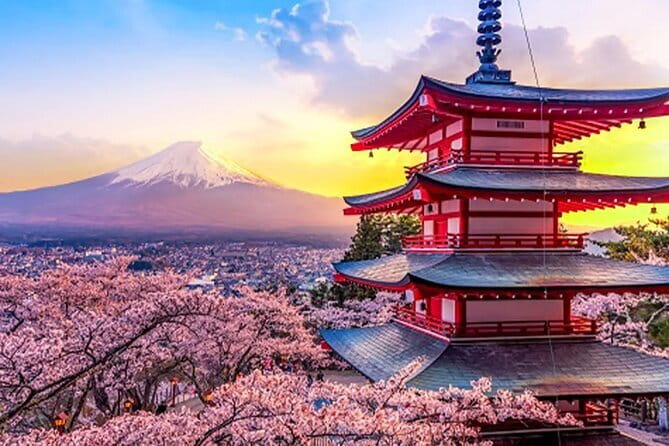
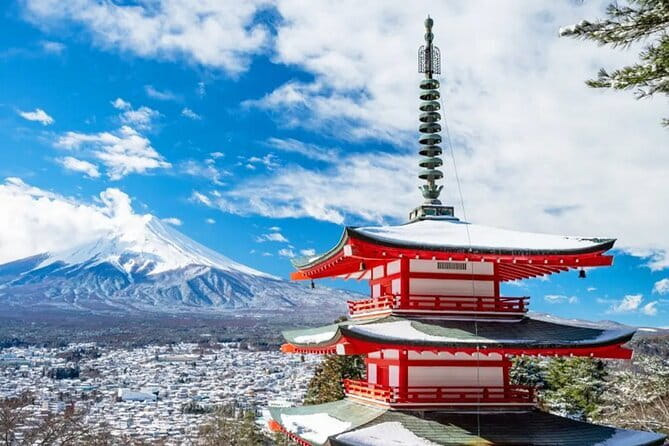
The first major Fuji stop depends on the calendar, not on personal choice. From April 26 through November 30, the tour goes to Mt. Fuji’s Fifth Station. From December 1 through April 25, it goes to Arakurayama Sengen Park.
At the Fifth Station, you reach a high viewing area on the mountain rather than the summit. You can look across the surrounding area, visit nearby shrines, and get a sense of the cultural role Mt. Fuji plays in Japan. The stop lasts about one hour, so think of it as a scenic introduction and photo break, not a mountain walk.
The Fifth Station can be the more direct choice if you want to say you have physically gone up Mt. Fuji. Still, the mountain view from this elevation can vary with clouds and weather. A clear day gives you the best chance of seeing the volcano and the surrounding countryside, but no tour can promise that sight.
In winter and early spring, the route changes to Arakurayama Sengen Park. This is the famous viewpoint associated with the pagoda, cherry blossoms, and Mt. Fuji views. The blossoms are a spring feature, so you should not expect them throughout the full December 1 to April 25 period.
The park stop is self-guided and lasts about an hour. It can be visually rewarding, but the visit is short. You will need to spend your time sensibly, especially if the path is busy or the weather slows your walk. The tour is designed to give you a view, not a long park visit.
The seasonal swap is sensible. It avoids sending the coach toward a higher mountain area at the colder end of the year, and it gives the winter schedule a strong Fuji photo location. Just check the date carefully before booking so you know which version of the day you are buying.
Oshino Hakkai and its eight clear ponds
Oshino Hakkai is the most distinctive stop on the route. This small village is known for eight spring-water ponds, fed by snowmelt from Mt. Fuji. The water filters through the mountain before emerging clear and cold, creating pools that contrast nicely with the surrounding rural setting.
You have about one hour here. That gives you time to walk around, look at the water, take photographs, and enjoy the village atmosphere. It is a compact stop, so you do not need a long hike to see the main features.
This is also a useful cultural pause between the major viewpoints and the shopping center. Mt. Fuji can feel like a distant postcard from a high lookout. At Oshino Hakkai, the mountain’s snowmelt becomes something you can see in a pond. That small detail gives the area a stronger sense of place.
The one-hour limit is the catch. You may want more time if you like browsing village shops or taking photographs. Large-group timing also means you should keep an eye on the departure instructions. A late return here can reduce your time at Gotemba.
Two hours at Gotemba Premium Outlets
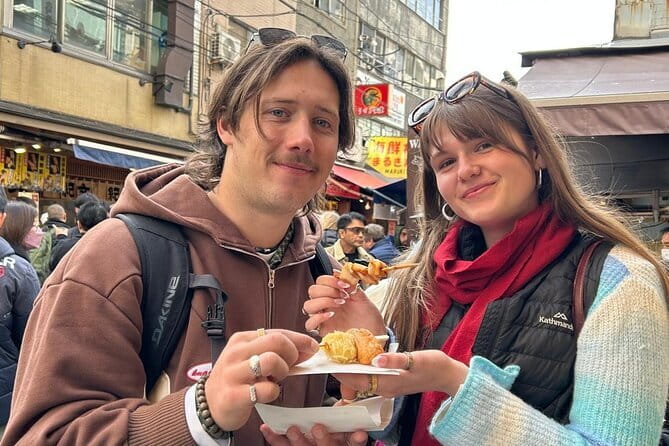
Gotemba Premium Outlets is the longest scheduled stop, with about two hours for a self-guided visit. It is one of Japan’s largest outlet shopping destinations, so this is a practical place to buy clothing, sportswear, household items, or gifts if you already have brands in mind.
You should not treat the stop as a guaranteed bargain hunt. Two hours can disappear quickly in a large outlet center, especially if you are traveling with family or want to compare prices. If shopping is not your priority, the schedule also allows for relaxation options, including a nearby hot spring when conditions and timing permit.
The hot-spring element is attractive after a day on the road. A soak can turn a standard shopping stop into a more restful finish. Still, check what is included before you count on it. Meals, drinks, and personal expenses are not included, and the supplied details do not state that hot-spring admission is covered.
The outlet closes once a year on the third Thursday of February, along with its regular holiday schedule. On that closure day, the alternative is sightseeing at Lake Yamanaka or Lake Yamanaka Onsen. That gives the tour a sensible backup, but it also means the day will not match the usual shopping-focused version.
More Hot Spring Day Trips in Tokyo
- Full Day Tour at Mt. Fuji, Onsen, Lake Kawaguchi and Yamanaka
★ 4.0 · 24 reviews - Tokyo: Mt Fuji Lake Kawaguchi & Yamanaka Hot Spring Day Tour
★ 4.0 · 14 reviews - Mt. Fuji 5th Station, Oshino Hakkai and Hot Spring Day Trip
★ 3.5 · 13 reviews - Mt. Fuji Skiing Experience- YETI Ski Resort & Onsen Day Trip
★ 4.2 · 8 reviews
Why the guide matters on a large group tour
A multilingual guide is included, with English, Chinese, Japanese, and Korean support. On a group this large, the guide’s practical job is important: explain the meeting points, keep the schedule moving, and help you understand what you are seeing without turning every stop into a formal lecture.
The named guides connected with especially positive experiences include Anna, Anna Lau, and Leo. Anna was described as pleasant and good at keeping the day moving. Anna Lau was noted for switching between English, Mandarin, and Cantonese, along with adding stories and historical details. Leo was praised alongside the driver, particularly on a day when the guide helped make the trip enjoyable despite holiday traffic and time pressure.
You should still expect the quality of the day to depend on traffic, weather, and the guide assigned to your departure. The presence of multilingual support is useful, but language availability can vary by guide. If you need help in a specific language, confirm it at booking rather than assuming every guide speaks all four.
The Fuji view is the great variable

Mt. Fuji sightseeing comes with a built-in gamble: clouds. The mountain can be hidden for much of the day, then appear for a few minutes, or remain invisible from one stop while showing itself later. A clear forecast helps, but weather in the mountain area can shift.
This is the biggest difference between a good day and a memorable one. When the volcano is fully visible, the Fifth Station or Arakurayama viewpoint can provide the kind of broad view that makes the long ride worthwhile. When clouds cover the peak, you still have Oshino Hakkai and Gotemba, but the tour loses its central visual reward.
The operator requires good weather for the activity. If poor weather forces cancellation, you are offered another date or a full refund. Weather can also cause attractions to be skipped during the day, so keep your expectations flexible.
I would not book this tour only for one perfect Fuji photograph. Book it if you would still value the village ponds, the seasonal cultural stop, and an easy ride through the region even if the mountain hides.
Is $79.50 good value?
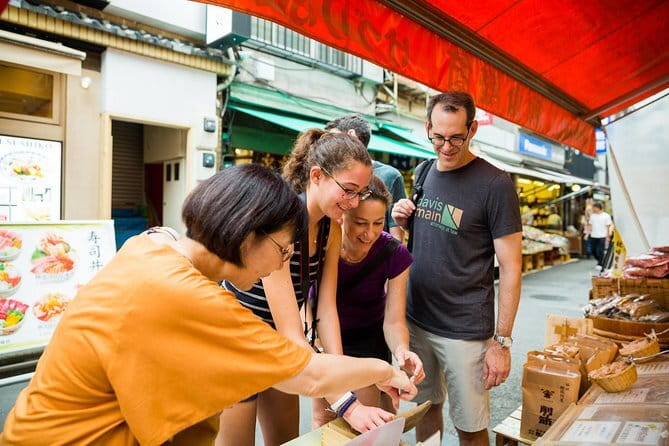
At $79.50 per person, the tour offers a reasonable way to cover several Fuji-area sights in one day. You get the vehicle, driver, guide support, and a structured route from Tokyo. Arranging the same combination independently would require more planning and would expose you to regional transport connections.
The value is strongest for first-time visitors, families, and anyone who does not want to drive. It is also useful if your Tokyo stay is short and you want a quick look at the mountain area without spending a night outside the city.
The price does not cover meals, drinks, shopping, hot-spring admission, or other personal costs. You should budget for food and any purchases at Gotemba. Since the schedule is shared with a large group, you are paying for convenience and coverage rather than private attention.
A private tour would give you more control over timing, but it would cost much more. A self-guided trip might offer more freedom, but the savings are not guaranteed once you add regional transport and the value of a driver handling the return.
Who will enjoy this day most?
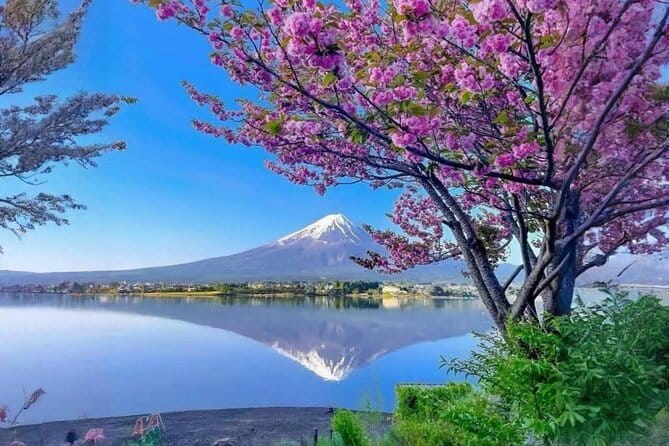
This tour suits you if you want a low-planning Fuji outing from Tokyo. You can see several different sides of the area without changing hotels or learning a complicated route.
It is a good match for:
- First-time visitors to Japan who want a broad introduction to Mt. Fuji
- Families who prefer a vehicle over several train and bus changes
- Shoppers who want time at Gotemba Premium Outlets
- Visitors interested in Japanese shrines, spring water, and scenic viewpoints
- People who would enjoy a hot spring if the schedule permits
- Anyone comfortable with a full day and a group of up to 48 people
It may not suit you if you want a long hike, extensive time at one viewpoint, or a quiet private experience. The scheduled stops are short, and road traffic can affect the day. The tour also does not provide child seats, so families with young children need to consider that before booking.
The experience is wheelchair and stroller accessible, which makes it easier for many visitors to take part. Even so, the exact ease of each stop can depend on crowding, weather, and any temporary changes to the route.
Booking, cancellations, and timing
You receive confirmation when you book. The experience is near public transportation, and most people can participate.
Free cancellation is available up to 24 hours before the local start time for a full refund. Changes made within 24 hours are not accepted, and late arrivals or no-shows receive no refund. Give yourself extra time to reach the meeting point, since the coach cannot hold the entire group for one delayed person.
The schedule may change because of traffic or weather. Some attractions may be skipped because of capacity or conditions. That flexibility is normal for a Fuji-area day trip, where mountain weather and Tokyo-region traffic can quickly rewrite the timetable.
Should you book the Mt. Fuji and Oshino Hakkai day tour?
Book it if you want a practical first look at Mt. Fuji, prefer having a driver, and like the idea of combining scenery with Oshino Hakkai and Gotemba. The seasonal switch gives you either the Fifth Station or Arakurayama Sengen Park, while the guide support adds useful structure.
Skip it if your priority is a private schedule, a serious mountain walk, or guaranteed time at a hot spring. The Fuji view is weather-dependent, the coach may carry up to 48 people, and eight to nine hours leaves limited time at each stop.
For most first-time visitors with one free day in Tokyo, the $79.50 price is a sensible trade for convenience. Just choose a date with a favorable forecast, arrive early, and treat the mountain view as a gift rather than a promise.
FAQ
How long does the Mt. Fuji day tour last?
The tour lasts approximately eight to nine hours, including travel time.
How much does the tour cost?
The listed price is $79.50 per person.
Which Mt. Fuji viewpoint does the tour visit?
From April 26 through November 30, the tour visits Mt. Fuji’s Fifth Station. From December 1 through April 25, it visits Arakurayama Sengen Park.
How long is the first Fuji-area stop?
The first stop is scheduled for about one hour and is self-guided.
What is special about Oshino Hakkai?
Oshino Hakkai has eight clear spring-water ponds fed by snowmelt from Mt. Fuji.
How long do you spend at Oshino Hakkai?
The scheduled visit to Oshino Hakkai lasts about one hour.
How long is the Gotemba Premium Outlets stop?
You have about two hours for a self-guided visit at Gotemba Premium Outlets.
Is a hot spring included?
The schedule offers shopping, relaxation, and a nearby hot-spring option depending on timing. Meals, drinks, and personal expenses are not included, and the supplied details do not confirm that hot-spring admission is covered.
Is the tour accessible for wheelchairs and strollers?
Yes. The experience is described as wheelchair and stroller accessible.
Are child seats available?
No. Child seats are not available.
What languages are supported?
Guide support is available in English, Chinese, Japanese, and Korean. The assigned guide may determine which languages are spoken during your departure.
How many people can join the tour?
The maximum group size is 48 people.
Can I cancel for a full refund?
Yes, if you cancel at least 24 hours before the local start time. Cancellations within 24 hours, late arrivals, and no-shows are not refundable.
What happens if bad weather cancels the tour?
You will be offered a different date or a full refund if poor weather causes the activity to be canceled.
Freshly added soaks in Tokyo
- Japanese Head Onsen and Scalp Massage Retreat in Tokyo★ 4.5 · 2 reviews
- Tokyo Local Tattoo Friendly Public Bath Experience★ 5.0 · 4 reviews
- Mt. Fuji to Lake Kawaguchi, Lake Yamanaka and Onsen Day Tour★ 4.5 · 3 reviews
- Tattoo-friendly open-air Onsen & drink★ 5.0 · 25 reviews
- Mt. Fuji Tours to Lake Kawaguchi and Yamanaka Onsen English Guide★ 4.5 · 4 reviews
- Mt FUJI – Panoramic Tour w/ Hoto Lunch, JP Sake & Onsen tatto OK!★ 5.0 · 9 reviews
- Onsen Spa in Tokyo and Asakusa Bar Hopping with Local Guide★ 5.0 · 3 reviews
- Private Tour to Snow Monkey, Zenkoji Temple & Hot Springs Nagano★ 4.0 · 2 reviews
Hot Spring Day Trips, compared.
Krakow to Zakopane: Funicular, Tasting and Thermal Baths Day Trip
Read our review →
Zakopane Snowmobiles, Bonfire & Hot Springs Day Tour
Read our review →
Golden Circle Day Tour with optional Blue Lagoon
Read our review →