
REVIEW · INDONESIA HOT SPRINGS
Explore Mount Rinjani To Summit, Lake & Hot Spring (3D 2N)
Mount Rinjani gives you three very different mountain days: a hard summit push, a long descent to the crater lake and hot springs, and a final climb out to Senaru. The payoff is the sunrise from the summit, followed by huge views across Lombok and the volcanic crater.
I like the way this package includes porters, tents, sleeping gear, meals, and drinking water, so you are not carrying the whole camp uphill. I also like the practical touches, including a medical check and clear briefing, plus the chance to store luggage at the Dhyns Rinjani Hiking office.
The catch is simple: this is not a gentle scenic walk. The final summit climb is steep and tiring, and the full route suits people with good fitness and previous mountain experience. You must also bring or arrange several important items yourself, including a headlamp, suitable shoes, rain protection, and warm layers.
Key points before you book
- Summit sunrise: You climb toward the summit after camping near the crater, aiming to reach the top for sunrise.
- Crater lake and hot springs: The route drops sharply to the lake for lunch, with a short stop at the hot springs.
- Three days of serious walking: The schedule includes steep ascents, long descents, and another climb to a crater camp.
- Porter-supported camping: Porters carry cooking equipment and camping supplies, while you carry your personal day pack.
- Strong guide support: Guides including Ali, Deni, Lim, Wan, and Adi are associated with this route, with patience and medical preparation receiving particular praise.
- $180 value: The price includes food, water, tents, sleeping equipment, guide service, and porters, but excludes the mountain entrance fee and several personal items.
The Mount Rinjani route in plain terms
This 3-day, 2-night program is built around the full summit, lake, and hot spring circuit. You begin at the Dhyns Rinjani Hiking office in Senaru, in North Lombok, although the supplied trip details and past arrangements also refer to a Sembalun approach. Confirm your exact starting trailhead before you travel, since that affects the first day and transport plans.
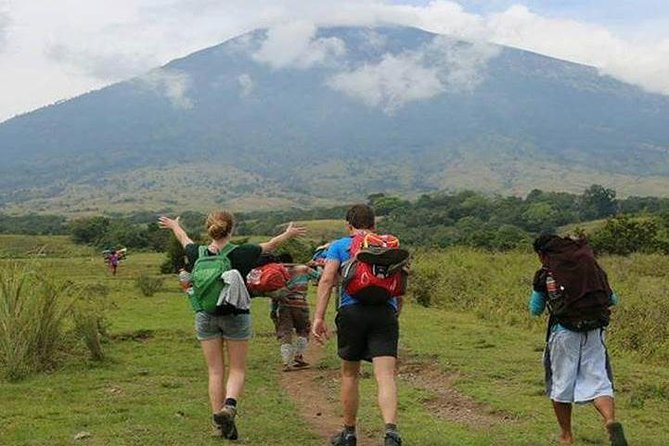
The basic rhythm is demanding. You climb to the crater area, camp, and prepare for a night or very early morning push toward the summit. After sunrise, you descend to the crater lake, eat lunch, and stop briefly at the hot springs. You then climb back up to the opposite side of the crater for sunset before making the long descent to Senaru the next morning.
That route gives you more than a summit badge. You see the mountain from changing angles, experience the scale of the crater, and spend time beside the lake rather than simply walking up and back down. The price of that variety is considerable physical strain.
More Three-Day Trips in Indonesia:
- Mount Rinjani 3D2N Private Trek – Summit, Crater Rim & Hot Spring
★ 5.0 · 13 reviews - 2 Nights and 3 Days of Lava and Hot Spring Tour in Danakil
★ 5.0 · 2 reviews
Day one: climbing toward the crater
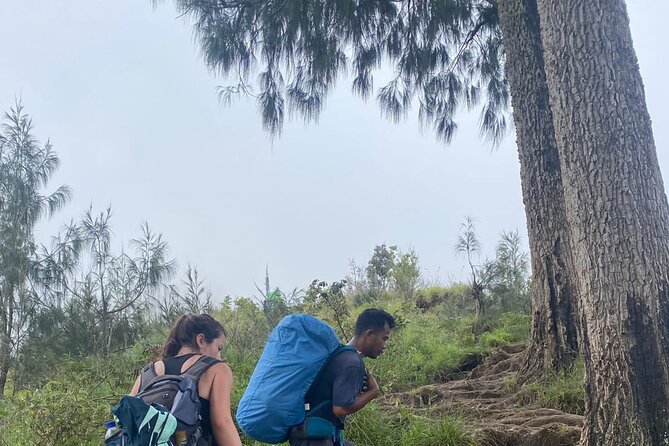
Your first day is about gaining height and settling into mountain life. The exact walking hours are not specified, so you should ask for the planned start time, trailhead, and expected camp location before departure. The route is not presented as a beginner hike, and you should expect a serious uphill day rather than a relaxed introduction.
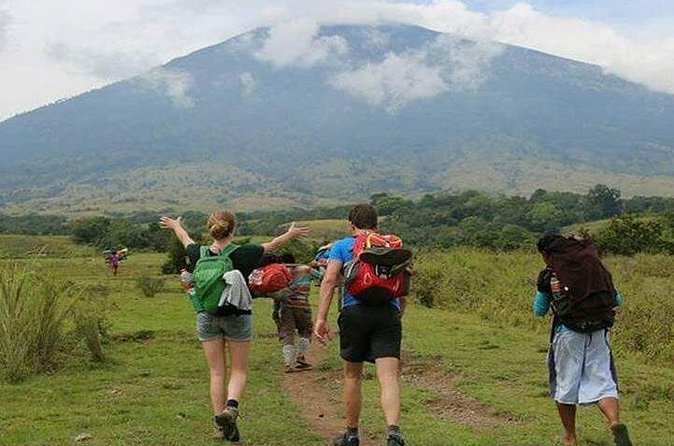
The guide handles the pace and the porters carry the cooking gear and camping equipment. That arrangement matters. You still carry your clothes, water, camera, and other personal items, but you are not hauling tents, stoves, food supplies, and bedding.
Camping equipment supplied includes a tent, toilet tent and paper, sleeping bag, mattress, pillow, and chair. These details make the first night more manageable, especially after a long climb. You should still pack carefully, since sleeping outdoors on a mountain is a basic setup, not a hotel stay.
The first evening is also when the trip’s communal side becomes clear. Food is cooked on the trail, and the guide team handles the camp routine. Meals have earned unusually strong praise, with a range of dishes prepared during the trek rather than one repetitive plate each day.
If your guide is Deni, Lim, Wan, Adi, Ali, Dadung, or Sli, the exact personality of the trip will vary. What matters more is that you communicate early about your fitness, past climbs, and any health concern. The company has been praised for arranging an experienced guide for people who explained that they were first-time hikers, but the route itself remains physically hard.
The crater camp and the summit attempt
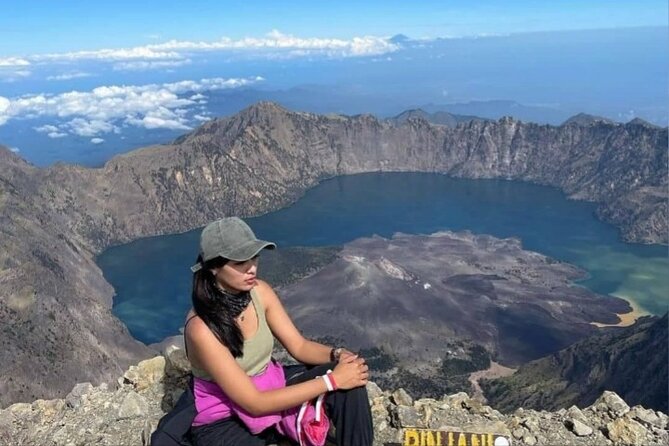
The summit section is the defining part of the trip. You continue climbing after camping near the crater, aiming for sunrise at the top. The darkness, cold, loose footing, and steep slope can make this much harder than the distance suggests.
A headlamp is not included, and you need one. A phone light is a poor substitute when you need both hands for balance or when the trail becomes rough. Warm clothing also matters. The supplied information specifically excludes gloves, long pants, rain protection, and trekking shoes, so do not assume the package provides mountain clothing.
The summit climb rewards steady pacing rather than speed. You should save energy, follow your guide’s instructions, and accept that progress may feel slow. A strong medical check and briefing before the hike are useful here, but they do not remove the need for your own preparation.
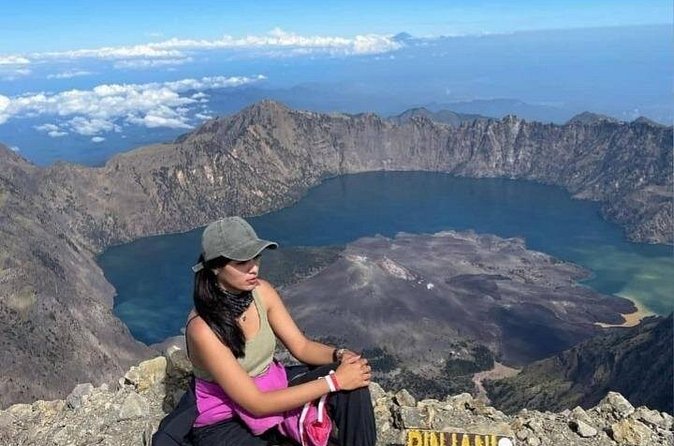
At the top, the attraction is the wide view from Mount Rinjani’s summit at sunrise. You can expect a memorable panorama, but do not treat the summit as guaranteed. Weather, trail conditions, and your own condition all matter. The cancellation terms allow a different date or full refund if poor weather forces the operator to cancel, but that is separate from whether you personally can complete the climb.
Descending to the crater lake
After the summit, the route changes character. Instead of climbing toward a high point, you descend to the crater lake for lunch. This section can be physically awkward because a hard descent places strain on knees and thighs, especially after the summit attempt.
The crater lake is the visual centerpiece of the middle day. It gives you time to stop and take in the volcanic setting, rather than rushing from one viewpoint to another. The mountain feels much larger from down beside the water, and the contrast between the high summit and the low lake makes the route worthwhile.
Lunch is provided, as are food and drinking water throughout the trek. The allowance is 3 liters of mineral water per person per day. That is a useful inclusion, but you should still confirm how water is packed and distributed during the walking day. You will need to manage your supply carefully in the heat and during long climbs.
The lake stop is not a rest day. You have already climbed high, and the next part requires another ascent. Treat lunch as a recovery break, not the end of the difficult section.
More Hot Springs and Thermal Baths in Indonesia:
- Bali: Mount Batur Sunrise Guided Hike and Natural Hot Spring
★ 4.8 · 9,284 reviews - Bali/Mount Batur: Private Sunrise Jeep Tour & Hot Spring
★ 4.8 · 3,528 reviews - Mount Batur Sunrise Hike and Natural Hot Spring Option
★ 5.0 · 1,927 reviews - From Ubud: Mount Batur Shared Jeep Sunrise & Hot Spring Tour
★ 4.8 · 1,842 reviews
A short hot spring stop
The hot springs provide a welcome pause after the descent. The schedule allows you to enjoy them for a few minutes, so keep your expectations realistic. This is a brief recovery stop within a demanding route, not a long spa session.
That short soak has practical value. Your legs will have worked hard on the summit and descent, and warm water can make the break feel restorative. You should follow the guide’s timing, since the route still requires a climb to the other side of the crater.
The hot springs also give the day some variety. Without this stop, the middle section would be a long sequence of steep paths, lake views, lunch, and another climb. Even a brief pause changes the rhythm.
Sunset from the opposite crater side
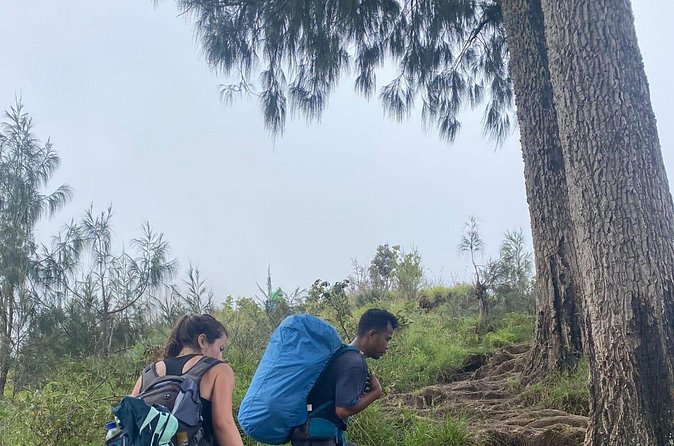
After lunch and the hot springs, you climb again toward the opposite side of the crater. This is the part many people underestimate. The summit is already behind you, but the day is not finished, and the second ascent can feel tough on tired legs.
The reward is a sunset camp with a different view of the crater and lake. You see the setting from a new angle, which is one reason this 3-day route offers more than a simple summit itinerary. You are not just checking off the highest point and leaving.
Your guide and porters set up the camp, prepare food, and organize the night. The included chair, mattress, pillow, sleeping bag, and toilet tent make the camp more practical, though you should still expect basic mountain conditions.
This is also when sensible packing pays off. Keep dry clothes accessible, protect electronics from rain, and carry layers where you can reach them without unpacking everything. Rain jackets and warm clothing are not included, and mountain weather can change quickly enough to make those items essential.
The final 4 to 5 hours down to Senaru
The last morning includes roughly 4 to 5 hours of descent to Senaru. That may sound easier than the ascent, but long downhill walking can be punishing after two demanding days.
Good shoes are important, and trekking shoes are not included. You also need to manage your knees and footing. Short, controlled steps are often more useful than rushing downhill, especially when you are tired.
The activity ends back at the meeting point. Pickup before the trek and transfers afterward are not included, so you need to arrange those separately. A night in Senaru before the hike is also excluded, which is worth budgeting for if your schedule requires an early start or if you want to avoid arriving tired.
The trip includes luggage storage at the Dhyns Rinjani Hiking office. That is a useful service because you can leave larger bags behind and hike with only what you need. Ask about the storage arrangement when you confirm your booking.
Sendang Gile and Tiu Kelep Waterfalls
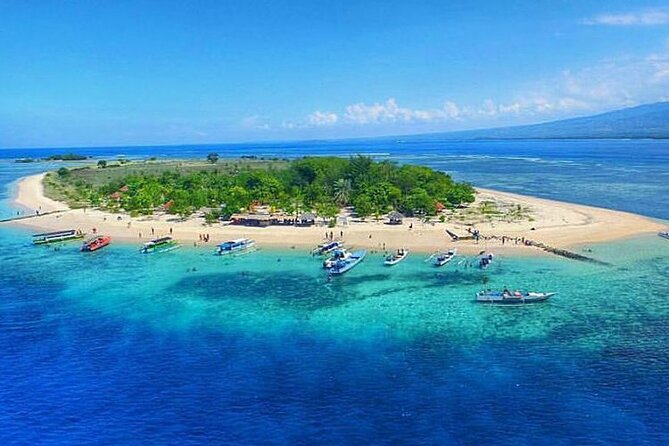
Sendang Gile and Tiu Kelep Waterfall appear in the activity details, but the supplied schedule does not explain exactly where they fit into the 3-day summit program. Ask whether these waterfalls are included in your specific departure, offered before or after the trek, or connected to the Senaru meeting point.
If they are part of your arrangement, they add a gentler nature stop to an otherwise strenuous mountain itinerary. Do not assume they replace any portion of the summit route unless the operator confirms it. Clear timing matters here, especially because transport before and after the trek is not included.
What the $180 price really covers
At $180 per person, the package has solid value for a supported three-day mountain trek. You receive an English-speaking guide, trekking porters for cooking and camping equipment, food, 3 liters of water per day, tents, sleeping bags, mattresses, pillows, chairs, and toilet facilities.
That list covers the expensive and awkward parts of a camping trek. You are paying for people to prepare meals, carry shared gear, establish camp, and guide you through a demanding route. The all-inclusive structure is especially helpful if you do not own camping equipment.
The price is not the final budget, however. You must add the Mount Rinjani entrance fee of IDR 610,000 per person. You also need to account for trekking shoes, a headlamp, rain jacket, long pants, gloves, personal luggage porter service if desired, tips, accommodation in Senaru, and transport before and after the trek.
Group discounts are available, and this is described as a private activity for your own group. That means you should ask how the discount is calculated and how many people can join your booking. A private arrangement may give you more control over pacing, but the supplied details do not promise a particular group size or a custom schedule.
Food, equipment, and guide support
Food is one of the strongest parts of the package. Meals are cooked during the trek, and the menu may include several different dishes across the trip. That matters when you are burning energy for hours each day.
The guide team also appears to take preparation seriously. A clear briefing and medical check before the hike can help identify problems early and make sure you understand the route. Guides such as Wan and Deni have been praised for patience, while Lim, Adi, Ali, Dadung, and Sli are also named in connection with well-run trips.
You should still be honest about your ability. The company may help, but a patient guide cannot turn an unsuitable trek into an easy one. If you have only done short walks, this route may be too ambitious.
An extra porter for your personal luggage is available at additional cost. I consider that worth asking about if you have a heavy bag, though your own day pack should remain light either way. Porter service does not mean you can ignore proper clothing or hydration.
Who should book this Rinjani trek?
I would recommend this route to you if you have previous mountain experience, can handle long uphill and downhill sections, and want the summit, lake, hot springs, and sunset camp in one trip.
It also suits you if you value practical support more than luxury. The included gear and porters reduce the amount you carry, while the cooking team takes care of meals. You still sleep in tents and use a basic toilet tent, so this is not the right choice if you want hotel-level comfort.
I would be cautious if this is your first serious mountain climb. The description specifically calls for good fitness and several previous mountain climbs. Even people who are active in daily life may find the summit push and repeated crater climbs difficult.
Before paying, confirm the exact trailhead, waterfall timing, pickup arrangements, expected start times, porter options, and what happens if the weather changes during the trek. The booking can be canceled for a full refund up to 24 hours before the start time, and poor weather may lead to a new date or refund. Changes made within 24 hours are not accepted.
Should you book it?
Book this trek if your priority is a full Mount Rinjani route with strong logistical support and a fair price. The combination of summit sunrise, crater lake, short hot spring stop, sunset camp, meals, porters, and camping gear gives you a lot for $180.
Skip it if you want a short or gentle walk, dislike basic camping, or lack previous mountain experience. The best decision is to judge the route by its hardest moments, not its prettiest photographs. If you are fit, properly equipped, and ready for two long days around the crater, Dhyns Rinjani Hiking offers a practical way to take on one of Lombok’s biggest climbs.
FAQ
How long is the Mount Rinjani trek?
The trek lasts approximately 3 days and 2 nights.
What route does the trek include?
The program includes a summit attempt, sunrise at the summit, descent to the crater lake, a short hot spring stop, a climb to the opposite side of the crater for sunset, and a final descent to Senaru.
Where does the activity start and end?
The stated meeting point is Dhyns Rinjani Hiking in Senaru, North Lombok. The activity ends back at the meeting point.
Is the trek suitable for beginners?
The program is designed especially for experienced hikers. You should have good fitness and previous mountain climbing experience.
Is food included?
Yes. Food and drinking water are included during the trek, with 3 liters of mineral water per person per day.
What camping equipment is provided?
The package includes a tent, toilet tent and paper, sleeping bag, mattress, pillow, and chair.
Are trekking shoes and a headlamp included?
No. You need to arrange your own trekking shoes and headlamp or hand torch. Rain protection, long pants, and gloves are also not included.
Is the Mount Rinjani entrance fee included?
No. The entrance fee is IDR 610,000 per person.
Can I cancel for a refund?
You can cancel at least 24 hours before the start time for a full refund. If poor weather or an insufficient minimum number of participants causes cancellation, you will be offered another date or a full refund.
Freshly added soaks in Indonesia
- Ubud: Mount Batur Jeep Sunrise, Hot Spring in one day★ 4.6 · 5 reviews
- Volcano, Hot Spring, Mud Bath & Tea plantation all included★ 5.0 · 5 reviews
- Mount Batur Sunset/Sunrise Jeep Tour & Natural Hot Springs★ 5.0 · 5 reviews
- Ubud: mount.batur sunrise jeep with breakfast and hot spring★ 5.0 · 6 reviews
- Sunrise / Sunset Jeep Tour Mt. Batur Kintamani & Hot Spring★ 5.0 · 12 reviews
- Sunrise Trekking / Hike Mount Batur Private & Natural Hot Spring★ 5.0 · 12 reviews
- Mount Batur Sunrise Trek with Natural Hot Spring – All Inclusive★ 5.0 · 3 reviews
- Mount Batur Jeep Sunrise & Natural Hot Spring★ 5.0 · 31 reviews
Indonesia Hot Springs, compared.
Mount Batur Sunrise Guided Hike and Natural Hot Spring
Read our review →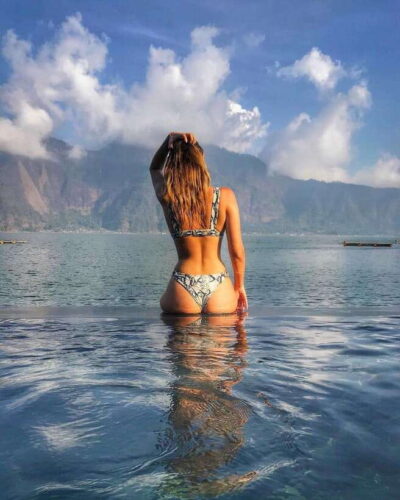
Shared Mount Batur Jeep Sunrise with Hot Springs
Read our review →
Ubud Hot Springs and Waterfall Private Guided Tour
Read our review →
Volcano, Tea/Rice Fields, Hot Spring, Local Food
Read our review →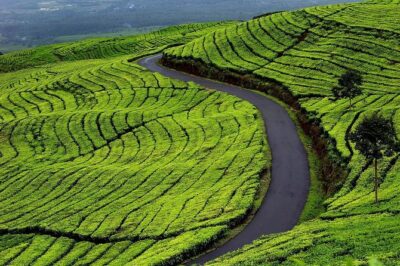
Active Volcano, Rice Field, Hot Spring, Fruit market, Tea Plantation with Lunch
Read our review →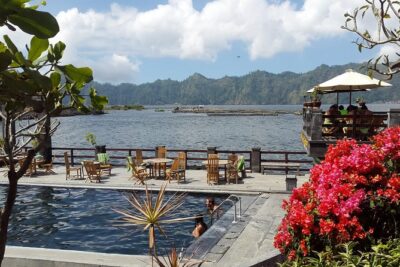
Mt Batur Sunrise, Breakfast & Natural Hot Springs
Read our review →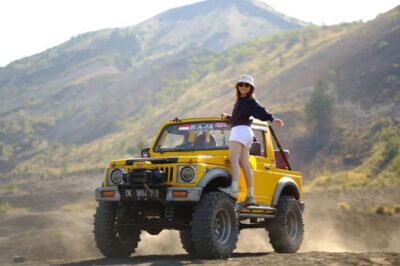
Day/Sunset Mount Batur 4WD Jeep and Natural Hot Spring
Read our review →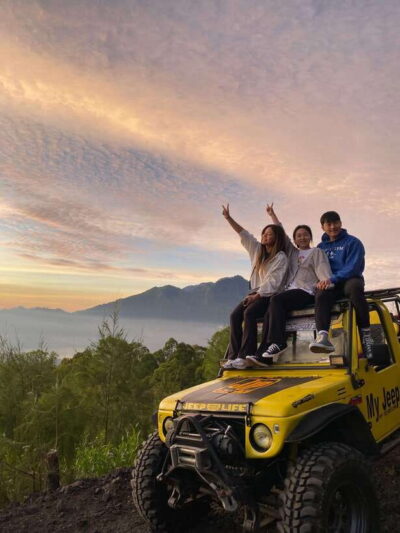
Sunset Mount Batur Jeep and Hot Spring All Inclusive
Read our review →More soaks worth the detour