REVIEW · HOT SPRING DAY TRIPS
Tokyo: Mt Fuji Lake Kawaguchi & Yamanaka Hot Spring Day Tour
Mt. Fuji is the star, but the best part of this day is the variety of views you collect around two different lakes. You get flower fields at Oishi Park, photo stops near Kawaguchiko Station, traditional village scenery at Oshino Hakkai, and a soak near Lake Yamanaka. It is a lot of Fuji in one day, without arranging several separate train and bus connections.
I like the small group of up to nine people, which keeps the vehicle more personal than a big coach. I also like the hot spring stop, since it gives the day a slower finish after the photo stops. The tradeoff is time: this is a tightly packed schedule, and your driver-guide provides basic English rather than detailed explanations at every sight.
Key points at a glance
- Seasonal Fuji scenery: See lavender at Oishi Park in summer, red Kochia in autumn, or the Maple Corridor from about October 30 to November 25.
- Several famous photo angles: Stop at the Lawson near Kawaguchiko Station and walk through the Hikawa Clock Shop area.
- Traditional Oshino Hakkai: Sample regional food, see spring-fed ponds, and take an easy break near Mount Fuji.
- Hot spring with a view: Relax at Benifuji no Yu by Lake Yamanaka, with admission paid separately.
- Small vehicle, long day: Travel in a 10 or 14-seat vehicle, usually a Toyota Hiace or similar, for about 10 hours.
- Mostly self-guided: Your driver handles the route and transport, while you explore each stop on your own.
A Fuji day built around views, not lectures
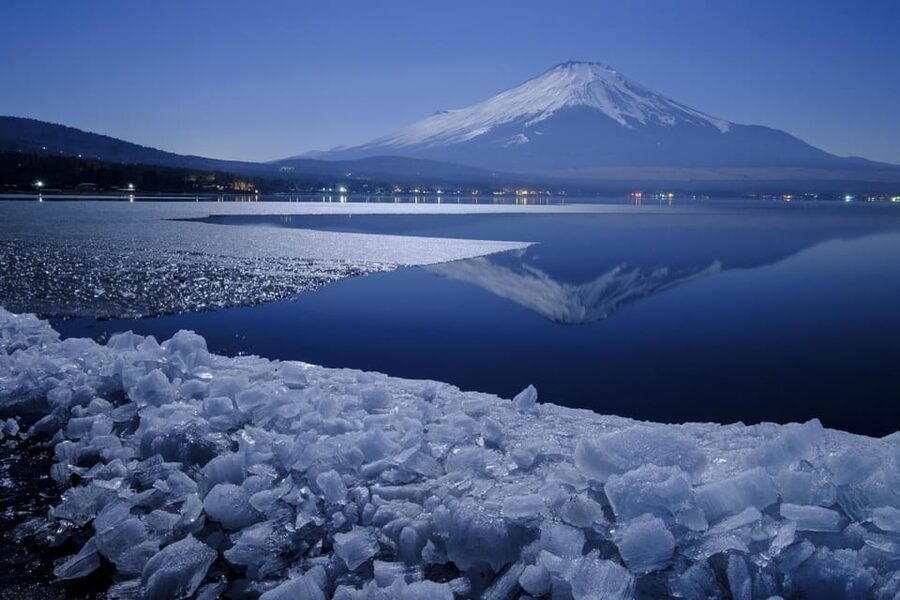
This is a practical way to see the Fuji Five Lakes area from Tokyo when you want photographs more than a formal cultural tour. The route links several places that would be awkward to combine independently in one day, especially the lakeside parks, Oshino Hakkai, and a hot spring at Lake Yamanaka.
The vehicle holds up to nine participants on this small-group option, and round-trip transport, fuel, tolls, and highway fees are included. At $68 per person, the price is strong for a full day of transport around the Fuji area, although you still need to pay for the hot spring and buy your own meals and snacks.
Do not book this expecting a running commentary. The guide can speak basic English, Chinese, or Japanese, but the day is mainly self-guided. That suits you if you enjoy wandering, taking pictures, and keeping your own pace at each stop. It is less suitable if you want detailed explanations about every shrine, village, and view.
More Hot Spring Day Trips in Japan
- [Seasonal Limited] Mt. Fuji 5th Station &Hot Spring Day Tour
★ 4.5 · 53 reviews - Full Day Hiking Tour at Mt.Takao including Hot Spring
★ 5.0 · 52 reviews - Mt. Fuji 5th, Oshino Hakkai, Onsen Full-Day Trip From Tokyo
★ 4.5 · 50 reviews
Leaving Tokyo for the Fuji lakes
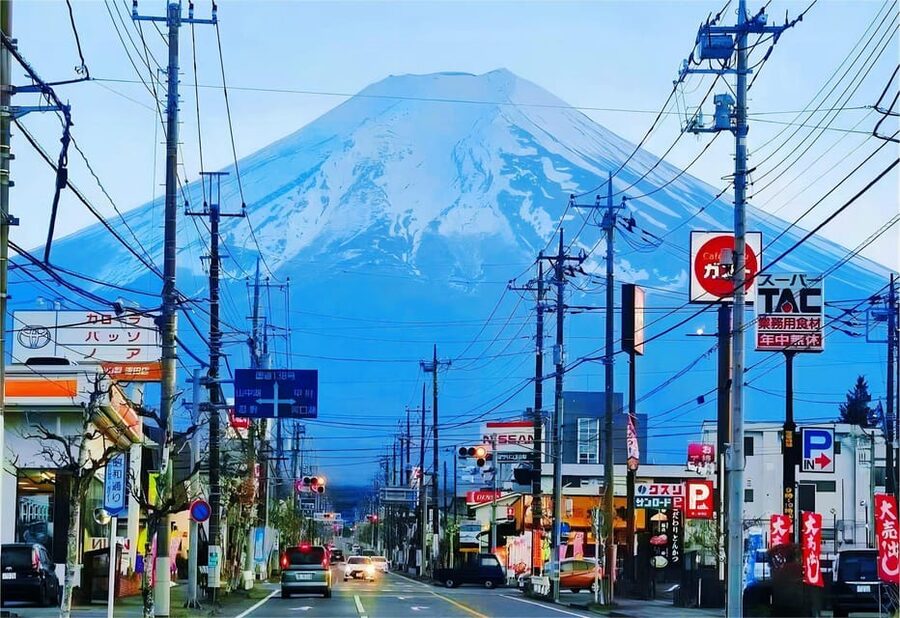
The tour starts at JR Tokyo Station’s Marunouchi North Exit, with hotel pickup available in 12 selected Tokyo districts if you choose that option. The meeting point is at 1-chōme-9-1 Marunouchi, and the guide sends a gathering-point photo through WhatsApp.
You will also receive contact from the guide through WhatsApp or LINE the night before. Install the relevant app before your trip and watch for the message. The vehicle leaves on time, and late arrival or going to the wrong meeting place can mean no refund, even if you contact the guide before departure.
The outward drive takes about two hours, though traffic can change that. Peak-season roads around Mount Fuji can be slow, so do not treat every listed time as fixed. Bring water, wear comfortable shoes, and avoid large luggage because storage space is limited.
Oishi Park and the seasonal Fuji calendar
Oishi Park is one of the day’s main scenic stops, with about 50 minutes for photographs and free time. Its appeal changes with the season, so the timing of your visit matters.
In summer, lavender creates a purple foreground beneath Mount Fuji. The contrast makes this one of the strongest photo stops for color, especially when the mountain is visible. In autumn, Kochia shrubs turn red and give the park a different look.
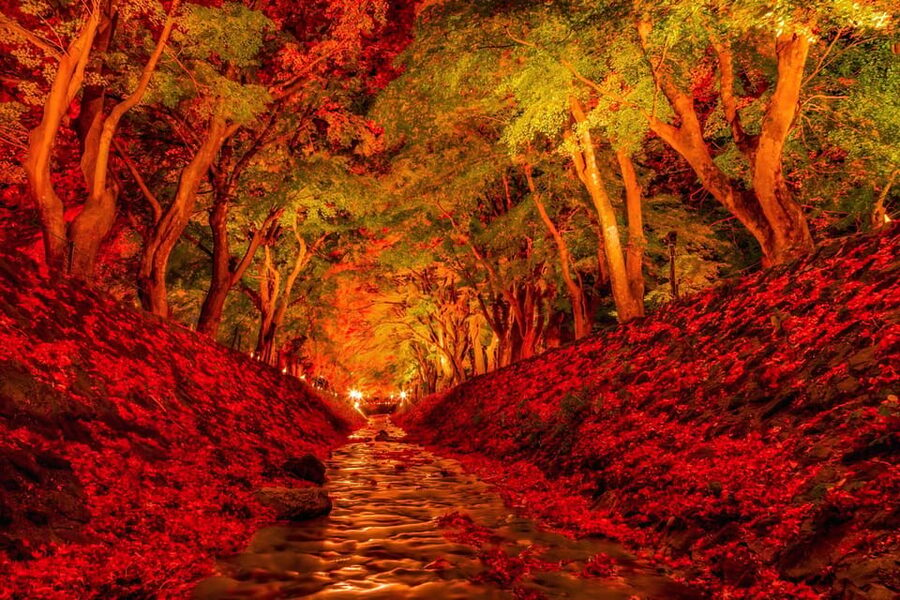
From approximately October 30 through November 25, the route changes to the Kawaguchiko Maple Corridor instead of Oishi Park. This brings you a classic fall scene, with red maple leaves framing snow-capped Fuji. It is a seasonal swap, not an additional stop, so check the expected itinerary when booking.
The main limitation here is visibility. Mount Fuji can disappear behind cloud, and no tour can control that. Still, Oishi Park remains a pleasant lakeside stop even when the summit is shy, while the seasonal plants give you something worthwhile to photograph.
Kawaguchiko Station and the famous Lawson view
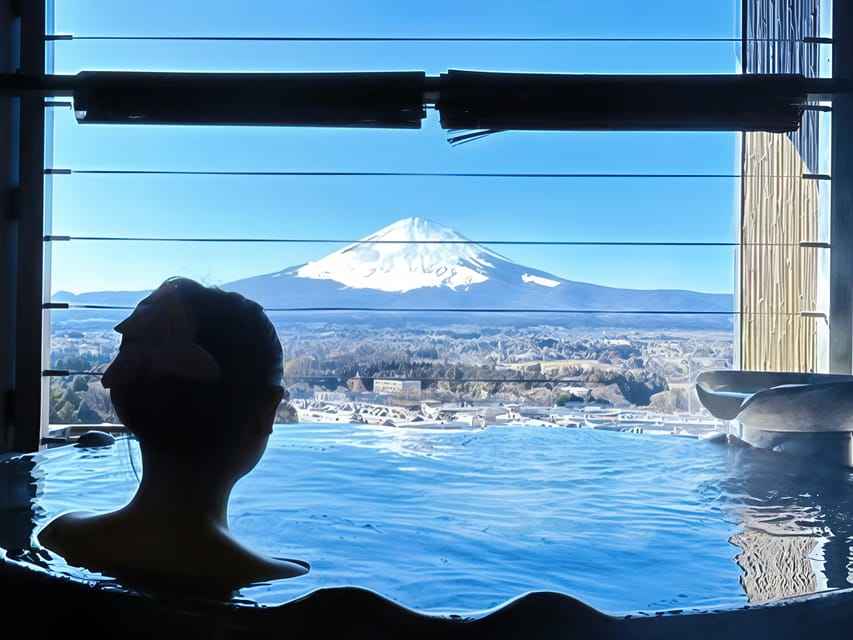
The Lawson Kawaguchiko Station stop lasts about 20 minutes. You can buy local snacks and take the well-known street photograph with Mount Fuji rising behind the convenience store.
This is a quick stop, so think of it as a photo break rather than a shopping excursion. The appeal comes from the ordinary Japanese street scene set against an extraordinary mountain. It is a good example of how this tour mixes everyday places with classic Fuji viewpoints.
Your guide may help with timing and transport, but you should be ready to find your own composition. Since the tour is mainly self-guided, your camera or phone is more important here than a long explanation.
More Hot Spring Day Trips in Tokyo
- Full Day Tour at Mt. Fuji, Onsen, Lake Kawaguchi and Yamanaka
★ 4.0 · 24 reviews - Mt. Fuji 5th Station, Oshino Hakkai and Hot Spring Day Trip
★ 3.5 · 13 reviews - Mt. Fuji Skiing Experience- YETI Ski Resort & Onsen Day Trip
★ 4.2 · 8 reviews - Mount Fuji – Hakone & Onsen Full Day Private Tour
★ 3.8 · 6 reviews
Walking through the Hikawa Clock Shop area
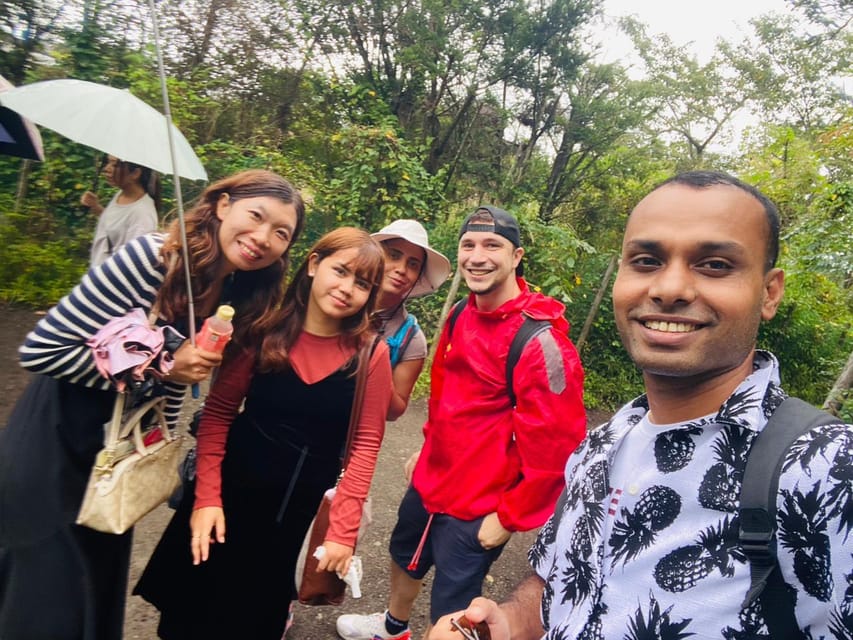
The Hikawa Clock Shop stop gives you about 20 minutes to walk and photograph the street known as Heavenly Town. From this area, Mount Fuji appears at the end of the road, creating a carefully framed view between buildings.
This is another short visit, so you will not have much time for a slow neighborhood walk. I would keep your expectations focused on the street view and photographs. The stop works well after the Lawson visit because the two locations show Fuji in very different settings, one commercial and one residential.
Take care when photographing here and follow the guide’s instructions. The charm comes from an ordinary working street, so respectful behavior matters more than trying to force a perfect picture.
Oshino Hakkai and a real lunch break
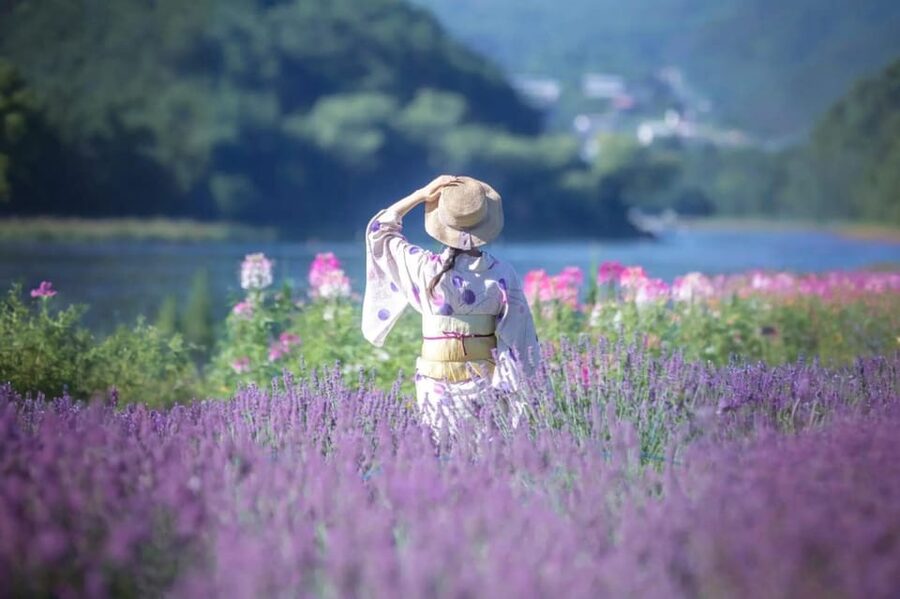
Oshino Hakkai receives about 80 minutes, making it one of the more relaxed stops. This traditional village is known for spring-fed ponds and clear water from Mount Fuji. You can walk, look at the ponds, buy regional food, and stop for lunch.
This is the day’s strongest place for a sense of local tradition, though you will still explore without a detailed guided talk. The clear spring water and quiet setting offer a break from the repeated roadside photo stops. If you want to buy food, this is the most obvious point in the schedule.
You should budget your time here. Eighty minutes sounds generous, but it includes walking, food, photographs, and any shopping. Since meals are not included, bring some yen and decide whether you want a proper meal or just snacks.
Lake Yamanaka and the Benifuji no Yu hot spring
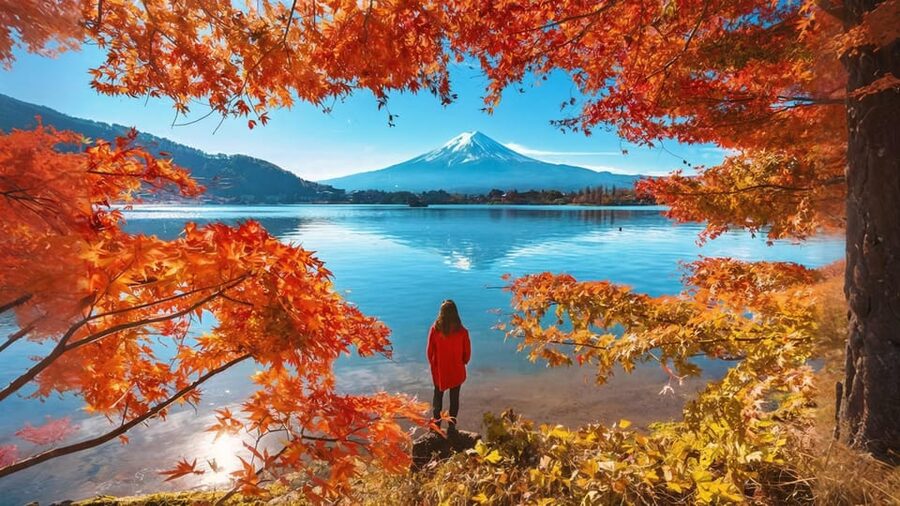
The Lake Yamanaka portion lasts about an hour and a half, followed by about an hour and a half at Yamanakako Onsen Benifuji no Yu. This is where the day slows down.
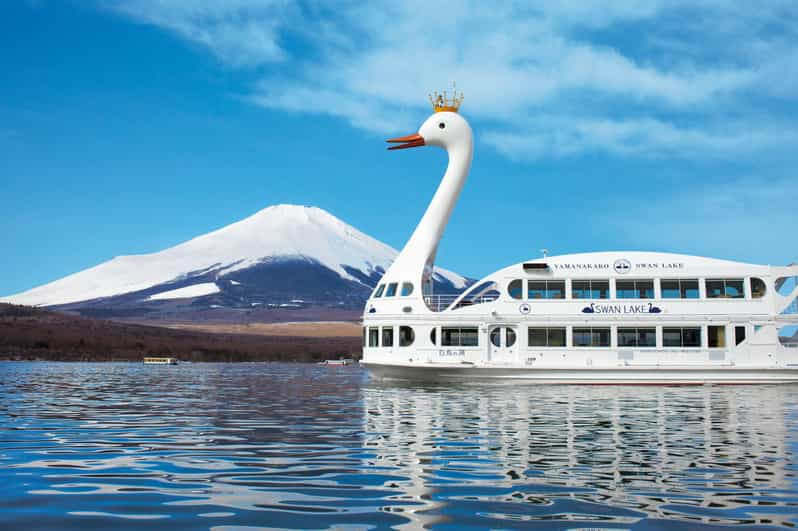
Lake Yamanaka offers open views of Mount Fuji, fresh air, and time for a lakeside walk or photographs. The lake is also a good place for families. Children on this route especially enjoyed feeding swans, according to the supplied experience details, though feeding activities are not formally listed as an included feature, so follow local rules and instructions.
The hot spring is the tour’s most distinctive touch. At Benifuji no Yu, you can bathe while looking toward Mount Fuji, then leave the area refreshed before the drive back to Tokyo. Admission is not included, so carry money for the entry fee.
Japanese hot springs are normally enjoyed without swimwear. Visible tattoos are not permitted at the bath, and tattoos may need to be covered with bandages or handled through a private bath for an additional fee. The general activity rules also list visible tattoos as not allowed, so check your situation before booking.
The hot spring is not a private experience. If you prefer privacy, ask about the additional private-bath option. Also note that one supplied account refers to swimming in the thermal water, but the practical expectation here is a Japanese bath, not a standard swimming pool.
What the transport and guide service really mean
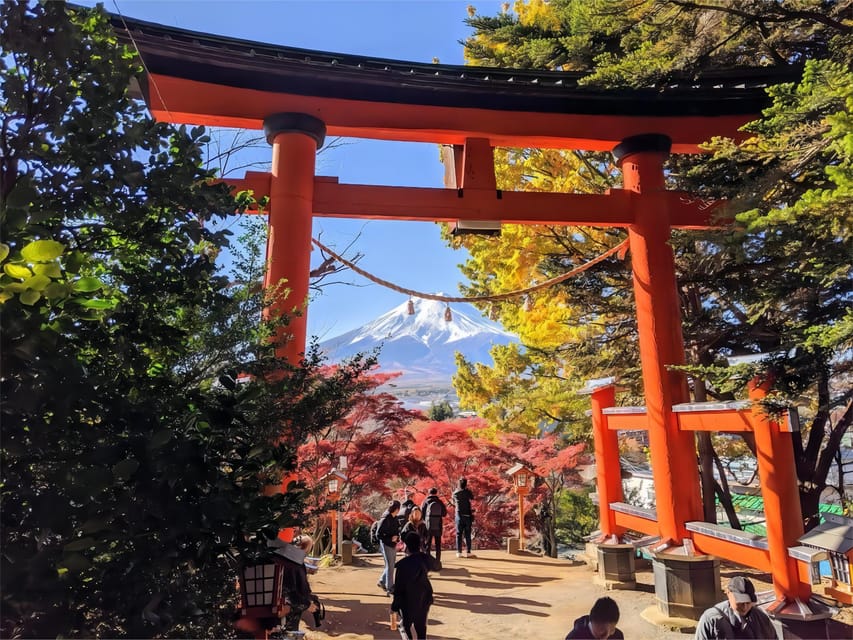
The vehicle is a 10 or 14-seater, usually a Toyota Hiace or similar. With a maximum group size of nine, you avoid the scale of a full sightseeing bus. Hotel pickup can make the morning easier, especially if your accommodation is within the selected districts.
Pickup is not automatic for every Tokyo hotel. The operator confirms your hotel name and address, and if your hotel falls outside the area, you may need to meet at Tokyo Station. A partial refund of 3,200 Japanese yen may apply in that case, but contact the operator before booking if your location is uncertain.
The guide’s main job is driving, timing, and helping the day run smoothly. Basic English is available, but this is not the right choice if you need long historical explanations. Previous guide names supplied for this experience include Jason and Li, but your assigned guide may be different.
The return drive takes about two and a half hours, and the vehicle is due back in Tokyo around 6:30 PM. Drop-off options include Tokyo Station, Chiyoda, Chuo City, Taito City, and Shinjuku City. Hotel drop-off is available if you selected the appropriate pickup option.
Is $68 a good value for this Fuji route?
For $68, you are paying mainly for convenience. The route covers a long distance, includes highway costs and fuel, and combines several Fuji viewpoints with a hot spring stop. Recreating the same day by public transport would require careful planning, multiple connections, and more attention to road and train schedules.
The price does not cover lunch, snacks, or entry to the hot spring. That keeps the base fare low, but you should add those costs when planning your budget. The largest value comes from the transport and the number of locations reached, not from guided interpretation.
I consider it good value for a solo visitor, a couple, or a small family that wants photographs without renting a car. It is also useful for people who have already seen Fuji but want a different angle around Lake Yamanaka. One local participant found the route worthwhile even after living in Japan for years, which makes sense: the lakes, villages, and hot spring create a different day from a standard Tokyo sightseeing plan.
Who should choose this day trip?
You should consider booking if you want:
- A simple Tokyo starting point and optional hotel pickup
- Several Mount Fuji photo locations in one day
- A small vehicle instead of a large coach
- Seasonal flowers or autumn foliage
- A traditional village stop with time for local food
- A hot spring finish near Lake Yamanaka
- A day that suits photographers, families, and solo visitors
You may want another tour if you need extensive historical commentary, a private vehicle, or a slow pace. The schedule has many stops, and the 10-hour day includes long road journeys. People over 80 are specifically listed as not suitable for this activity.
The itinerary also depends heavily on weather, traffic, and seasonal timing. Fuji views are never guaranteed, and peak autumn traffic can alter departure times and stop lengths. I would book it for the range of experiences, not for one guaranteed perfect photograph.
Practical details before you go
Wear shoes that can handle walking at parks, village streets, and lakeside paths. A hat, sunscreen, camera, and water are sensible, especially during warmer months.
Food and drinks are not allowed in the vehicle, and smoking is not permitted. Large bags are discouraged because luggage space is limited. Children under three can join free without occupying a seat.
Free cancellation is available up to 24 hours before departure, and you can reserve now while paying later. Still, the strict departure rule matters more in practice: arrive early at Tokyo Station, confirm the meeting photo, and keep WhatsApp or LINE working.
Should you book it?
Book this tour if you want an efficient, photo-focused Fuji day with a small group and a relaxing hot spring finish. The strongest features are the seasonal scenery, the wide range of viewpoints, and the chance to reach Lake Yamanaka without managing the transport yourself.
Skip it if you want a slow, deeply explained cultural tour or a private itinerary. For most visitors with one free day from Tokyo, though, the $68 price buys a useful combination of scenery, village atmosphere, and bathing time. Just arrive early, pack light, and accept that Mount Fuji sometimes hides behind clouds.
FAQ
How long is the Tokyo Mount Fuji tour?
The experience lasts about 10 hours. It returns to Tokyo at around 6:30 PM, although traffic and seasonal conditions may affect the timing.
Where does the tour depart?
The main meeting point is Tokyo Station Marunouchi North Exit, at 1-chōme-9-1 Marunouchi, Chiyoda City, Tokyo. Hotel pickup is available if you select an eligible pickup option.
Is hotel pickup included?
Hotel pickup and drop-off are included only with the relevant option. Pickup is limited to selected Tokyo districts, so you should confirm your hotel address before booking.
How large is the group?
The small-group option is limited to nine participants. Transport is provided in a 10 or 14-seater vehicle, such as a Toyota Hiace or similar.
Is the tour fully guided in English?
No. The driver-guide can speak basic English, Chinese, or Japanese, but the experience is mainly self-guided. You receive transport and route assistance rather than detailed explanations at every attraction.
Is the hot spring admission included?
No. Admission to Yamanakako Onsen Benifuji no Yu is not included in the tour price.
Can I wear a swimsuit in the hot spring?
Japanese hot springs are typically enjoyed without swimwear. Visible tattoos are generally not permitted, though you may cover tattoos with bandages or ask about a private bath for an additional fee.
What happens during autumn?
From approximately October 30 to November 25, the route visits the Kawaguchiko Maple Corridor instead of Oishi Park. This seasonal stop features red maple leaves and views of snow-capped Mount Fuji.
Can I cancel the booking?
You can cancel up to 24 hours in advance for a full refund. The vehicle departs on time, and late arrivals or reaching the wrong meeting point may not qualify for a refund.
Freshly added soaks in Tokyo
- Japanese Head Onsen and Scalp Massage Retreat in Tokyo★ 4.5 · 2 reviews
- Tokyo Local Tattoo Friendly Public Bath Experience★ 5.0 · 4 reviews
- Mt. Fuji to Lake Kawaguchi, Lake Yamanaka and Onsen Day Tour★ 4.5 · 3 reviews
- Tattoo-friendly open-air Onsen & drink★ 5.0 · 25 reviews
- Mt. Fuji Tours to Lake Kawaguchi and Yamanaka Onsen English Guide★ 4.5 · 4 reviews
- Mt FUJI – Panoramic Tour w/ Hoto Lunch, JP Sake & Onsen tatto OK!★ 5.0 · 9 reviews
- Onsen Spa in Tokyo and Asakusa Bar Hopping with Local Guide★ 5.0 · 3 reviews
- Private Tour to Snow Monkey, Zenkoji Temple & Hot Springs Nagano★ 4.0 · 2 reviews
Hot Spring Day Trips, compared.
Krakow to Zakopane: Funicular, Tasting and Thermal Baths Day Trip
Read our review →
Zakopane Snowmobiles, Bonfire & Hot Springs Day Tour
Read our review →
Golden Circle Day Tour with optional Blue Lagoon
Read our review →