
REVIEW · 2-DAY EXPERIENCES
Tokyo: 2-Day Mt. Fuji, Kamakura and Izu Hot Springs Tour
Mt. Fuji is the headline, but the real appeal is the variety: volcanic valleys, a caldera lake, a traditional hot spring town, a coastal island, and old Kamakura all fit into two days. You get Japan’s famous sights without arranging several separate train trips.
I like the overnight Shuzenji onsen stay with a kaiseki dinner, and I like the route’s mix of nature and history. You also get the Enoshima Electric Railway fare, a small but useful inclusion for a scenic part of the second day.
The catch is pace and consistency. This is a lot of ground by road, and the guide can make or break the experience. Wan was praised as a friendly, excellent driver, but Jason was criticized for limited English and little explanation. Poor weather has also led to major changes, including missed Kamakura stops.
Key points to know before booking
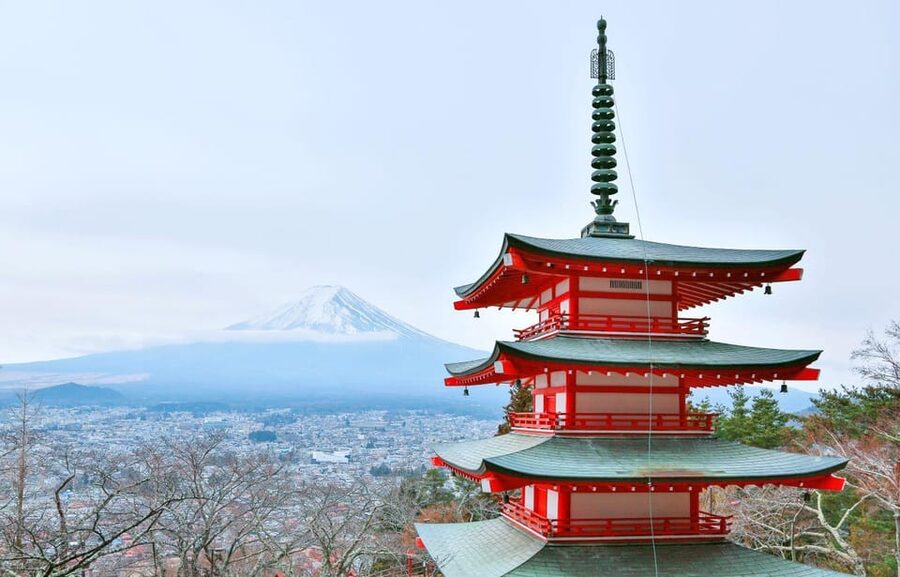
- Mt. Fuji access changes by season: From April 26 to November 30, the tour plans to visit the fifth station. From December 1 to April 25, the replacement is Nishinomiya-yama Shinshu Park.
- The onsen night is the tour’s strongest value: Your package includes one hotel night, hot spring access, dinner, and breakfast.
- Owakudani is an active volcanic area: You can see sulfur fumes and buy black-shelled eggs cooked in the hot spring water.
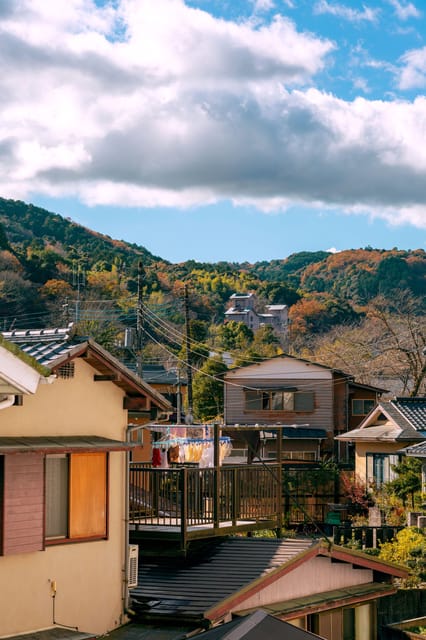
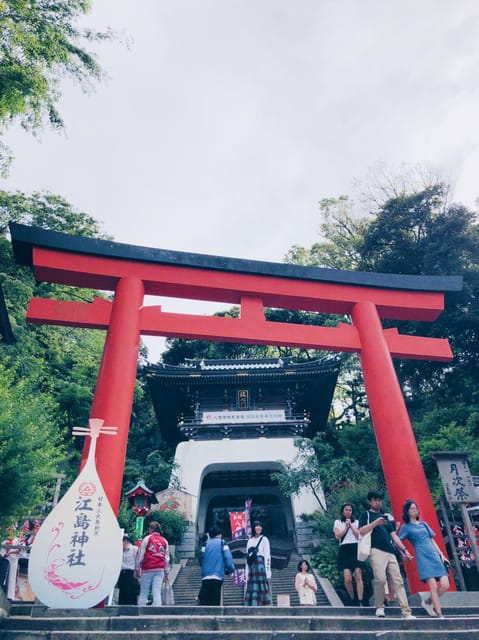
- Day two packs in three different moods: Shuzenji is quiet and traditional, Enoshima is coastal and photogenic, and Kamakura is temple-filled and historic.
- Extra costs matter: Admission tickets, lunch, drinks, and cable cars are not included.
- Weather can change the whole plan: Mt. Fuji visibility, road conditions, and alternate stops are not guaranteed.
A two-day route with a lot of Japan in it
At $295 per person, this is not a bargain-priced day trip, but it covers far more than a standard Mt. Fuji outing. You are paying for two days of transport, a driver-guide, a night in Izu, meals at the hotel, an onsen, and a route that reaches places awkward to combine by public transport.
The tradeoff is time. You will spend many hours in the vehicle, and the bus may feel basic on a long journey. If you prefer slow mornings, long temple visits, or choosing every stop yourself, this tour may feel rushed. If you have only a few days in Tokyo and want to see several major sights beyond the city, the broad reach is useful.
The tour runs with a minimum of two people. Rooms hold two to four people, and a single person in a room must pay a supplement. You can request Chinese, English, or Japanese service, but actual guide ability may vary. That point deserves attention because the trip includes a great deal of sightseeing by road, where clear explanations add real value.
More Two-Day Trips in Tokyo:
- Private 2-Day Tour: Mt Fuji Hakone & Kamakura + Onsen Ryokan
★ 5.0 · 3 reviews - Mt. Batur: 2 Day Camping Trip, Summit Hike, and Hot Springs
★ 4.9 · 25 reviews - Private 2 Day Tour: Hobbiton, Waitomo, Rotorua Geothermal & Hamilton Gardens
★ 4.0 · 5 reviews
Mt. Fuji’s fifth station, or a winter replacement
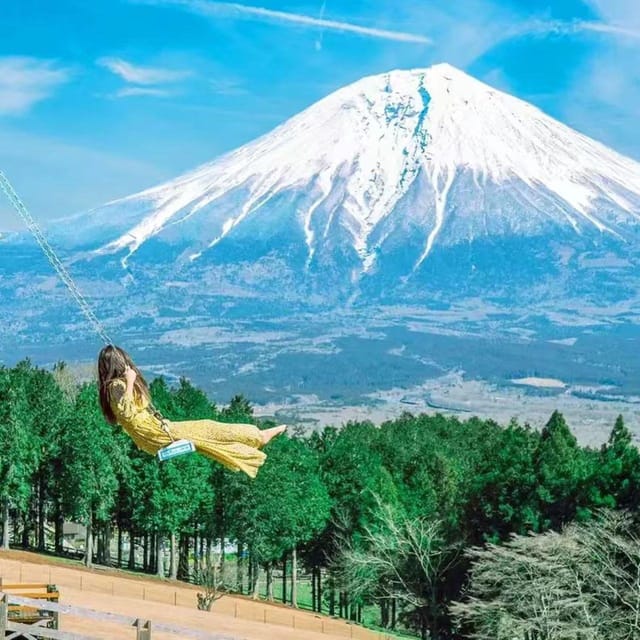
From April 26 through November 30, the morning heads toward Mt. Fuji’s fifth station. This is the highest planned access point on the mountain for this experience, and it gives you a close look at Japan’s best-known peak along with wide views from the foothills.
Mt. Fuji is famously dependent on weather. A cloudy day can hide much of the cone, so you should treat the visit as a chance to see the mountain rather than a promise of a perfect photograph. Road and weather conditions can also lead the guide to change the order or replace a stop.
Winter brings a different plan. From December 1 through April 25, the tour visits Nishinomiya-yama Shinshu Park instead. The park offers views and seasonal foliage, but it is not the same experience as reaching Fuji’s fifth station. If the mountain itself is your main reason for booking, check the operating season before you reserve.
This seasonal switch is practical, but it is also one of the tour’s biggest uncertainties. The published route is not fixed in the way a museum visit is fixed. You need to be comfortable with a weather-sensitive day.
Owakudani and the sulfur vents of Hakone
Owakudani gives the first day some drama. The valley formed after the eruption of Mount Hakone more than 3,000 years ago, and volcanic fumes still rise from active sulfur vents and hot springs.
The famous local snack is an egg boiled in the hot spring water. A chemical reaction turns the shell black, making it an easy, memorable purchase. It is a small stop, but it helps you see that this is not just a scenic viewpoint. The ground beneath Hakone is still geologically active.
You should also keep in mind that Owakudani is an outdoor volcanic site, not a quiet walk through a garden. The fumes and conditions may affect how long you stay. The tour description does not promise a specific length of time here, so plan to follow the guide’s instructions.
Cable car fees are not included. If a cable car forms part of the day’s available options, you will need to pay separately. One important warning comes from the mixed experience described by a past participant: an optional cable car ride was not offered after the route changed. If that ride matters to you, ask about it early rather than assuming it will happen.
Lake Ashi, framed by Mount Hakone
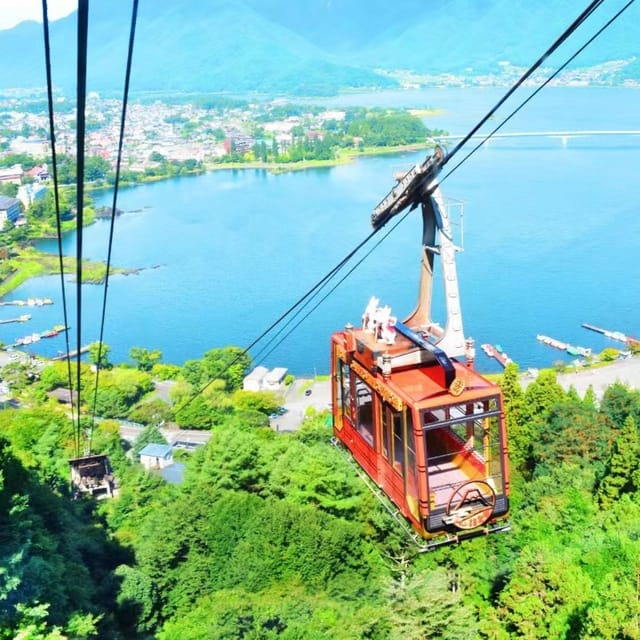
Lake Ashi is a caldera lake formed by volcanic activity from Mount Hakone. Its water, surrounding mountains, and changing views provide a calmer contrast to Owakudani’s fumes.
The tour includes a Lake Ashi cruise in its overall plan, but admission tickets are listed as extra. Confirm what is operating and what you will pay before boarding. The lake is weather-sensitive too, and clouds can soften or hide the mountain views.
I like this pairing of Owakudani and Lake Ashi. One stop shows Japan’s volcanic power close up, while the other gives you open water and mountain scenery. Together, they make Hakone feel like more than a photo stop.
Still, the day is not leisurely. Mt. Fuji, Owakudani, Lake Ashi, and Izu are spread across a large area. Delays on the road can reduce time at later stops, especially when weather forces a change.
More Hot Springs and Thermal Baths in Tokyo:
- From Tokyo: Private Tour to Fuji/Hakone – Onsen, Art, Nature
★ 5.0 · 116 reviews - Mt. Fuji, Hakone Private Tour from Tokyo – Onsen, Arts and Nature
★ 5.0 · 79 reviews - Tokyo: Mt Takao Tour with Ramen and Tattoo-Okay Hot Spring
★ 5.0 · 69 reviews - [Seasonal Limited] Mt. Fuji 5th Station &Hot Spring Day Tour
★ 4.5 · 53 reviews
Shuzenji Onsen and a traditional Japanese dinner
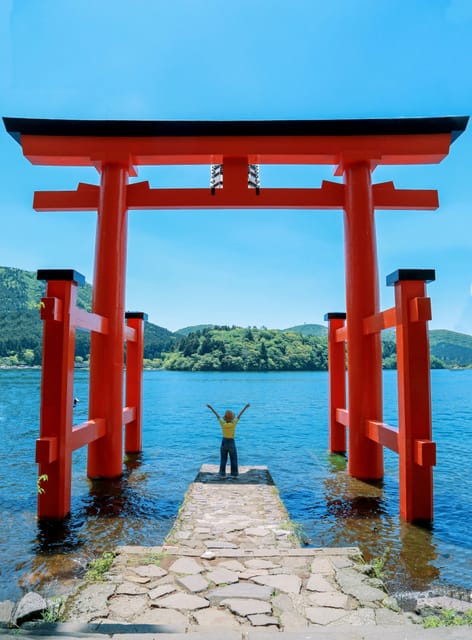
The overnight stay at Izu Shuzenji Onsen is the part that makes this more than a long sightseeing transfer. After the first day’s driving, you can use the hotel’s hot spring and settle in for a kaiseki dinner featuring local flavors.
Kaiseki is served as a series of carefully prepared dishes rather than one large plate. The meal is a useful introduction to Japanese dining, especially if you have not stayed at a traditional hot spring property before. In this package, the dinner is included, which helps justify the price.
The hotel itself may be basic. One detailed account described the room and facilities as simple, while the dinner was considered good and the onsen acceptable. Breakfast may be Japanese-style when the group is small, or buffet-style when the group is larger. One past experience found the breakfast disappointing, so you should book this for the hot spring setting and meal concept, not for a luxury resort.
You will need to follow the usual onsen customs explained by the hotel. The supplied details do not specify private baths or room features, so do not assume either. The important inclusion is access to the hot spring, one night, dinner, and breakfast.
A quiet morning along Shuzenji Onsen Street
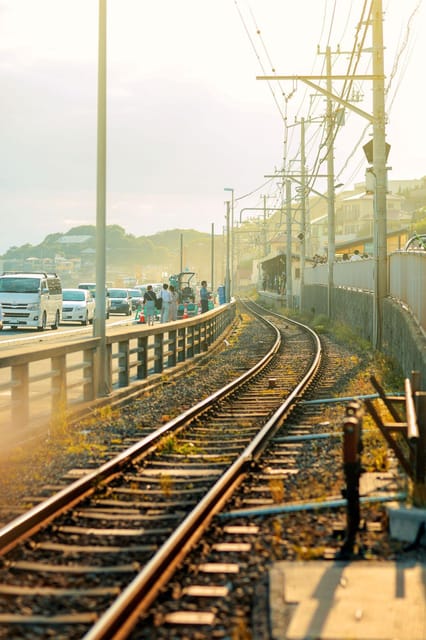
Day two begins with a walk along Shuzenji Onsen Street. The street has been awarded two Michelin stars, and its appeal is its old-Japan atmosphere rather than a single blockbuster sight.
This is a good place to slow down after the first day. You can take in the traditional setting, listen to the surrounding nature, and see why Shuzenji is known as a destination in its own right. The walk is also one of the few parts of the experience that does not seem built around rushing from one major attraction to another.
The exact amount of free time is not provided, so do not expect an extended independent morning. The guide controls the schedule, and the group must continue toward Mt. Omuro.
Mt. Omuro and the cost of optional access
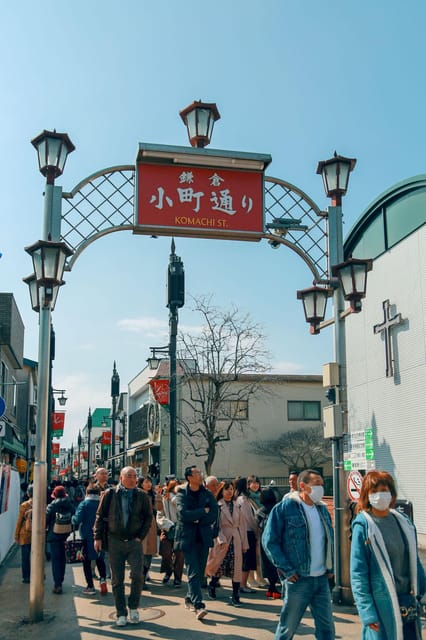
Mt. Omuro is a distinctive peak with broad views and a walking opportunity. The plan describes a hike, but cable car or lift costs are not included. Admission charges in general are also separate.
This is one of the stops where the extra-cost policy matters. At $295, the package covers the main transport and overnight services, but your final bill will rise if you add cable cars, attraction tickets, lunch, and drinks.
Lunch is on your own. That gives you some choice, but the schedule may limit how much time you have to compare restaurants. Carrying some yen is sensible because the tour does not include meals or drinks during the sightseeing portions.
Mt. Omuro also shows the tour’s strength and weakness at once. You get a less common scenic stop than the usual Tokyo day-trip circuit, but you may have little control over how long you walk or which paid access options are available.
Enoshima’s coast and the Sea Candle
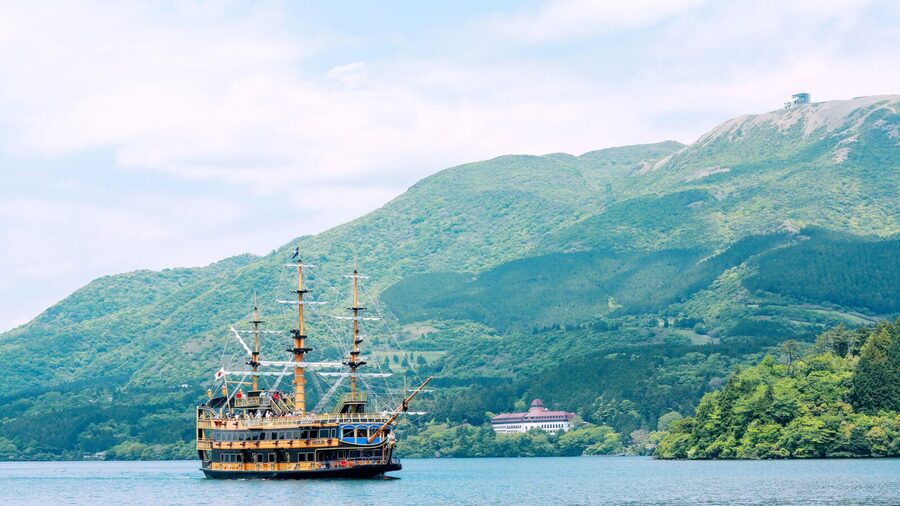
Enoshima Island brings a completely different setting. After mountains, volcanoes, and hot springs, you reach a coastal place known for its views and the Enoshima Sea Candle.
The Sea Candle is an obvious photo point, and the island gives you a chance to experience a seaside side of the Tokyo region. The tour description does not promise admission to the Sea Candle, so check the cost of any attraction before entering.
Enoshima can be enjoyable simply as a change of pace. You are no longer looking for a distant mountain or standing beside volcanic vents. Instead, you have coastal scenery, island streets, and a landmark tower. The challenge is timing. With Kamakura still ahead, this will be a compact visit rather than a full island exploration.
Kamakura, Enoden, and a potentially shortened finish
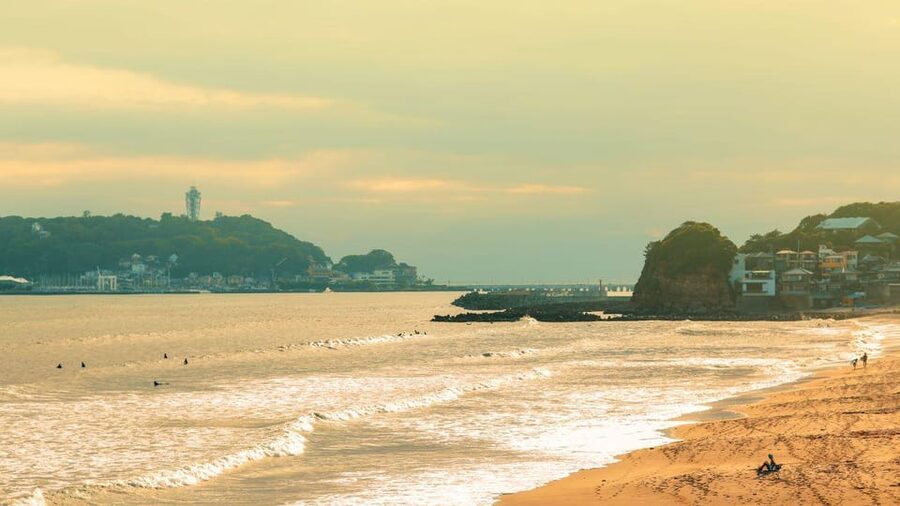
Kamakura is the historical anchor of the second day. Its temples, Zen gardens, beach, and old streets offer a strong contrast to the natural sights earlier in the trip.
The Enoshima Electric Railway fare is included. Riding Enoden is a pleasant detail because the line connects the coastal area with Kamakura in a way that feels more local than staying in the tour vehicle all day. The route also includes Kamakura High School, known to many people through anime and manga.
The plan is less clear about other Kamakura sights. The famous Great Buddha is not specifically included, and a past participant reported that there was no Kamakura stop at all after weather-related changes. If seeing the Buddha is essential, this tour does not give you enough certainty. A separate Kamakura visit would offer more control.
This is also the point where fatigue may set in. You have already spent a full day on the road, slept at a hot spring hotel, and covered Mt. Omuro and Enoshima. Kamakura deserves time, but this tour treats it as the final piece of a large route.
Guides, vehicles, and the human factor
Your guide and driver matter a lot here. The package includes a driver-tour guide, air-conditioned transport, and pickup and drop-off in a designated area. You receive the meeting point, departure time, guide details, and vehicle information by email before departure, and you should arrive 10 minutes early.
One guide named Wan received especially strong praise for careful driving, kindness, and helpful support. That is important on a trip with mountain roads, changing weather, and long transfers.
The English service may be less dependable with another guide. Jason was described as polite but unable to explain the sights well in English. Another account said the driver spoke only Chinese and gave no explanation even after the route changed. The guide may still get you from place to place, but the cultural and historical side of the trip can suffer.
Vehicle comfort is another practical concern. The bus was described as basic and somewhat uncomfortable for a two-day trip with substantial road time. You should pack lightly, since each person is limited to one piece of luggage and the operator asks you to report infants or luggage needs in advance.
Who will get the most from this $295 tour?
I would consider this tour if you want a broad sampler and prefer one organized booking to several complex connections. It suits you if you want Mt. Fuji, Hakone, Izu, Enoshima, and Kamakura in one trip, and if the onsen night sounds more appealing than returning to Tokyo after a long day.
The price has reasonable value when you count the hotel, hot spring, kaiseki dinner, breakfast, transport, guide, and Enoden fare. It is less attractive if you plan to skip paid attractions, do not care about the onsen, or want a detailed guided explanation at every stop.
It is not the best choice for a traveler who needs a firm schedule. Weather can change the route, the fifth station is seasonal, and key parts of Kamakura may be shortened or missed. A one-day tour with a strong guide may be a better fit if you only want Mt. Fuji and Hakone.
The operator allows cancellation up to 24 hours before departure for a full refund, and you can reserve without paying immediately. Those policies reduce some booking risk, but they do not remove the practical risk of a changed route or uneven guide language.
Should you book this tour?
Book it if your priority is range: one night in Izu, an onsen, a Japanese dinner, Mt. Fuji, Hakone, Enoshima, and Kamakura. Ask before departure which language your guide will use, what admissions are planned, and whether the cable car and Lake Ashi cruise are operating.
Skip it if your top priorities are a guaranteed view of Mt. Fuji, a guaranteed Great Buddha visit, a polished hotel, or detailed historical commentary. The strongest parts are the route, the hot spring stay, and the chance of a capable guide such as Wan. The weak points are long road hours, simple transport, paid extras, and uncertainty when weather intervenes.
FAQ
How long is the Mt. Fuji, Kamakura, and Izu tour?
The experience lasts two days and returns to the meeting point in Tokyo at the end.
What languages are available?
Live guiding is listed in Chinese, English, and Japanese. The actual quality of explanation may vary by guide.
When does the tour visit Mt. Fuji’s fifth station?
The planned fifth station visit runs from April 26 through November 30. From December 1 through April 25, the route uses Nishinomiya-yama Shinshu Park instead.
Is accommodation included?
Yes. One night at an Izu Shuzenji Onsen hotel is included, along with onsen access, dinner, and breakfast.
Is the kaiseki dinner included?
Yes. The one-night package includes a kaiseki dinner featuring local flavors.
Are lunch and drinks included?
No. Lunch and drinks are not included. Lunch on the second day is also your own expense.
Are attraction and cable car tickets included?
No. Admission tickets and cable car fees are not included. The Enoshima Electric Railway fare is included.
Does the tour include the Enoden train?
Yes. The Enoshima Electric Railway fare is included in the package.
What happens if there are not enough people for the departure?
The tour requires at least two people. If that minimum is not reached, the operator will discuss another date or provide a full refund.
Freshly added soaks in Tokyo
- Japanese Head Onsen and Scalp Massage Retreat in Tokyo★ 4.5 · 2 reviews
- Tokyo Local Tattoo Friendly Public Bath Experience★ 5.0 · 4 reviews
- Mt. Fuji to Lake Kawaguchi, Lake Yamanaka and Onsen Day Tour★ 4.5 · 3 reviews
- Tattoo-friendly open-air Onsen & drink★ 5.0 · 25 reviews
- Mt. Fuji Tours to Lake Kawaguchi and Yamanaka Onsen English Guide★ 4.5 · 4 reviews
- Mt FUJI – Panoramic Tour w/ Hoto Lunch, JP Sake & Onsen tatto OK!★ 5.0 · 9 reviews
- Onsen Spa in Tokyo and Asakusa Bar Hopping with Local Guide★ 5.0 · 3 reviews
- Private Tour to Snow Monkey, Zenkoji Temple & Hot Springs Nagano★ 4.0 · 2 reviews
2-Day Experiences, compared.
Mt. Batur: 2 Day Camping Trip, Summit Hike, and Hot Springs
Read our review →
Private 2 Day Tour: Hobbiton, Waitomo, Rotorua Geothermal & Hamilton Gardens
Read our review →
2-Day Masai Village Camping Experience and Kikuletwa Hot Spring
Read our review →
Private 2-Day Tour: Mt Fuji Hakone & Kamakura + Onsen Ryokan
Read our review →More soaks worth the detour